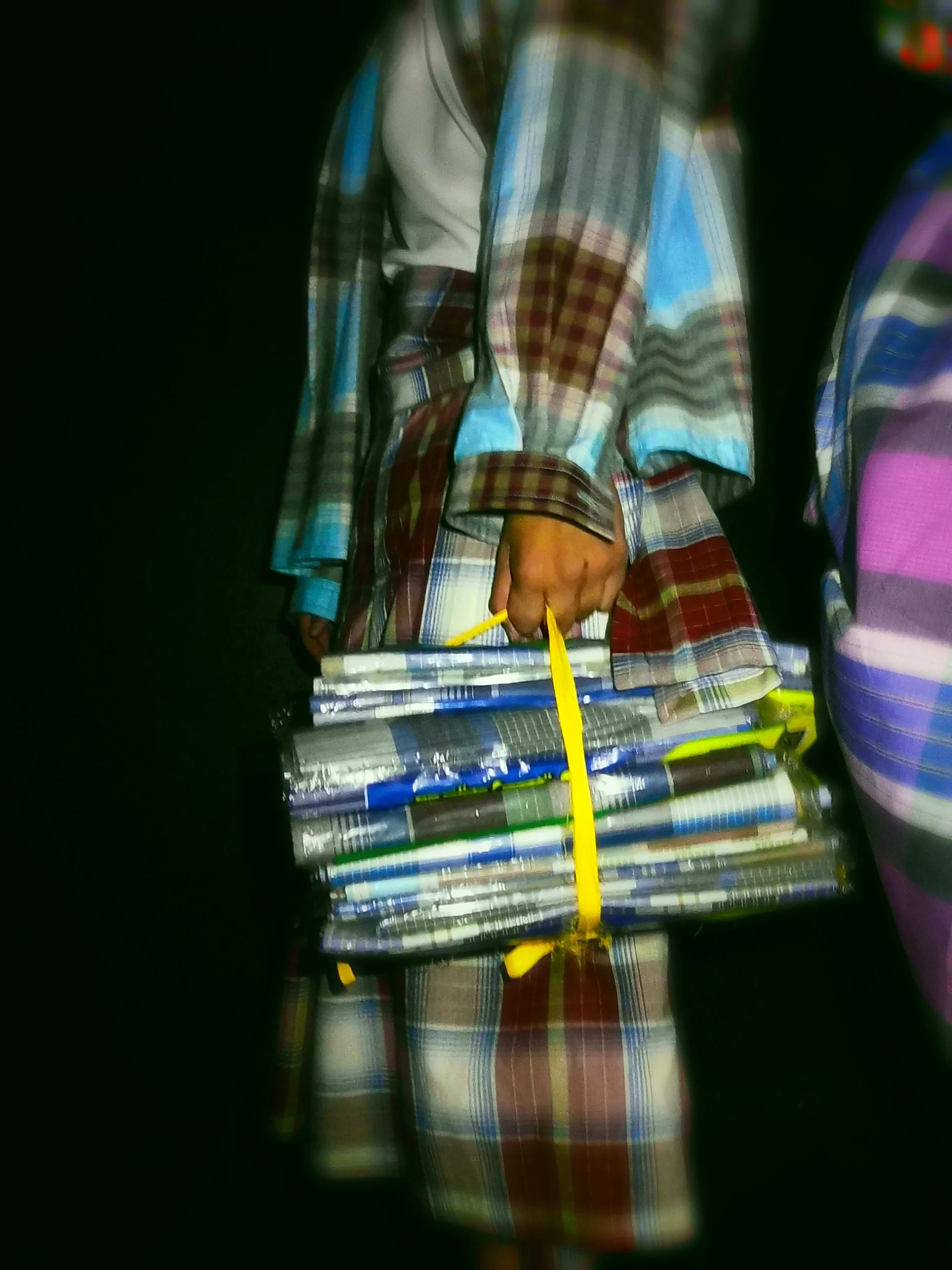
LUNGI
YOUR
WAY
How It Works:
01 - Choose Your Lungi
Browse the swatchbook to explore the available Lungi cloth. Each colourway is a one-off, with enough fabric for a single garment.
02 - Choose How To Wear It
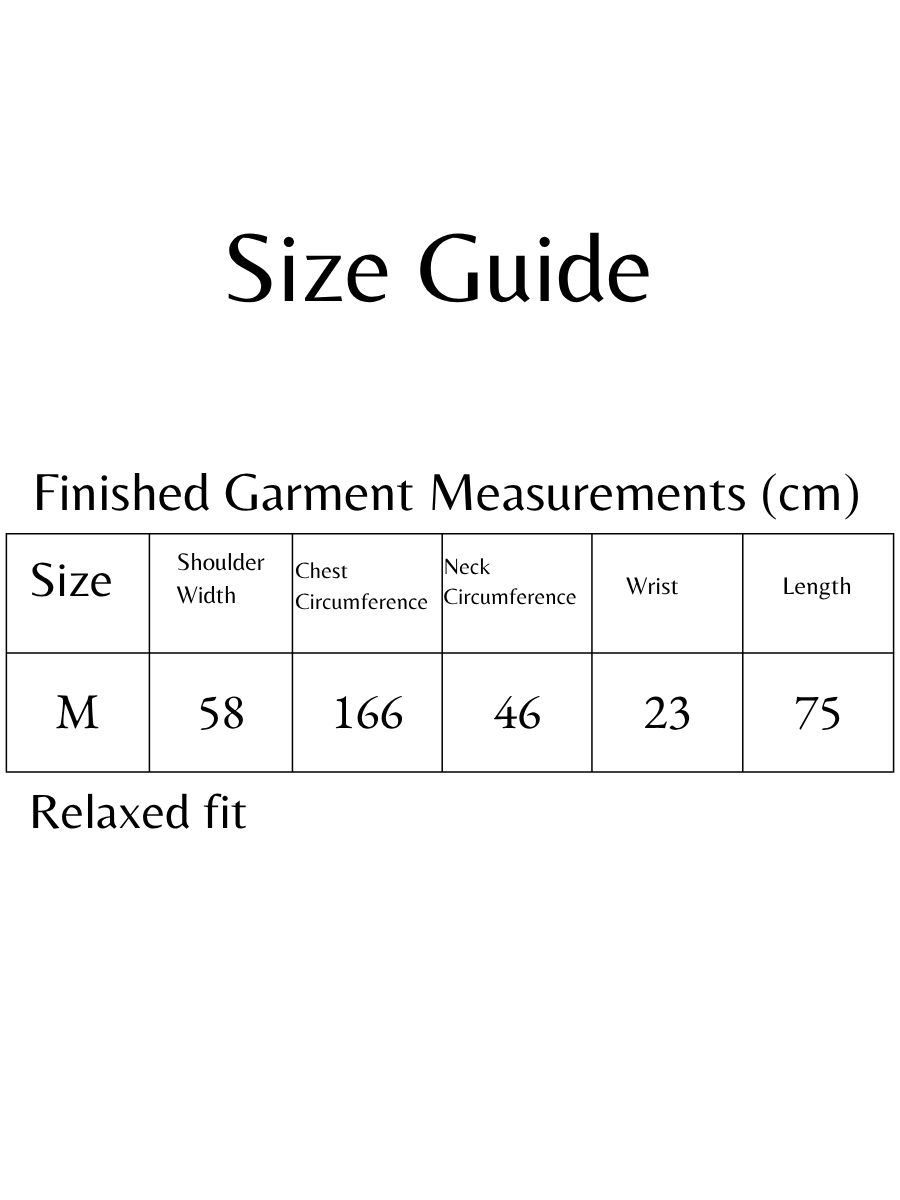
Explore made-to-order styles, view sizing options and choose the garment that suits you.
03 - Fill Out The Order Form
Complete the order form with your chosen colourway, style, size and details. All orders are subject to fabric availability and confirmation before making begins.
SWATCHBOOK - Batch 01
-
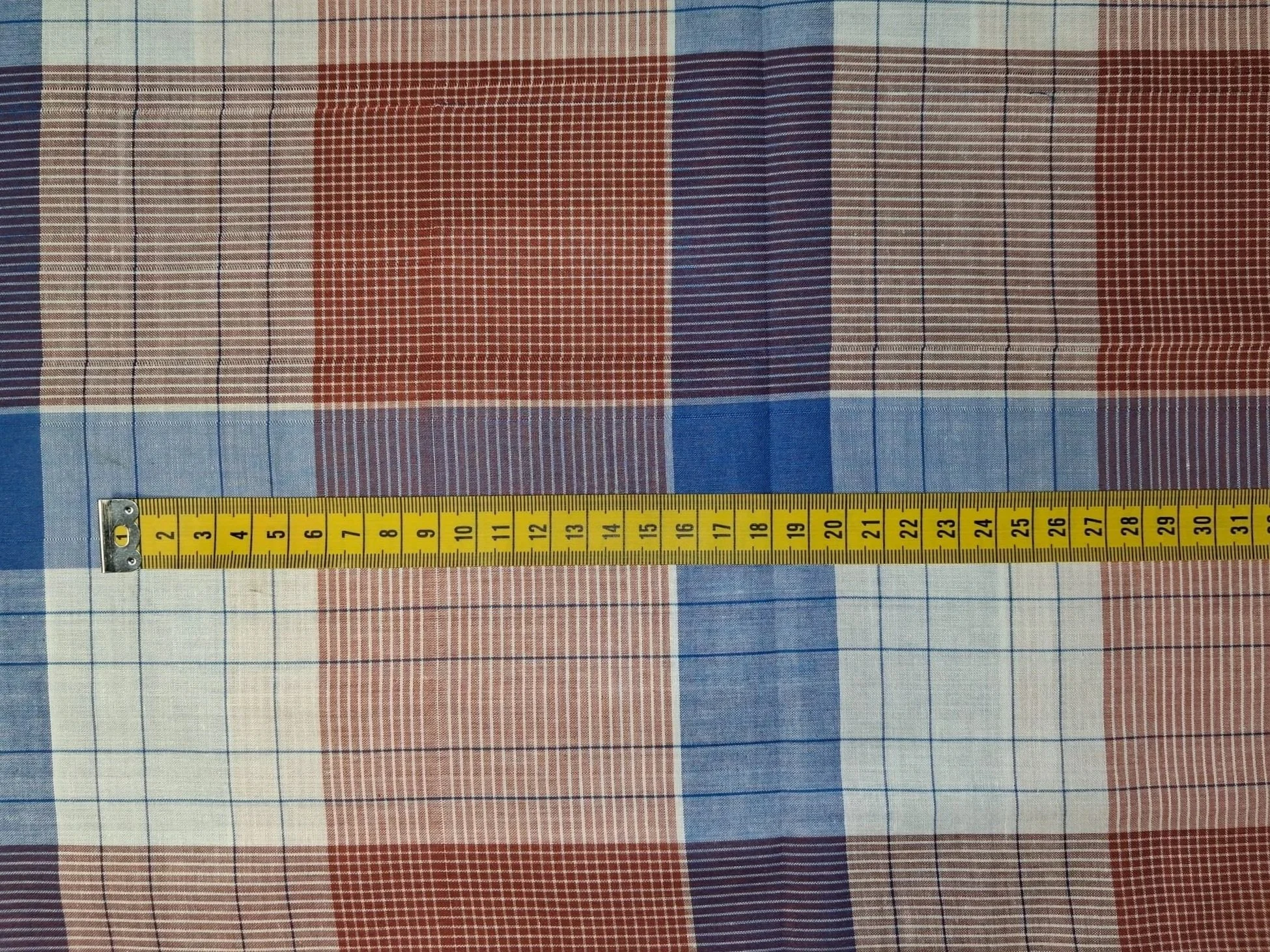
![Close-up of a fabric with red, blue, and white checkered pattern, and a yellow measuring tape laid across it with measurements in inches.]()
Crimson Red, White & Phthalo Blue
Shalimar Lungi - 100% Cotton
UNAVAILABLE - Found its wearer
-
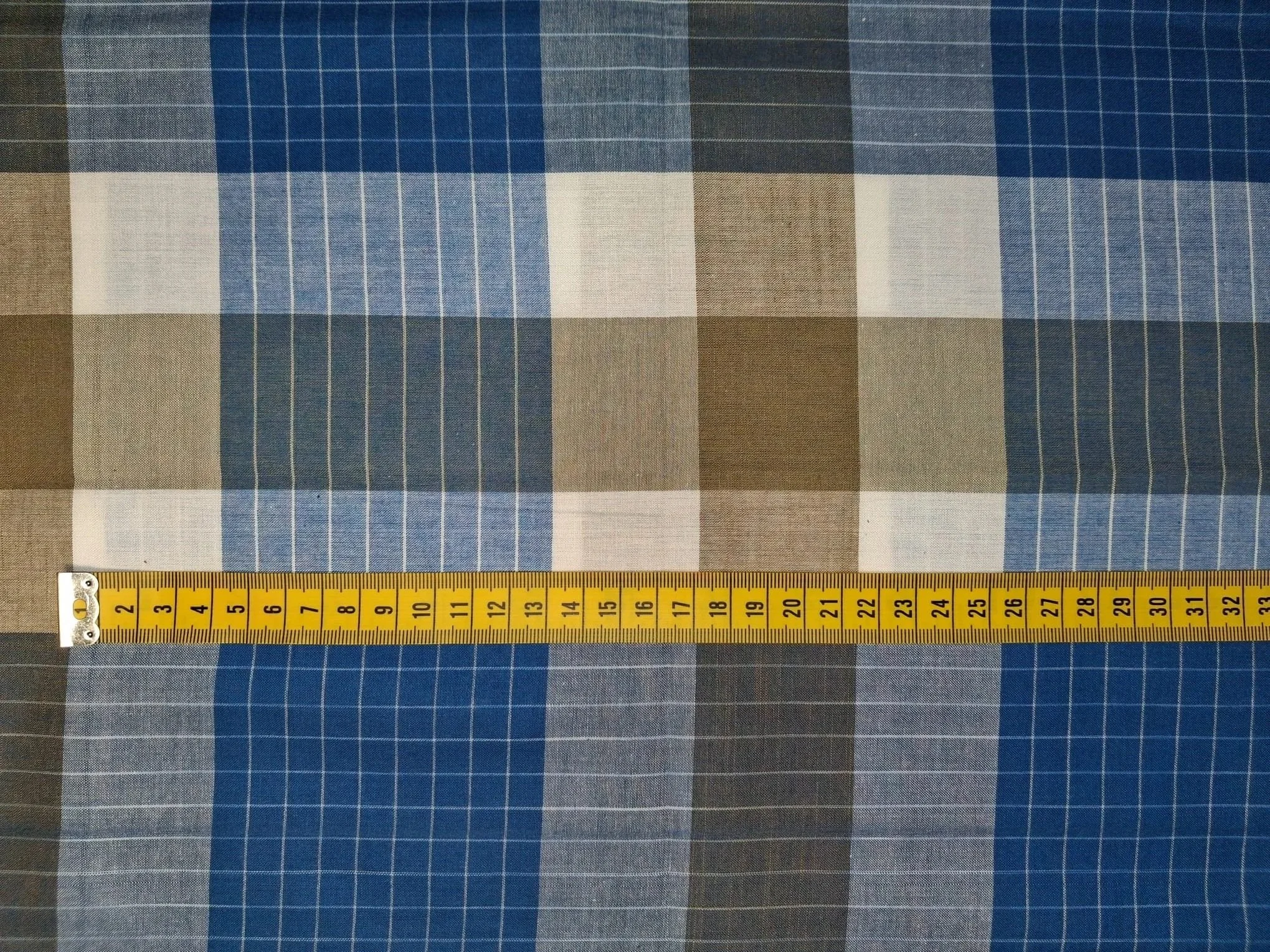
![Close-up photo of a fabric with a blue, beige, black, and white checkered pattern next to a yellow measuring tape showing measurements from 1 to 33 inches.]()
Royal Blue, White & Olive Brown
Shalimar Lungi -100% Cotton
Status: Available
-
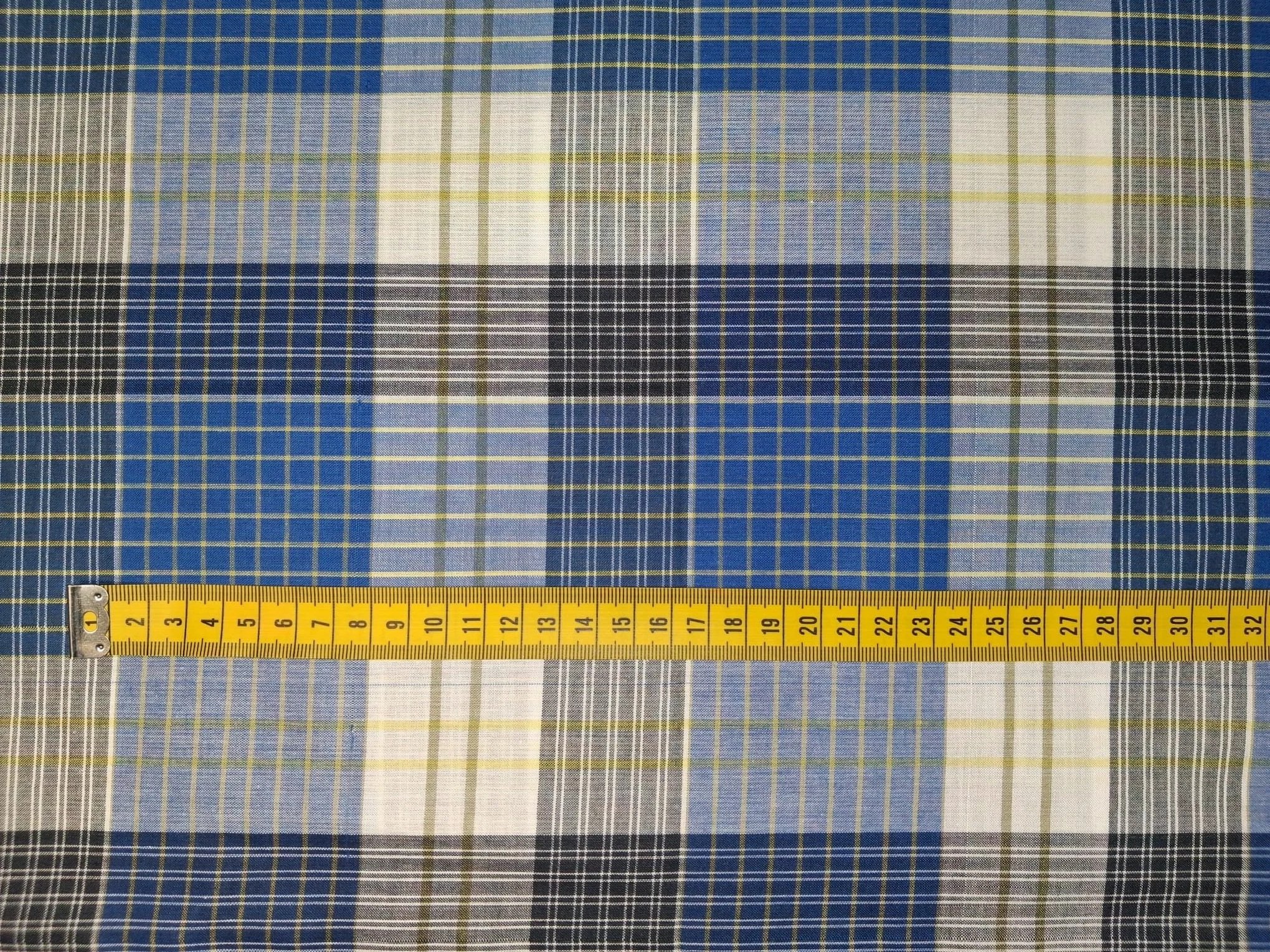
![Close-up of a fabric with a multi-colored plaid pattern in shades of blue, yellow, white, black, and gray, with a yellow measuring tape laid across.]()
White, Royal Blue & Yellow
Shalimar Lungi - 100% Cotton
Status: Available
-
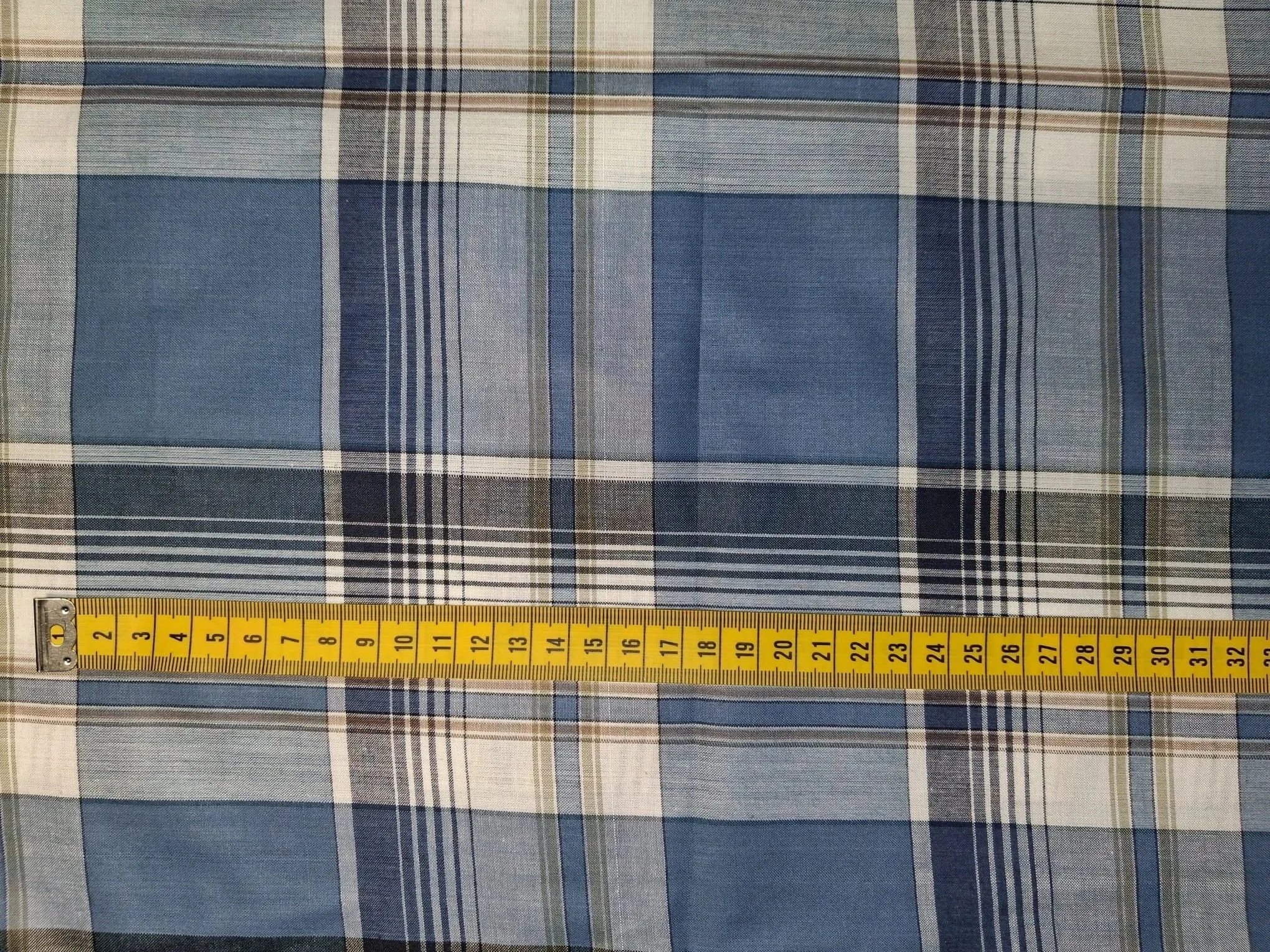
![Close-up of a fabric with a plaid pattern in blue, white, beige, and black, with a yellow measuring tape laid horizontally across the bottom edge.]()
Slate Blue & White
Shalimar Lungi- 100% cotton
Status: Available

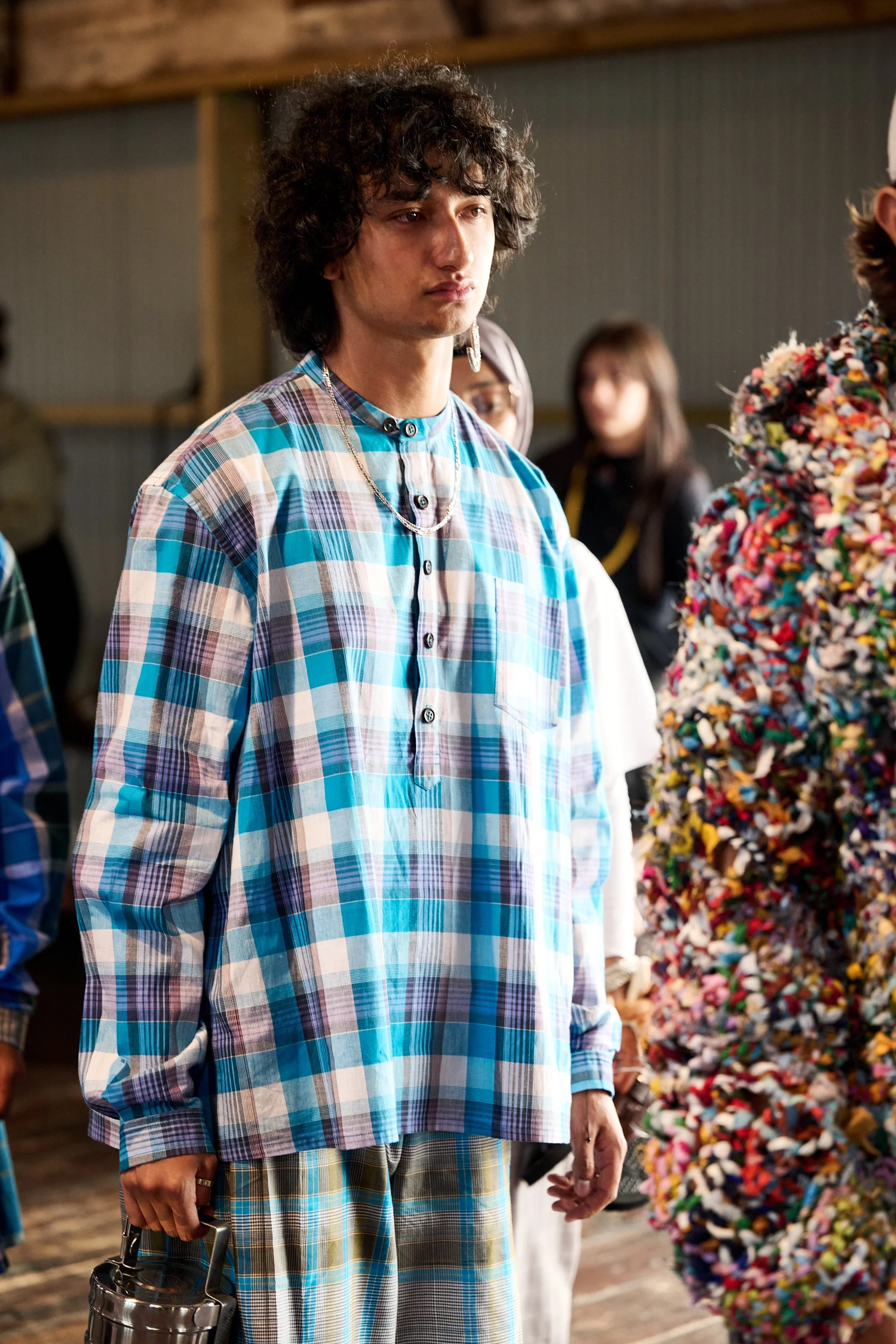
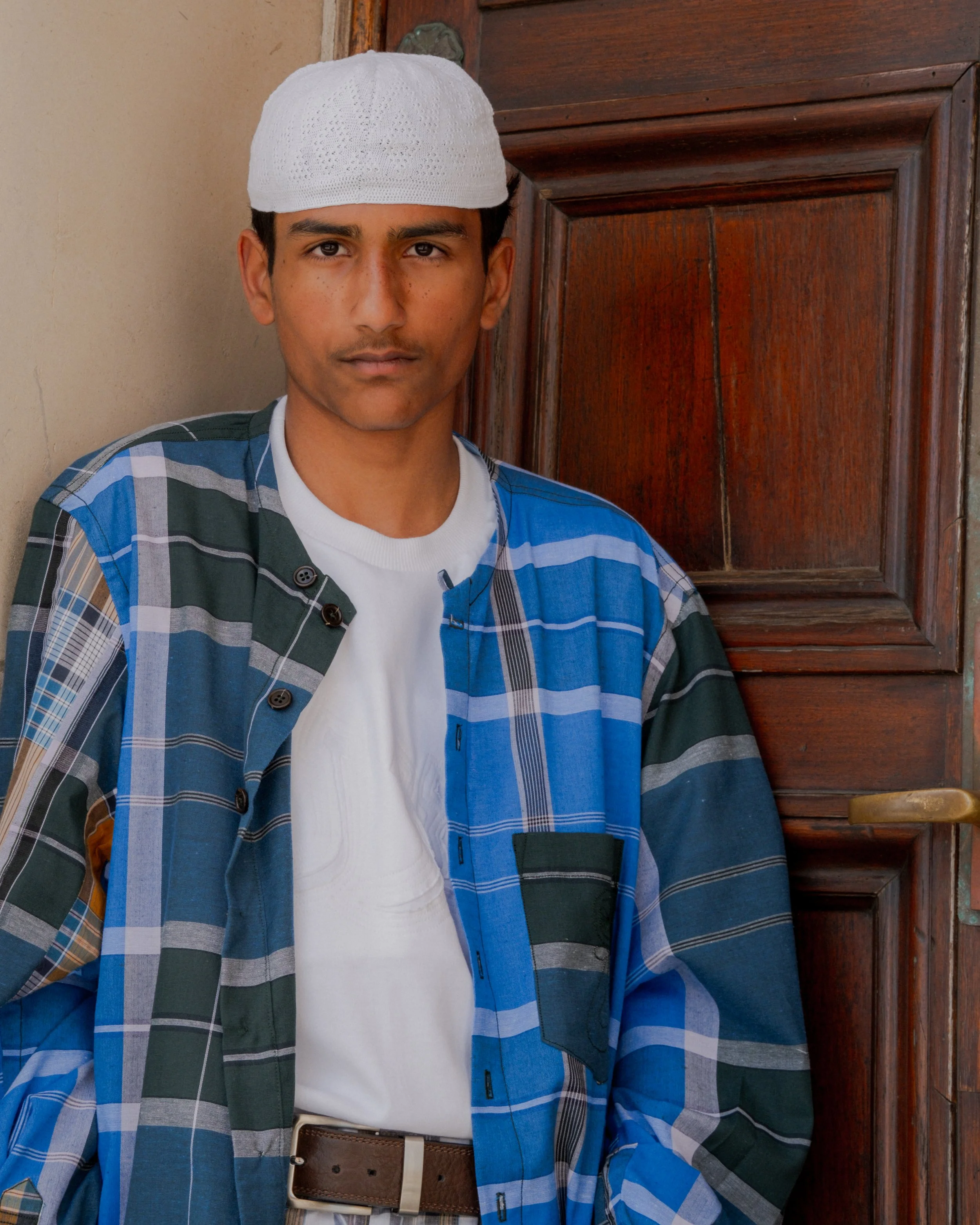
Style 01 - Bhai Ka Kameez
(Brothers Shirt)
$525 NZD
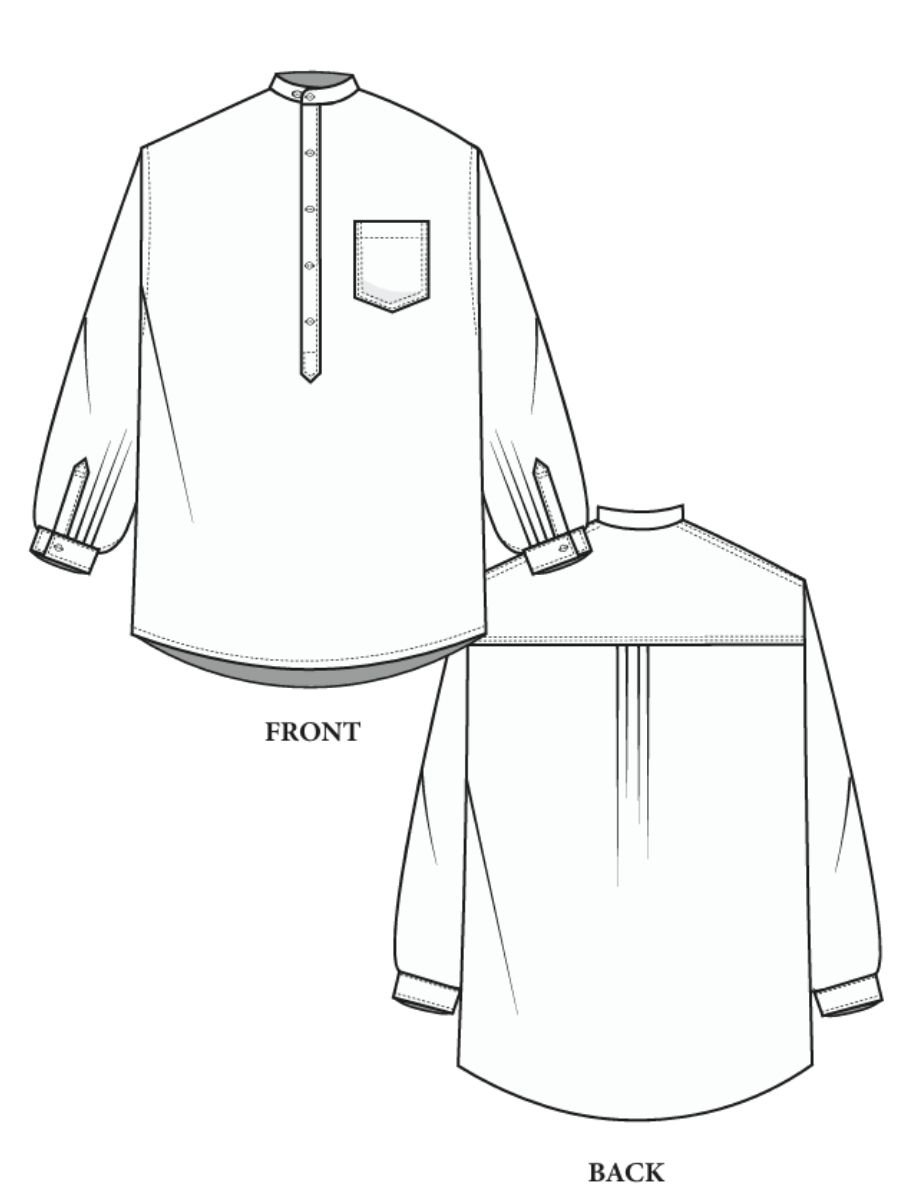
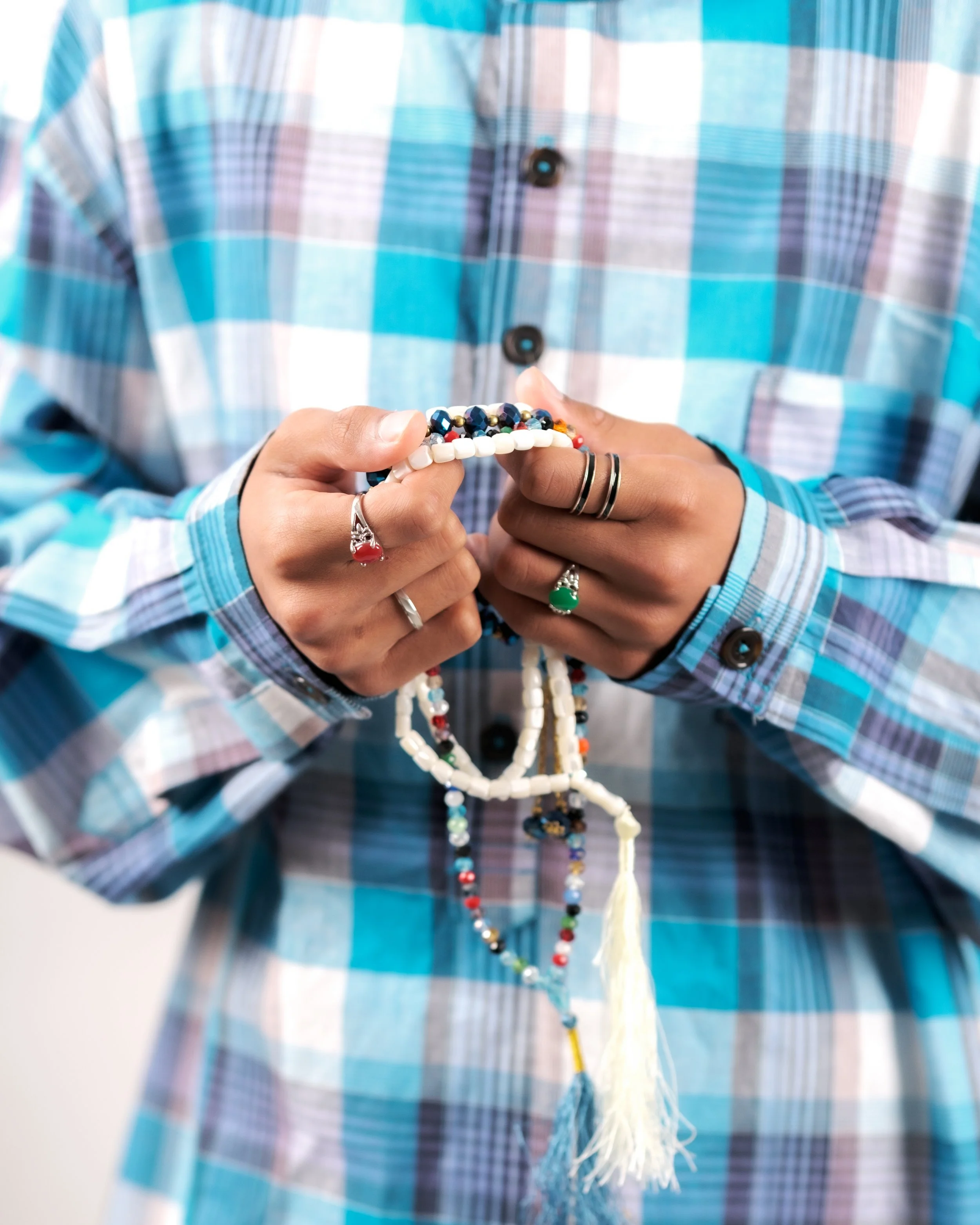
Relaxed shirt with button placket front, band collar and back pleating. Inspired by traditonal ‘Kameez’ detailing.
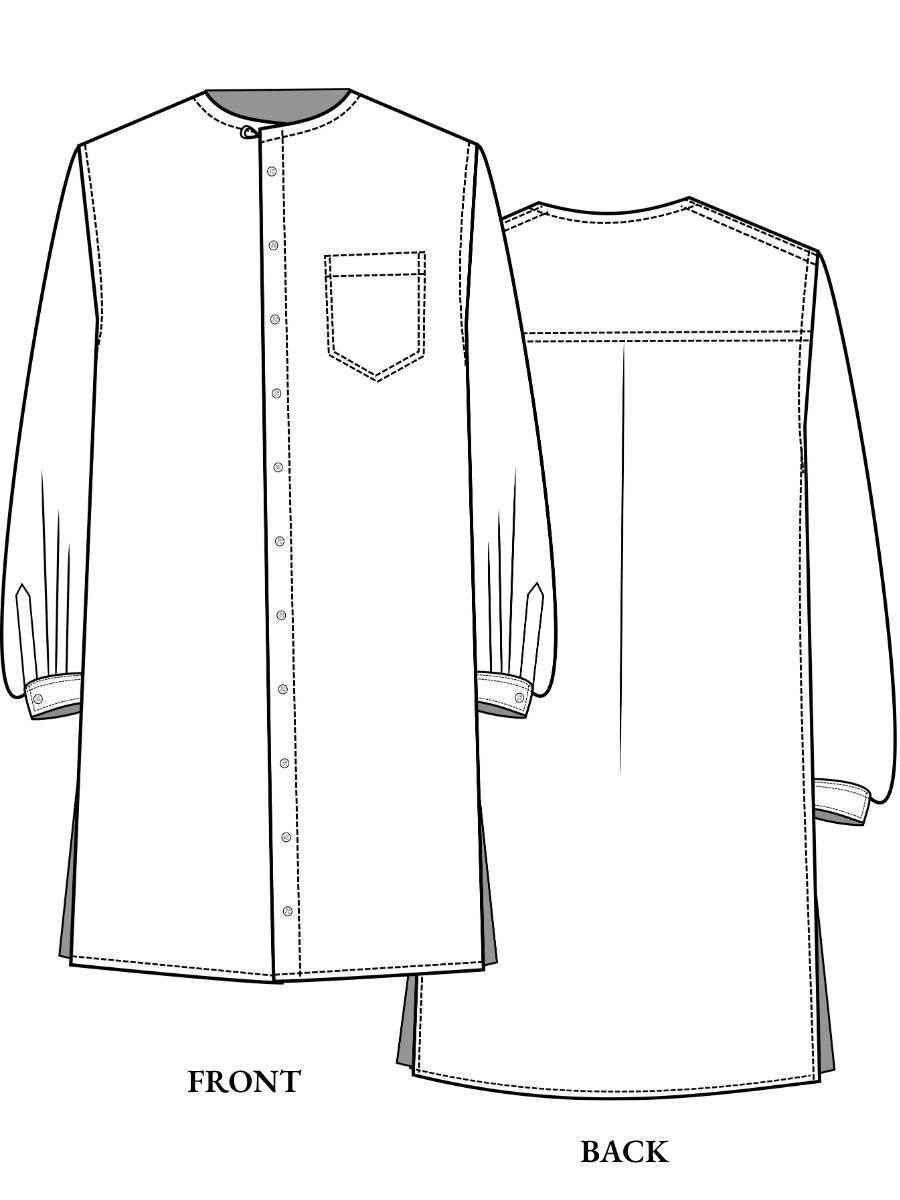
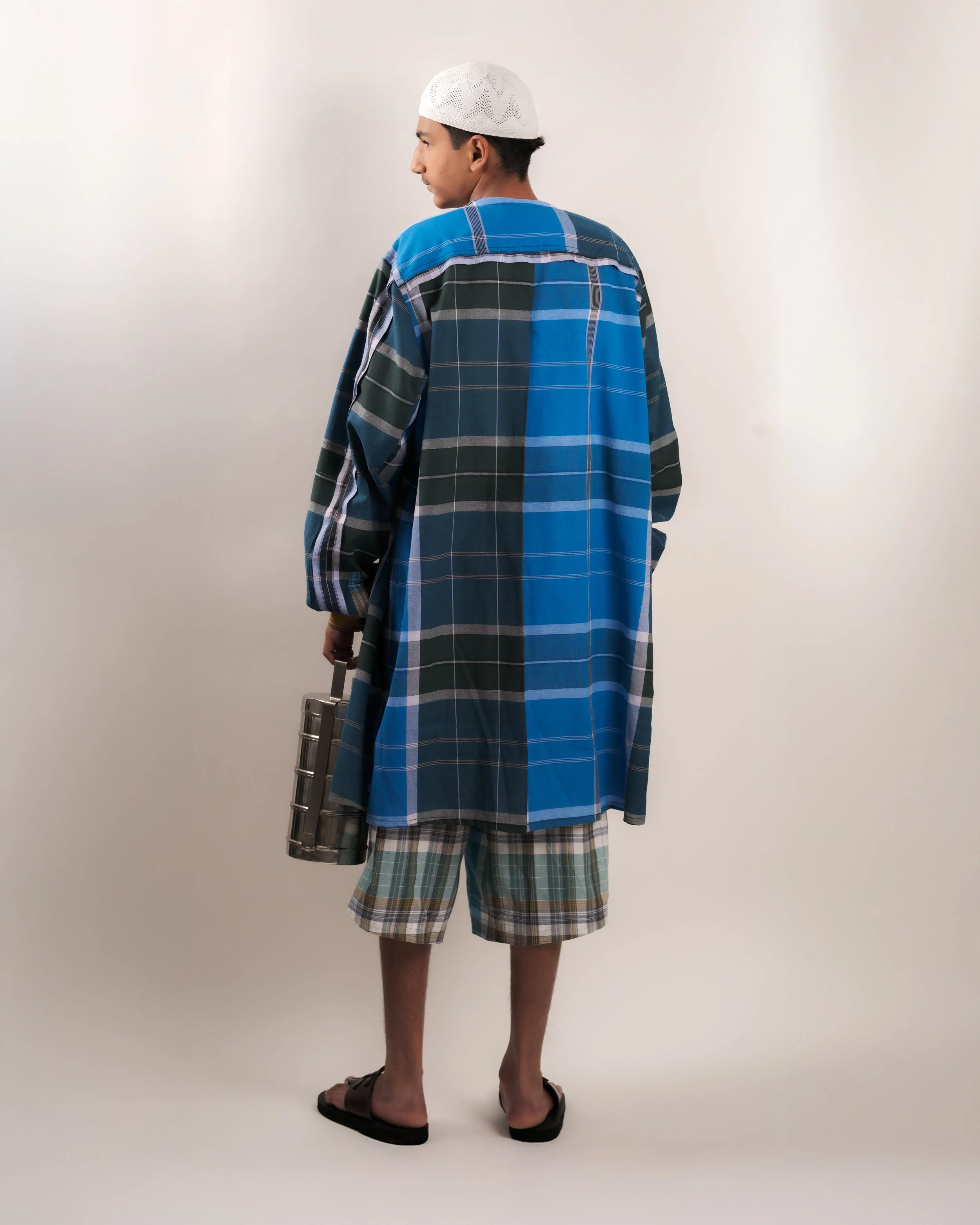
Style 02 - Gaanv Ka Kurta
(Village Tunic)
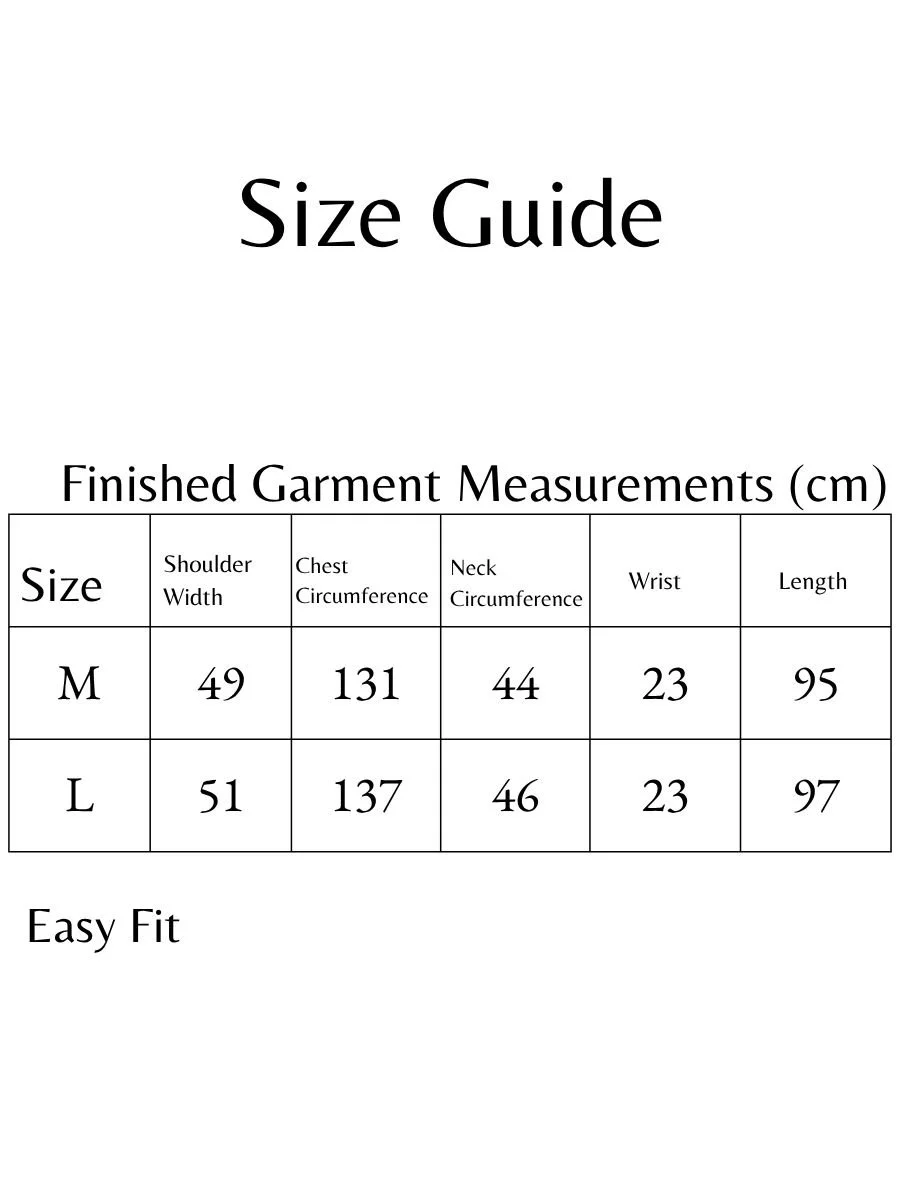
$535 NZD
Easy fitting tunic with button up front and bias bound neckline. Designed with recognition of the hard working villages that have carried this silhouette for generations.
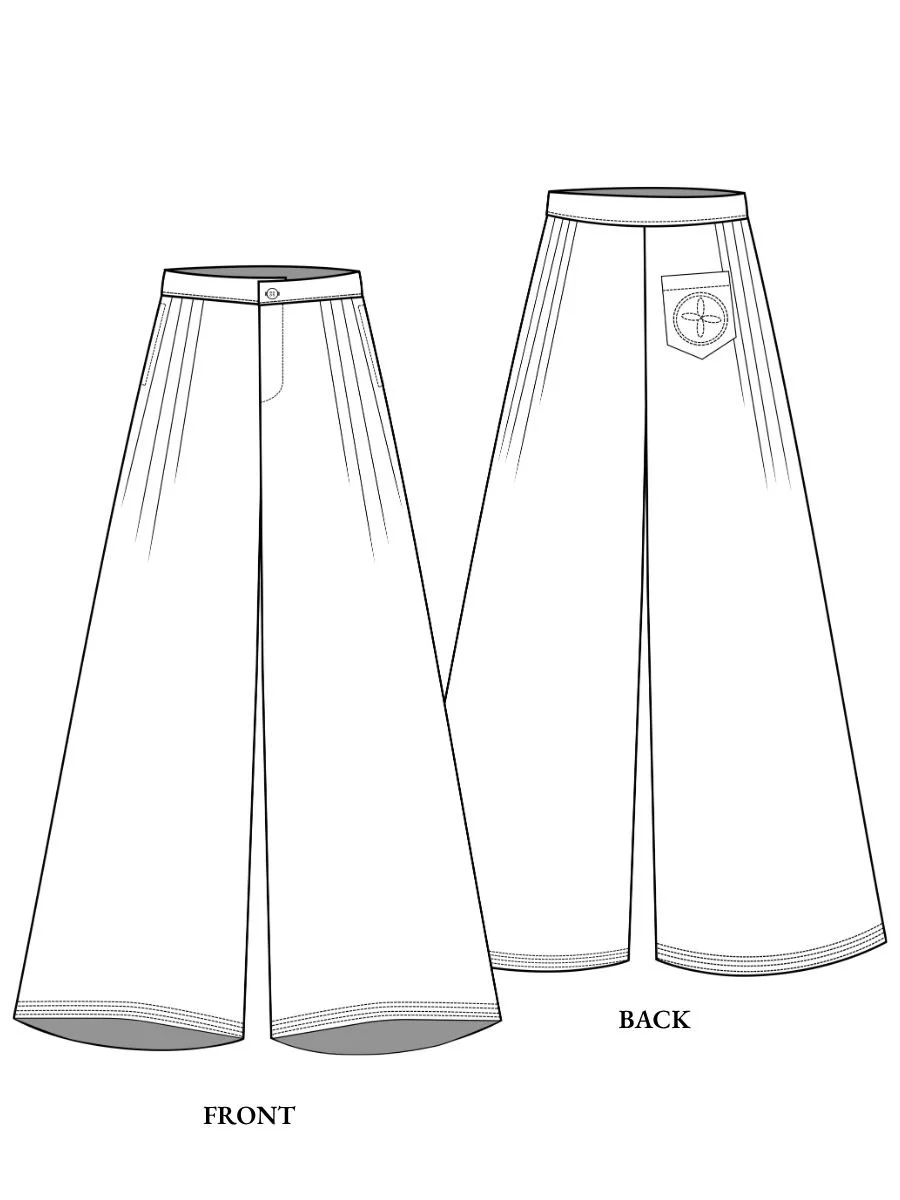
Style 03-Papa Ka Shalwar
(Fathers Trouser)
$ 575 NZD
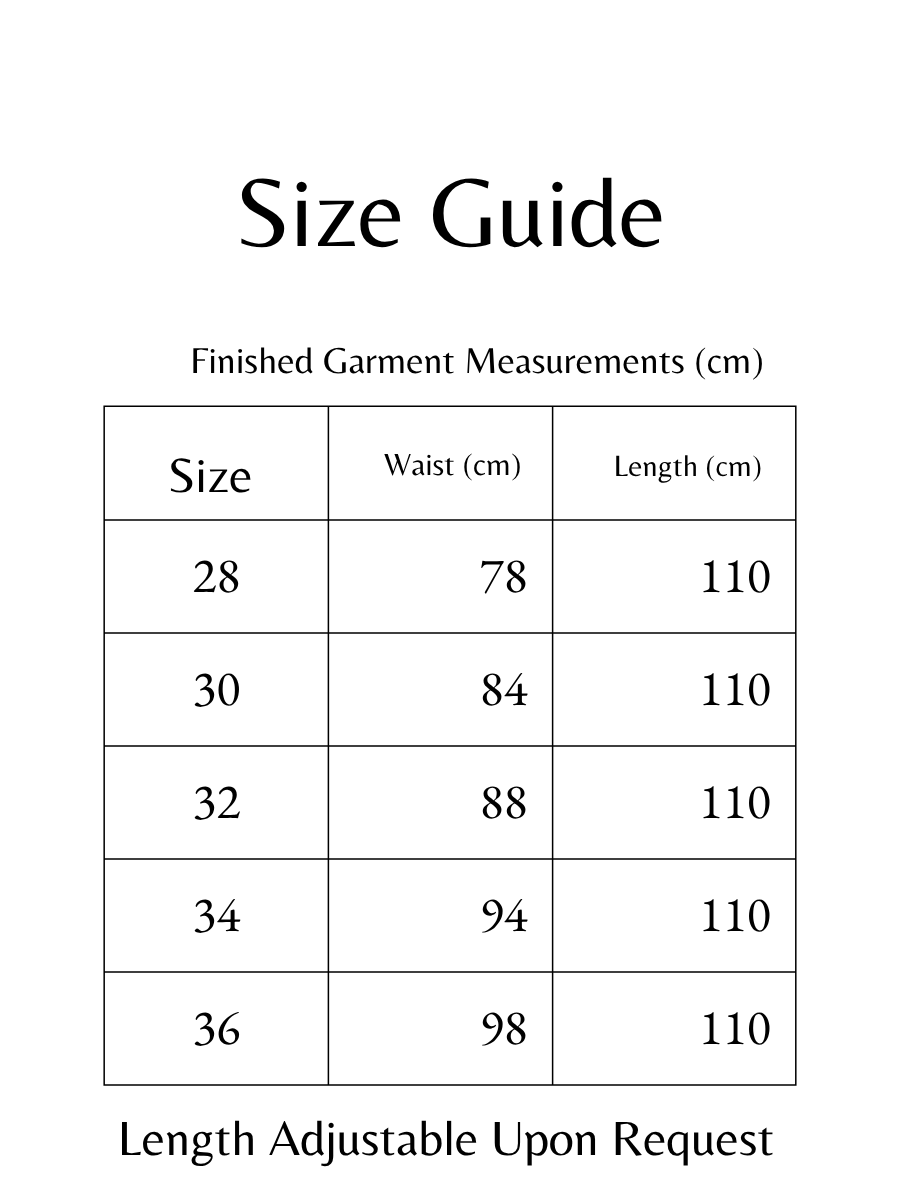
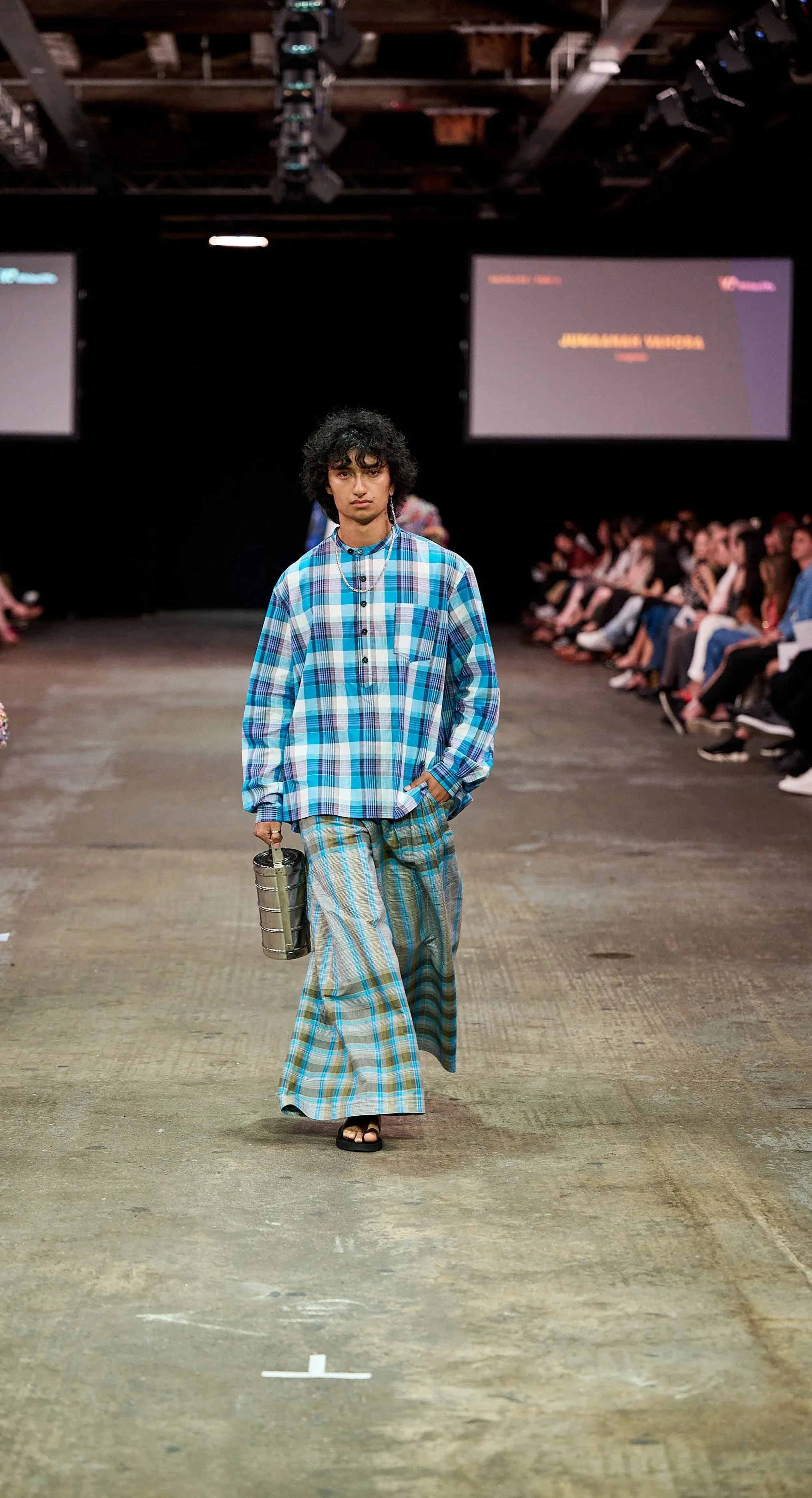
Wide leg trousers with pleated waistline, side pockets and hem detailing. Inspired by traditional Shalwar (trousers) found in my fathers wardrobe.
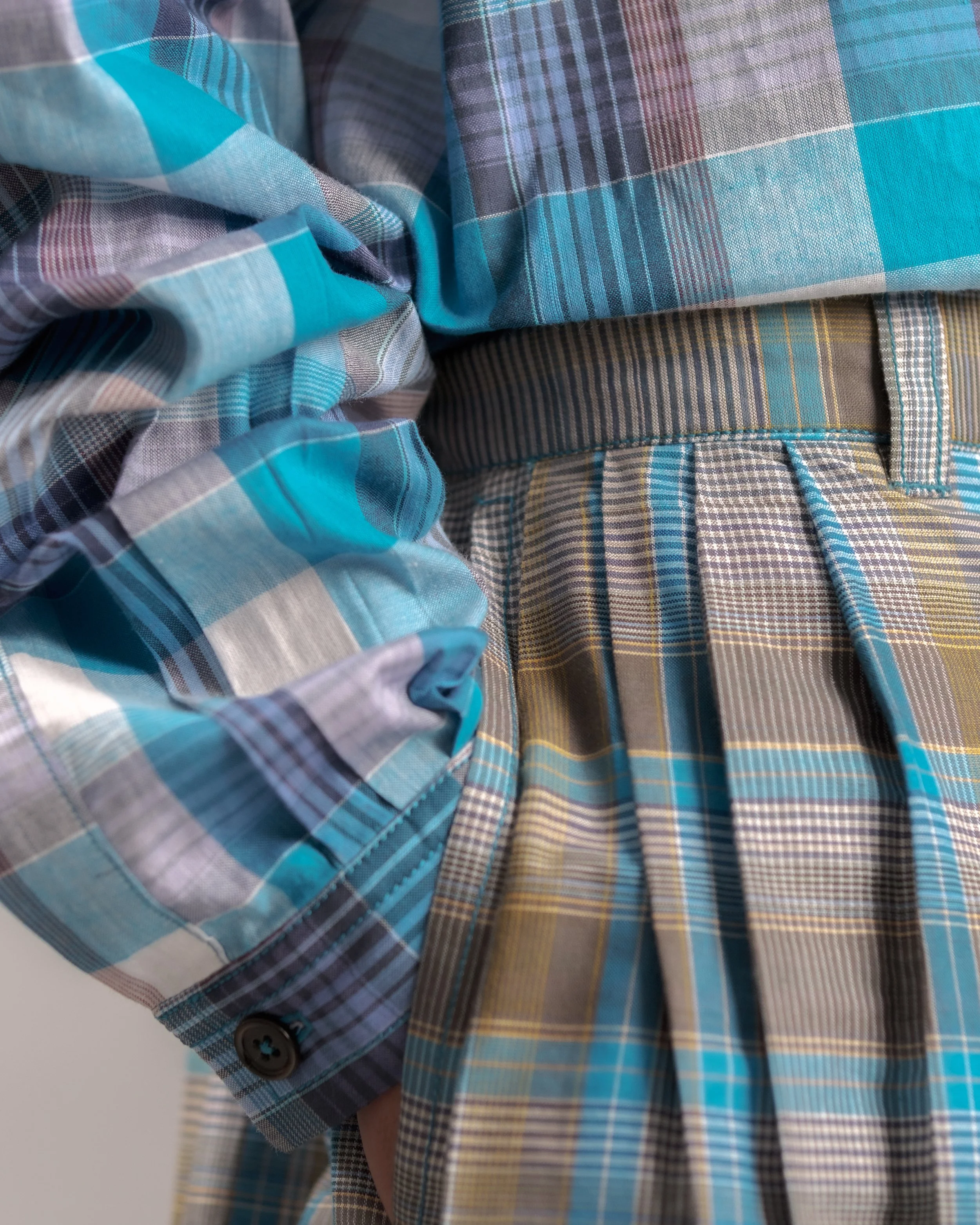
Order Form
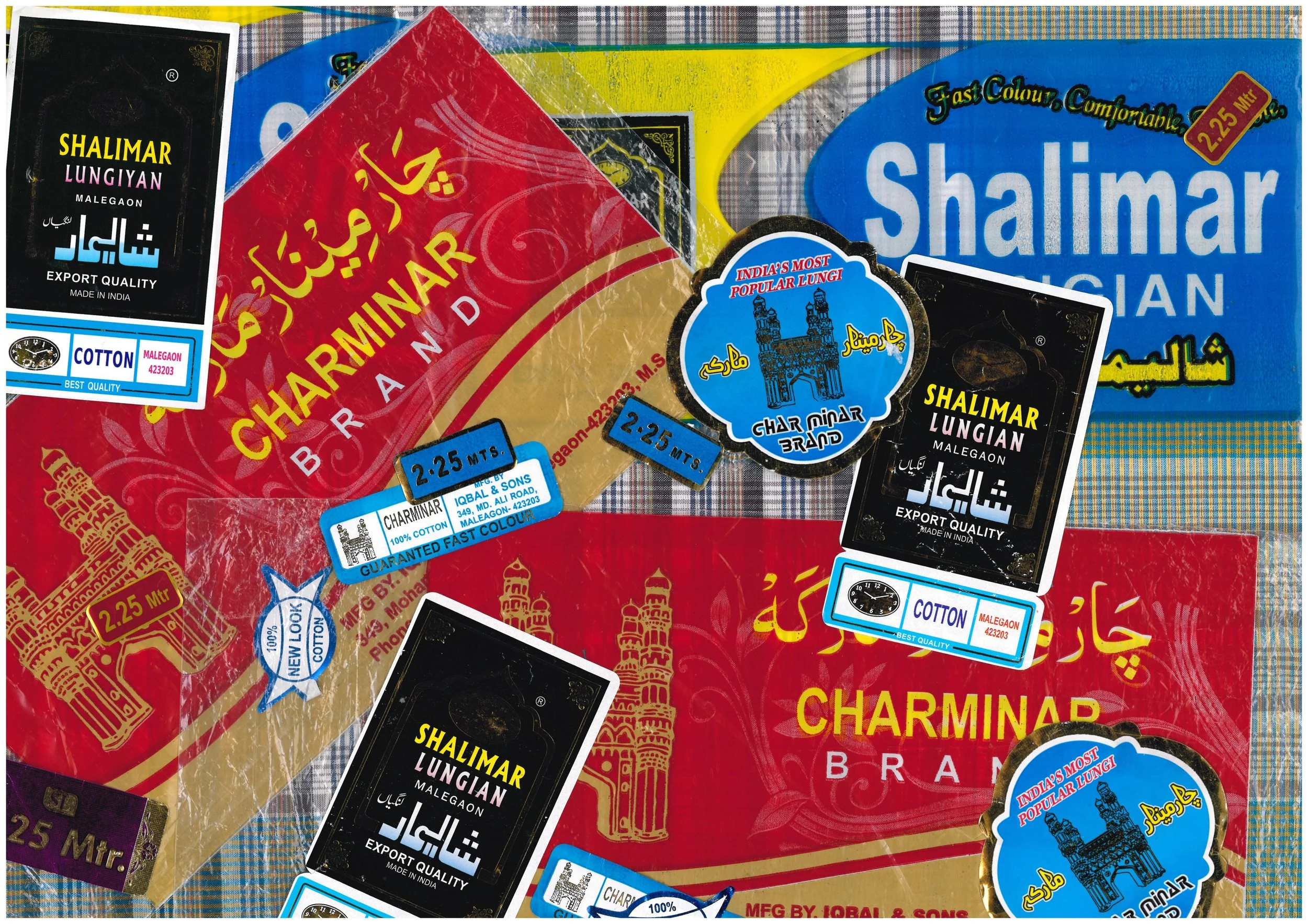
Traceability & Transparency
These factories are often run by small business owners. The cotton fibres are soruced locally, yarn dyed, spun and woven in small scale factory units where the process of producing a lungi is also found to use less water than other cotton fabrics.
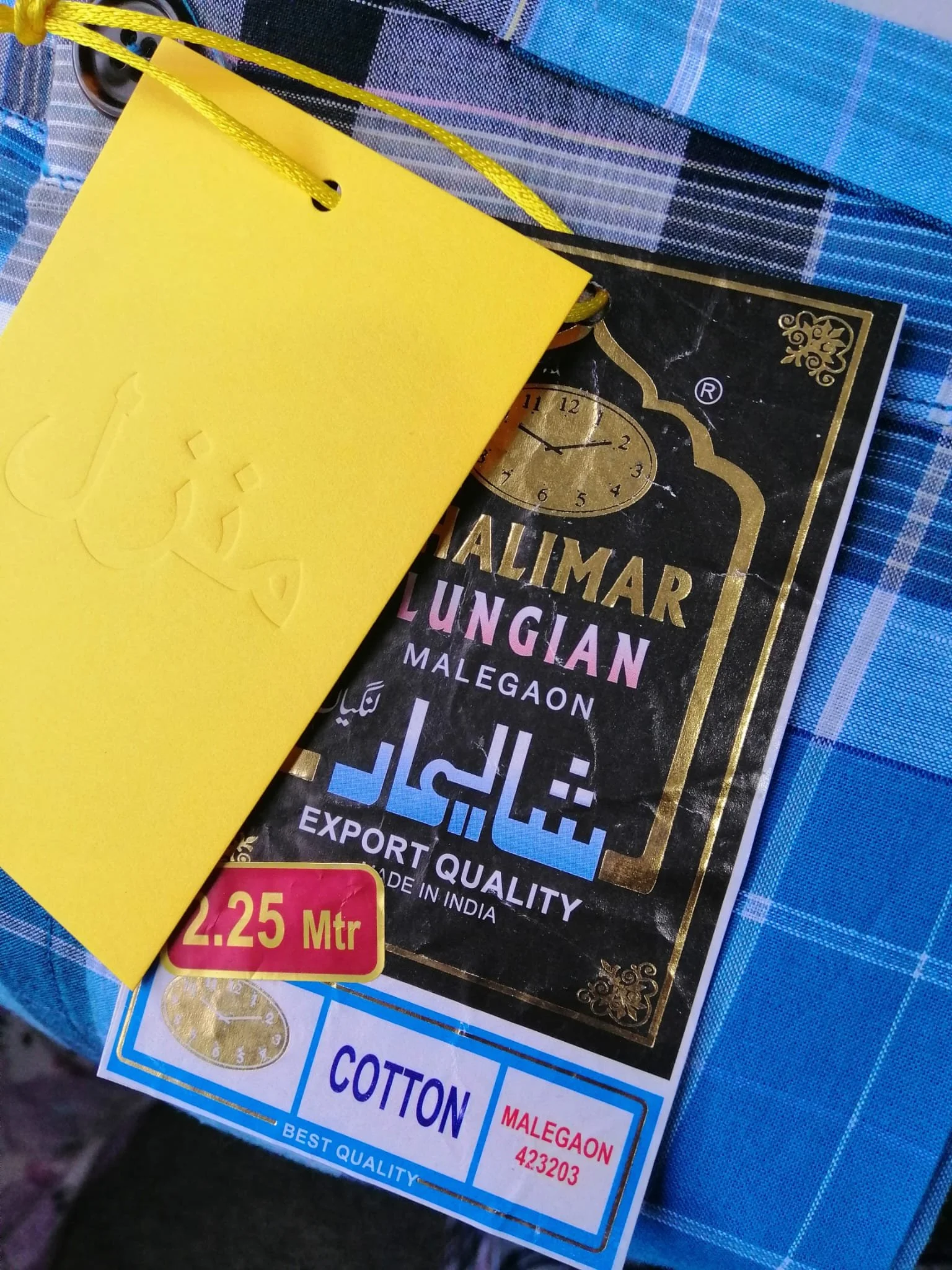
The lungi brands utilisied, ‘Shalimaar Lungiyaan’ and ‘Charminar Lungiyaan’, are textile manufacturers in the Malegaon textile cluster located in the Nashik district of the Maharashtra state, India. This textile cluster is home to 5856 power loom units and the core firms provide employment for over 60,000 weavers, majority of which are part of minority populations and vulnerable sections of society.
My Lungi fabrics are sourced at the local market near my village, located next to the train station in Gujarat, India. I look forward to tracing the supply chain, meeting the lungi vendors and weavers and learning more about their experiences.
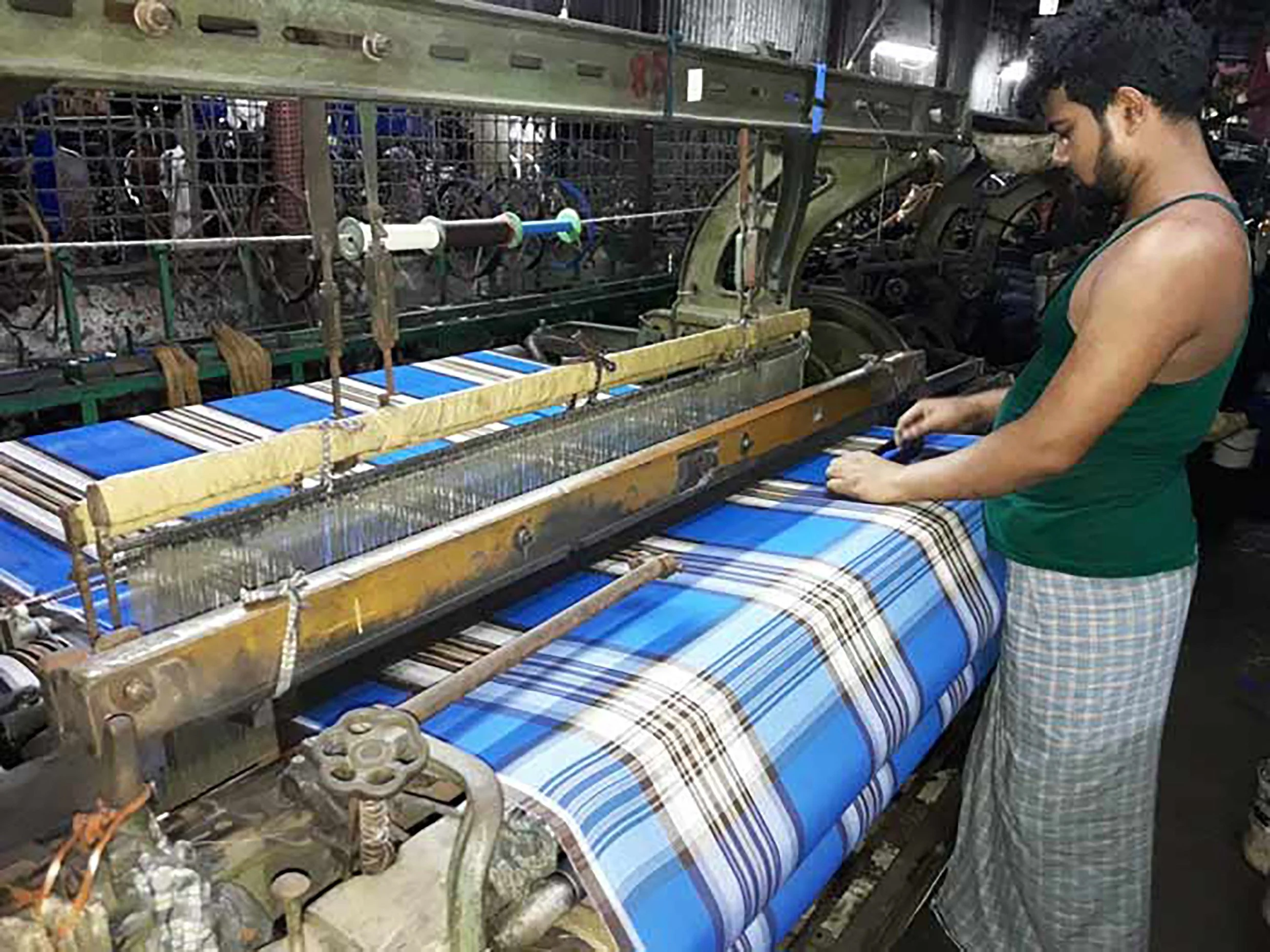
The Malegaon textile industry also face challenges that are pushing the locally run factories into decline. This is found to be be due to three influential factors: government schemes that are unsupportive to small scale operations, an influx of cheaper imported fabric and the new generations who lack interest towards weaving and textile practices. The reduction in the once booming industry has left thousands of workers struggling to find alternative employment opportunities.
Prof. Baral, Bibhudutta, Divyadarshan C.S, and Amulya S. “Lungi Weaving Process.” N.d. D’Source.
Learn More About Lungi
The lungi is a woven, indigenous, cotton cloth, used as a traditional wrap skirt for men in India and across South East Asia. Recognised by its vibrant checks, it is valued for its ease, practicality and comfort, with deep connections to everyday life, rural communities and cultural identity.
Loved for its simplicity, the lungi is commonly worn by farmers, labourers, fishermen and elders. My father calls it the ‘Indian sweatpants’, a cloth made to be lived in.
But the lungi isn't nostalgia or antiquity. It's continuity. You don't have to be Indian to appreciate the lungi, it is a tradition that can continue to evolve through the people who weave it, wear it and find strength in it today.
Lungi is a reminder that tradition doesn’t belong to the past, it belongs to those bold enough to wear it now.
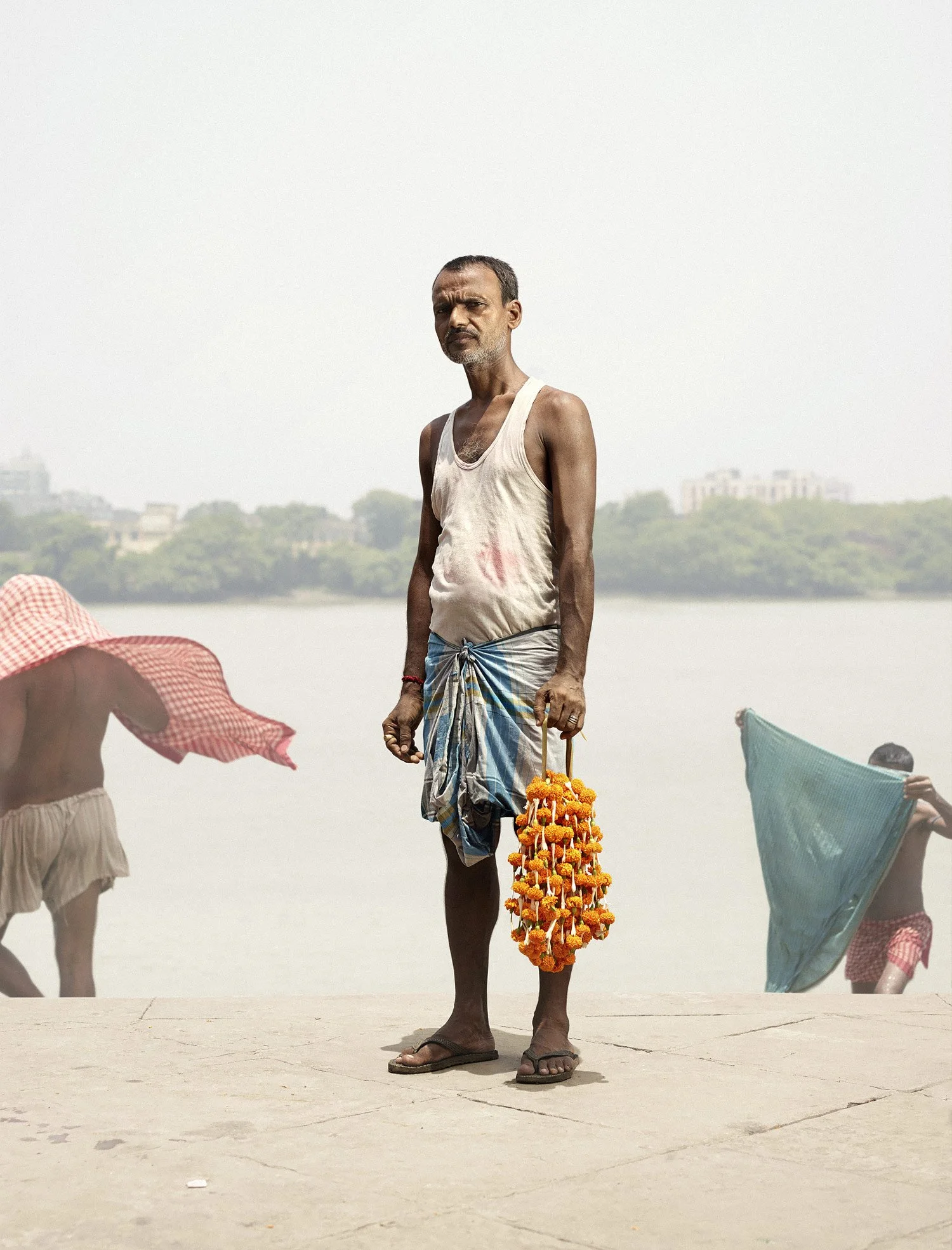
Ken Hermann. ‘Tinku Das’. Flower Men Series. Kolkata, India 2014.