
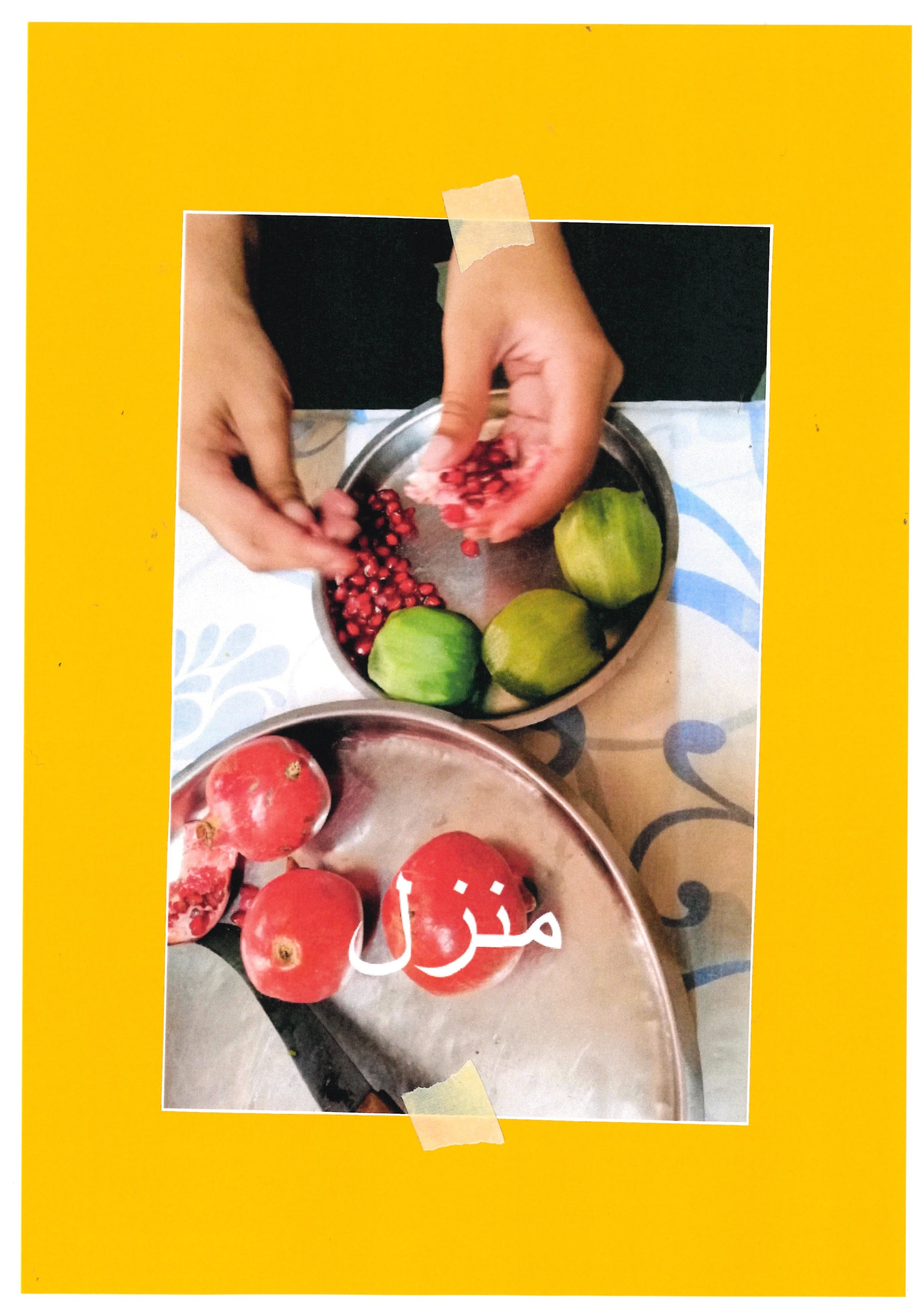
Spilling through the bruised sky, the river of light dazzles my eyes as I stand below, breathing in the warm, hearty air of my home. Suid Afrika. Cobalt tears are cradled as they seep into soft cotton that lay across my elders lap. Heavy, I carry the weight of my home. Bharat. Glass shatters to foam as my feet sink into the shore. Pulled by an embrace of gentle mist and pushed by hostile waves, I search for balance in making my home. Aotearoa.
I belong to the liminality between the transvaal, the village and the moana. But distance turns identity into a box on a form. Maori, European, Pacifika, Asian, African, Other. If I tick one, I lose another.
Yet my cultures have never asked me to choose. Instead they teach me. They console me. They encourage meAOTEAROA: WHERE HOMES MEET
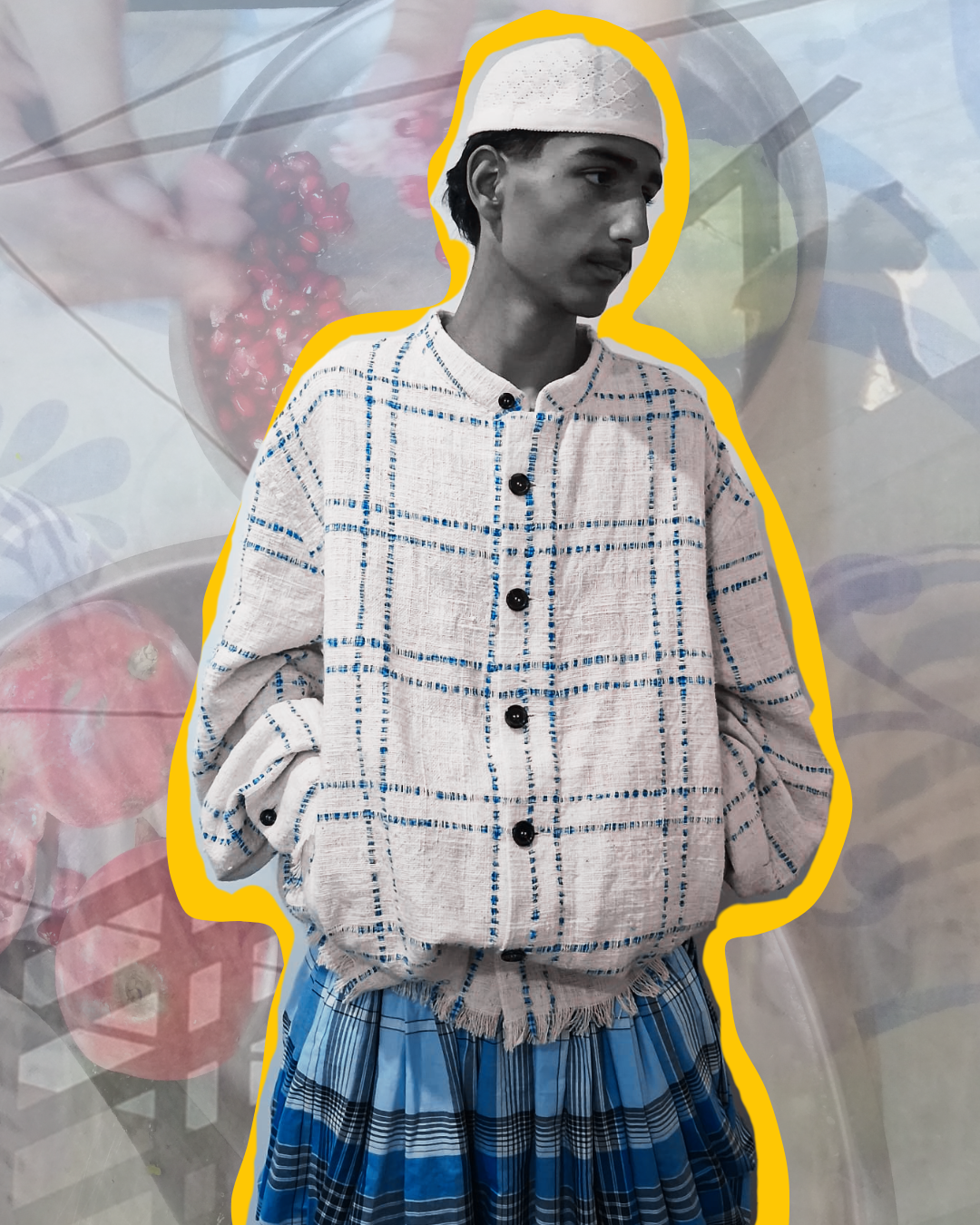
Beyond borders and across seas, a tether holds humanity. Whanungatanga, Ubuntu, Ummah, a shared lexicon of indigenous knowledge that refuses the idea that identity must be singular. They do not ask me to grieve the loss of my home to inherit another. They ask me to grow, to build, to understand. A continuous construction of self among migrations, generations and ways of life, I begin to imagine culture as something additive, expansive and continuously becoming.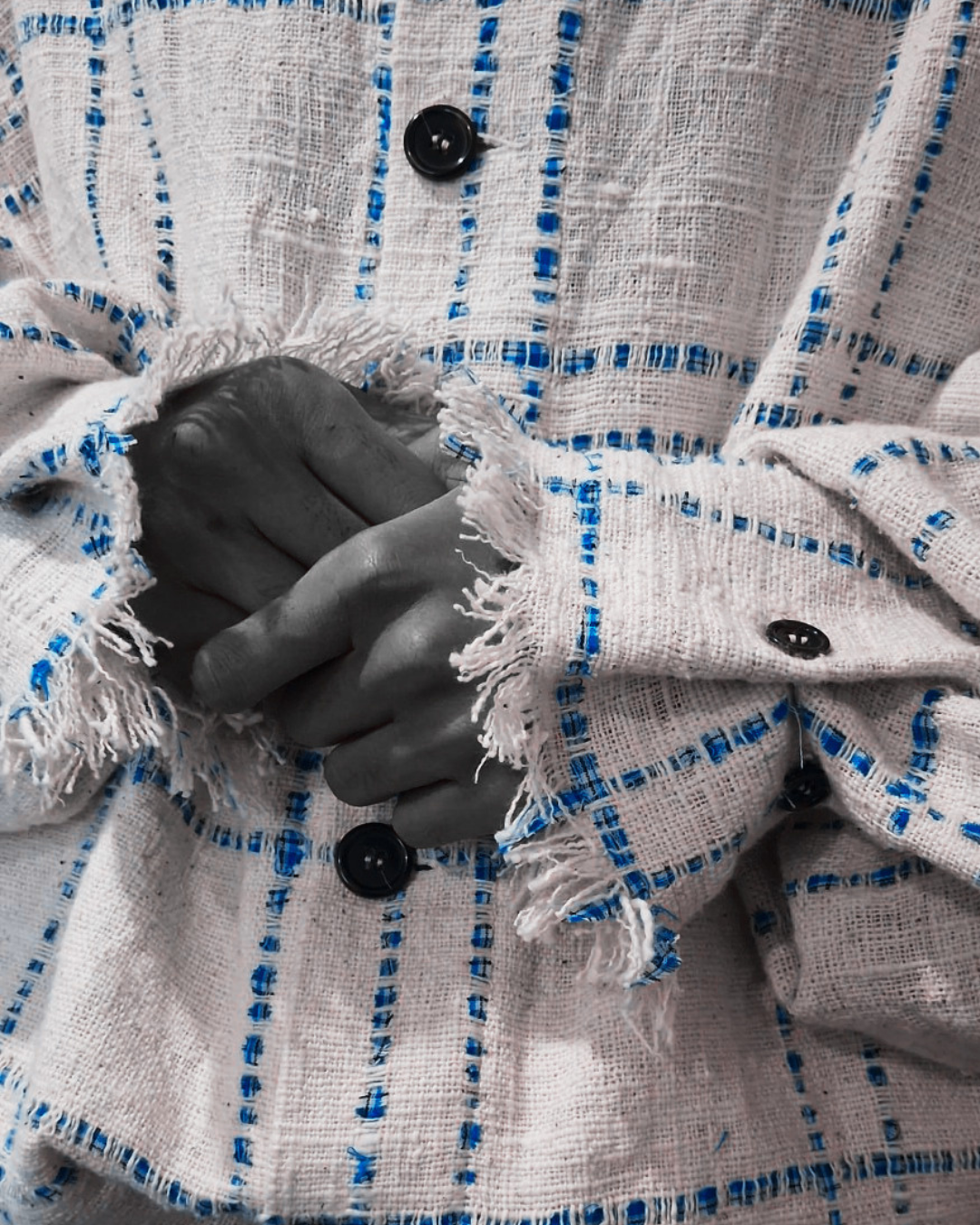
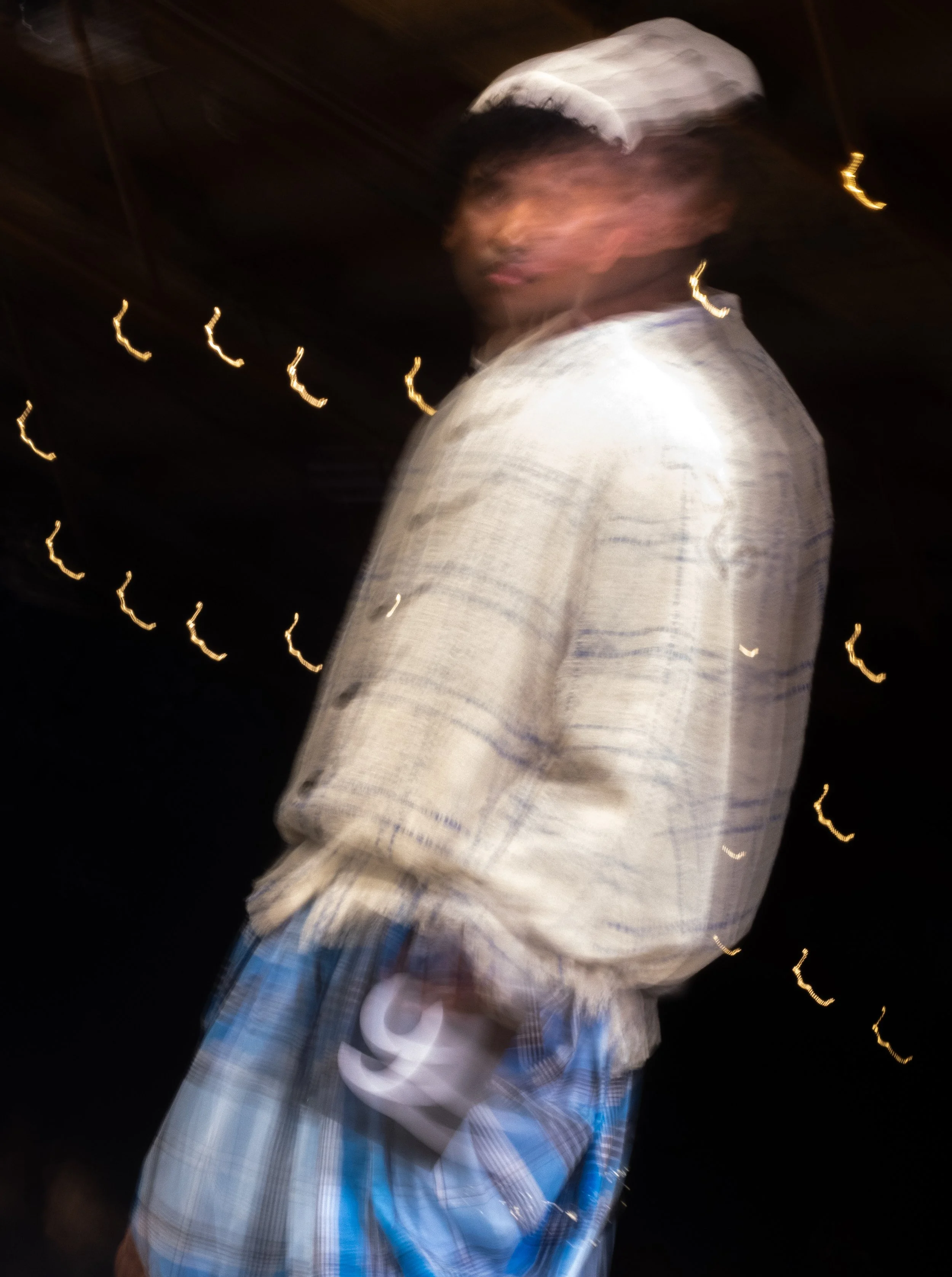
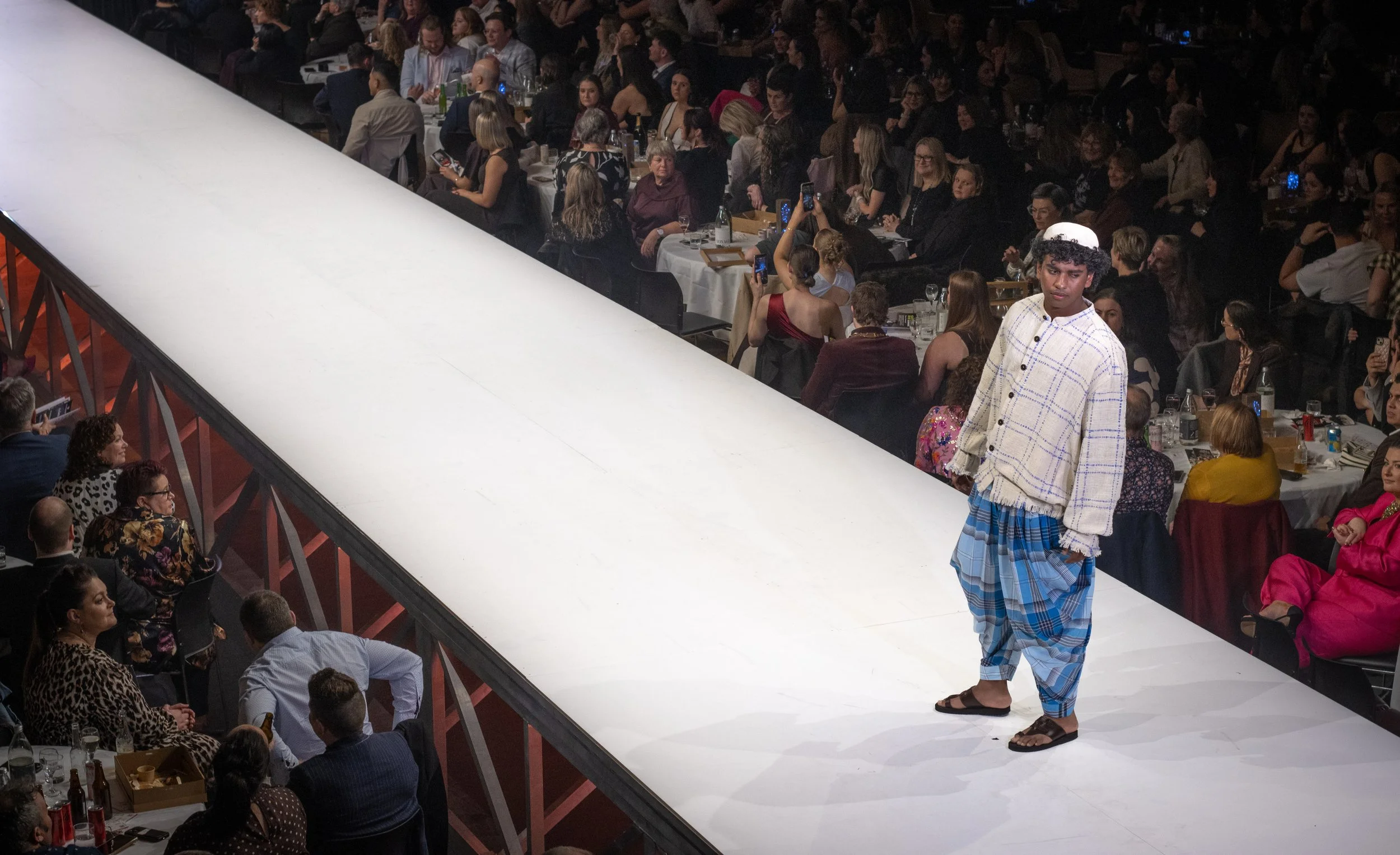
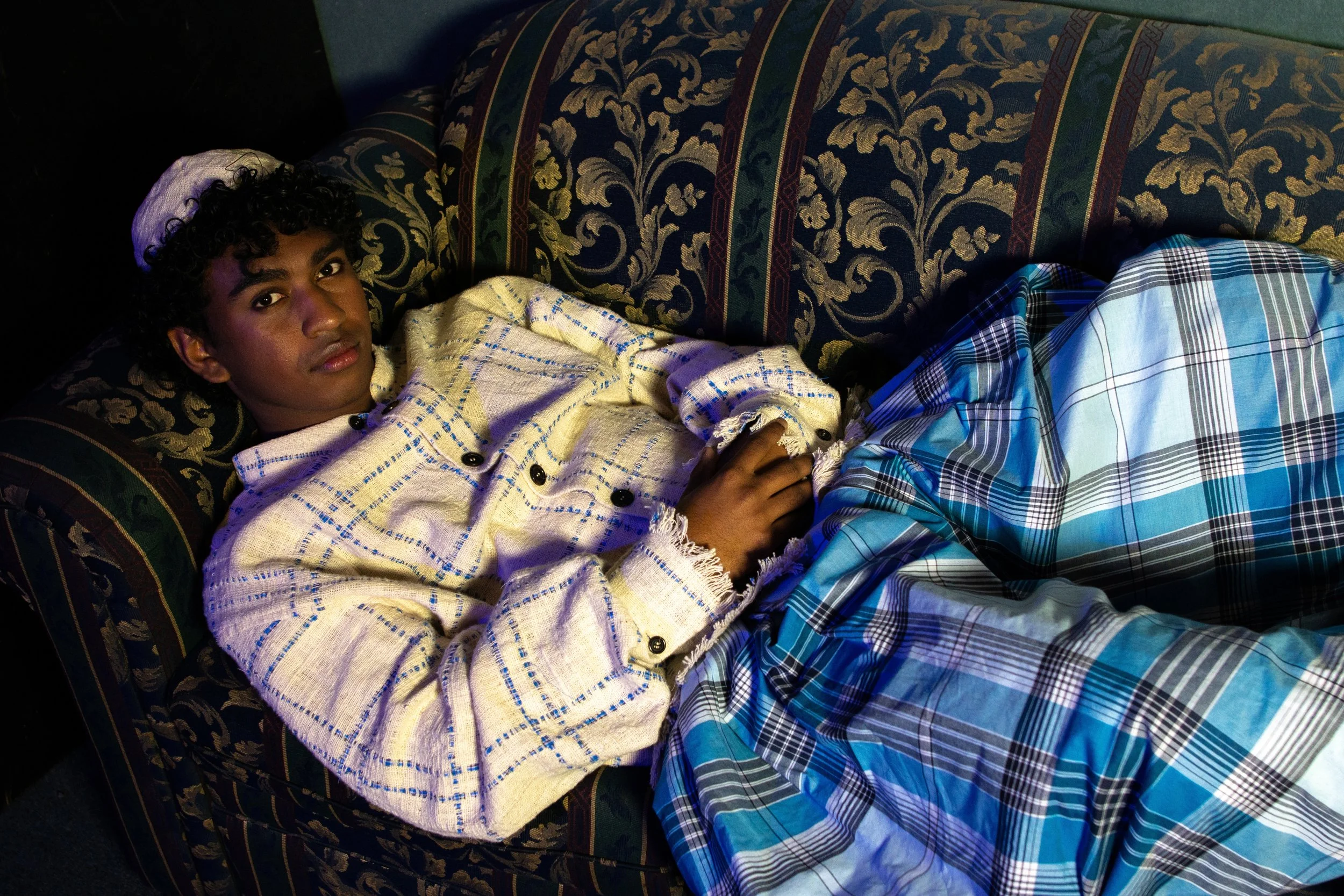
Exploring the paradoxes and fluidity of cultural identity, the ensemble reflects a broader Aotearoa; a nation shaped not by a single story, but by the meeting of many. Questioning what a New Zealander can look like among the diverse and multicultural growth of Aotearoa, garments respond with fullness as an abundance of identities, memories and experiences. Mirroring the negotiation between fluid selfhood and the pressures to be understood, the wearer is enabled to shift between these states by releasing or constraining their fullness through functional pleating, drawstrings and layering.Fabricated from unravelled and reworked ‘Khadi’, a handspun, handwoven, Indian cotton alongside ‘Lungi’, the humble, chequered wrap cloth of my elders, I aim to assert that culture is not a resource to be lost through movement, but a seed that can flourish through exchange, practice and care. Retaining traditional textiles is not a dismissal of New Zealand, but an affirmation that the cultures I carry are also part of its evolving social fabric.Aotearoa is not the place where I must painfully choose between my homes. It is the place where they are invited to grow together.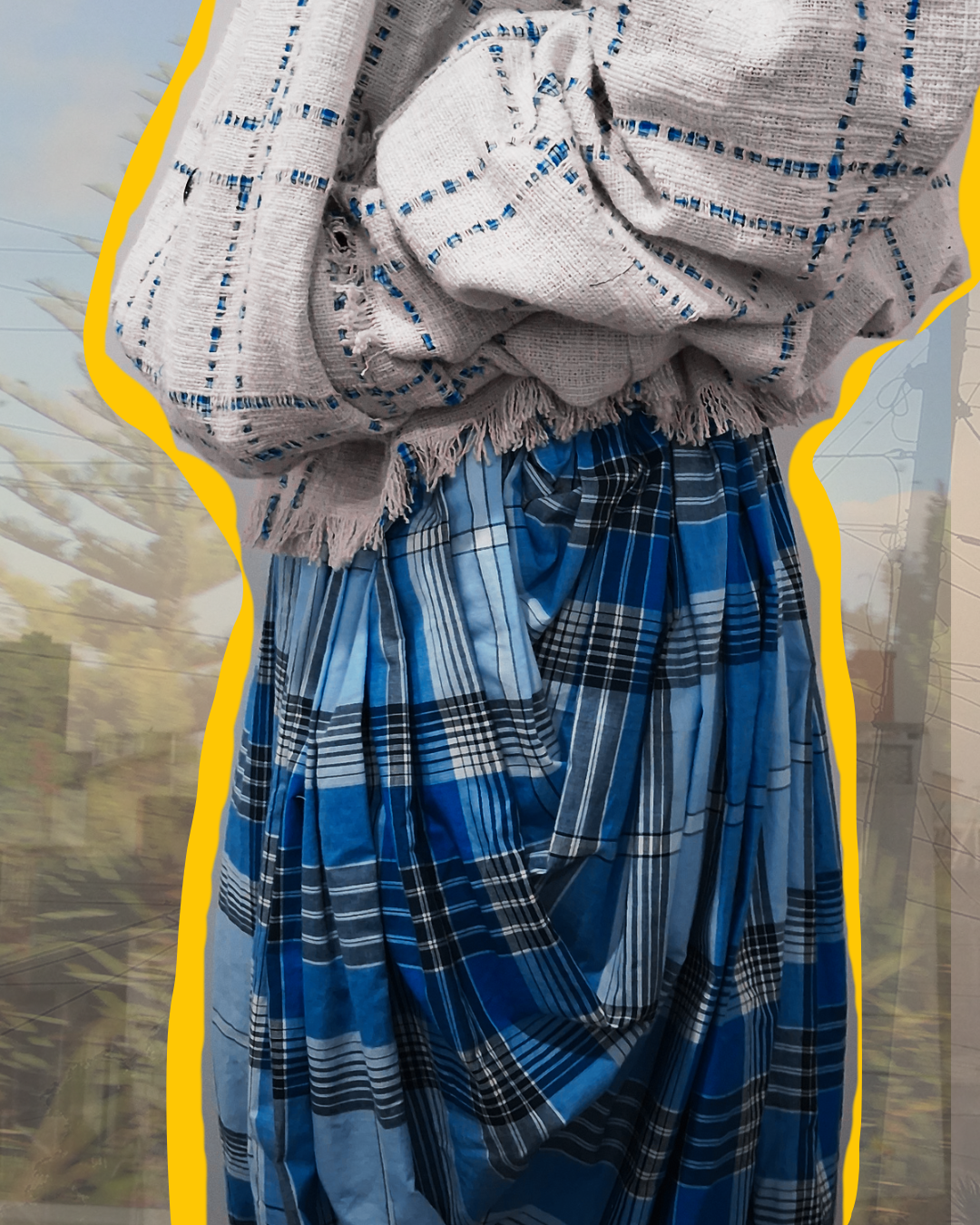
Hokonui Fashion Design Awards
2026
جزاك اللهُ
Thank you to the team at @hokonuifashiondesignawards for generously accepting, presenting and awarding my submission. Truly honoured to have received the Aotearoa and Narrative Awards this year.
Photography: Max Balloch
A Growing Archive of ‘Home’
‘Where Homes Meet’, is an open, collaborative project inviting people from all backgrounds to share a photograph of what home means to them.
Home isn't always easy to explain. It can be found in the silly moments, familiar faces, warmth and everyday rituals. It can also be what we search for through distance, hardship, uncertainty and change. Through the photographs and reflections shared, MANZIL makes space for these different experiences to be seen, acknowledged and understood, without asking them to fit a single idea of what home should look like.
As people from all walks of life, I find that we spend a lot of time in defense of our belonging, meaning that we never actually had the chance to define ‘Home’ for ourselves. This project is that chance. A space to explore what home means to us, in all its contradictions, and to recognise the lived experiences that shape the evolving identity of Aotearoa.
Each contribution becomes part of this growing archive, brought together through collage, layering and installation to create new collective artworks. The project is intended to travel, migrate and grow, welcoming new voices and perspectives along the way. What it becomes will be shaped by the people who take part.
Supported by: Whau Ethnic Collective, Whau Local Board and New Lynn Community Hub
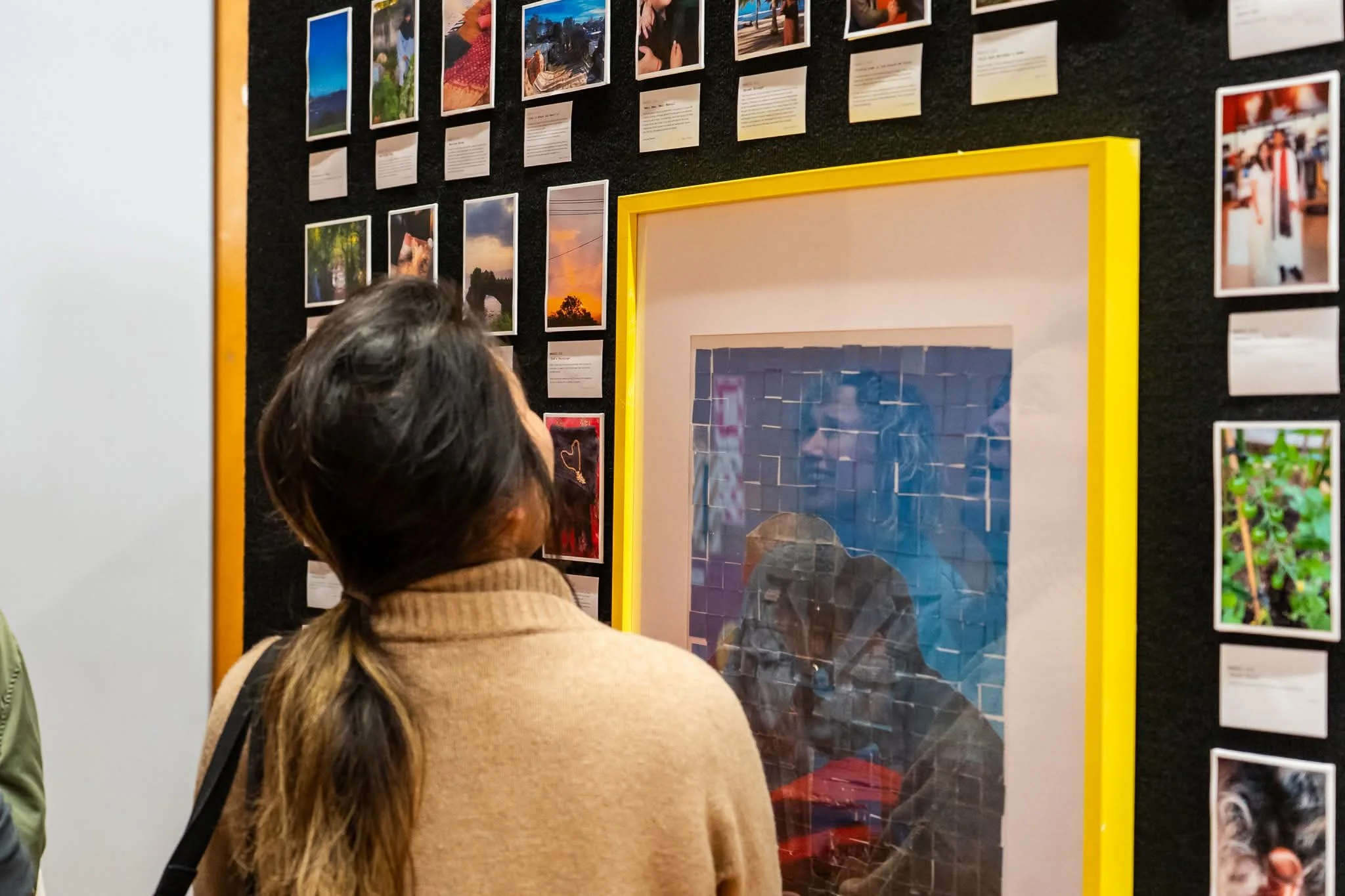
Whau Arts Exhibition 2026
VIEW THE ARCHIVE
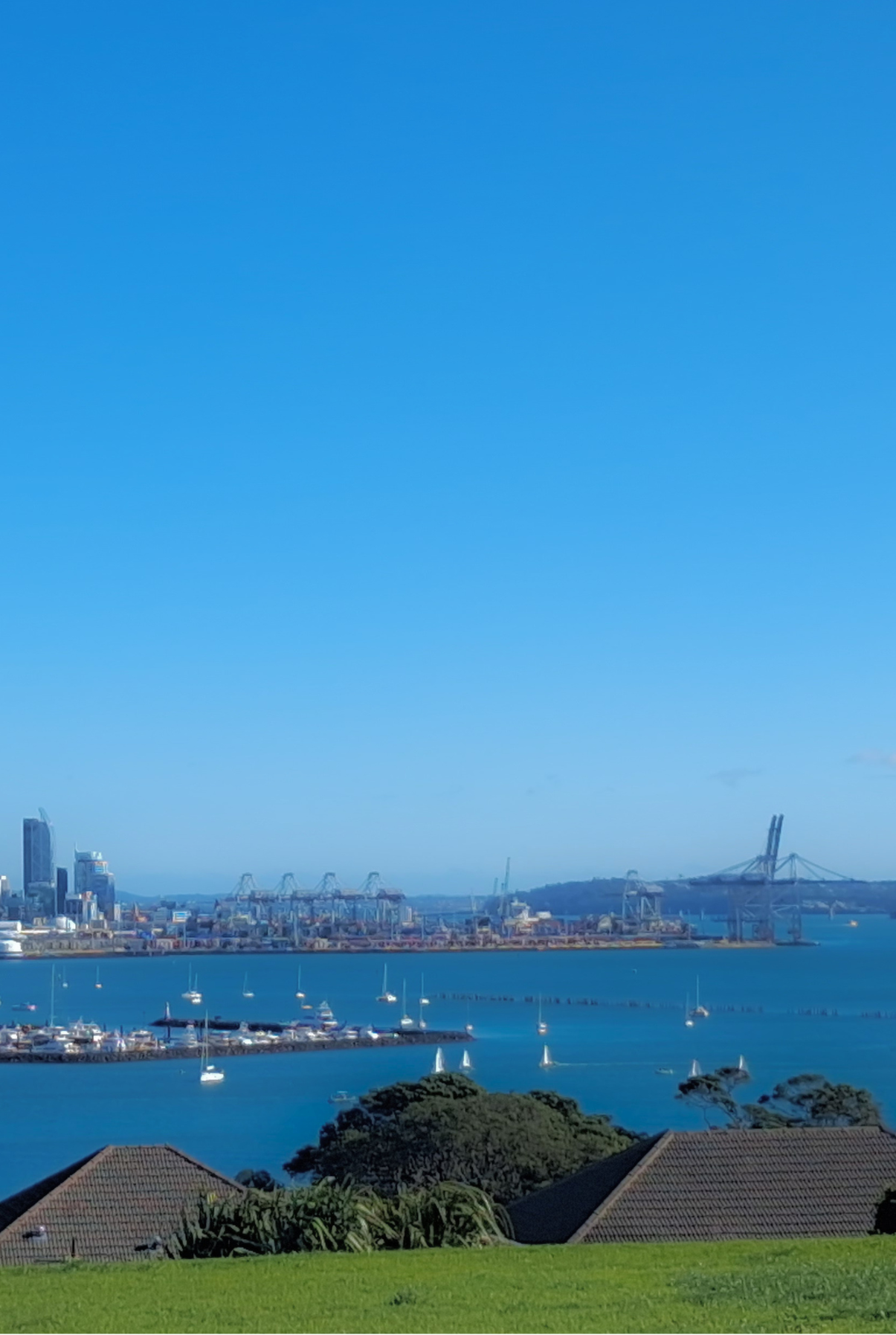
MANZIL 001 : A KEEPSAKE HORIZON OF HOME Auckland’s skyline woven together with lush green landscapes can make arriving feel like coming home. - Omar
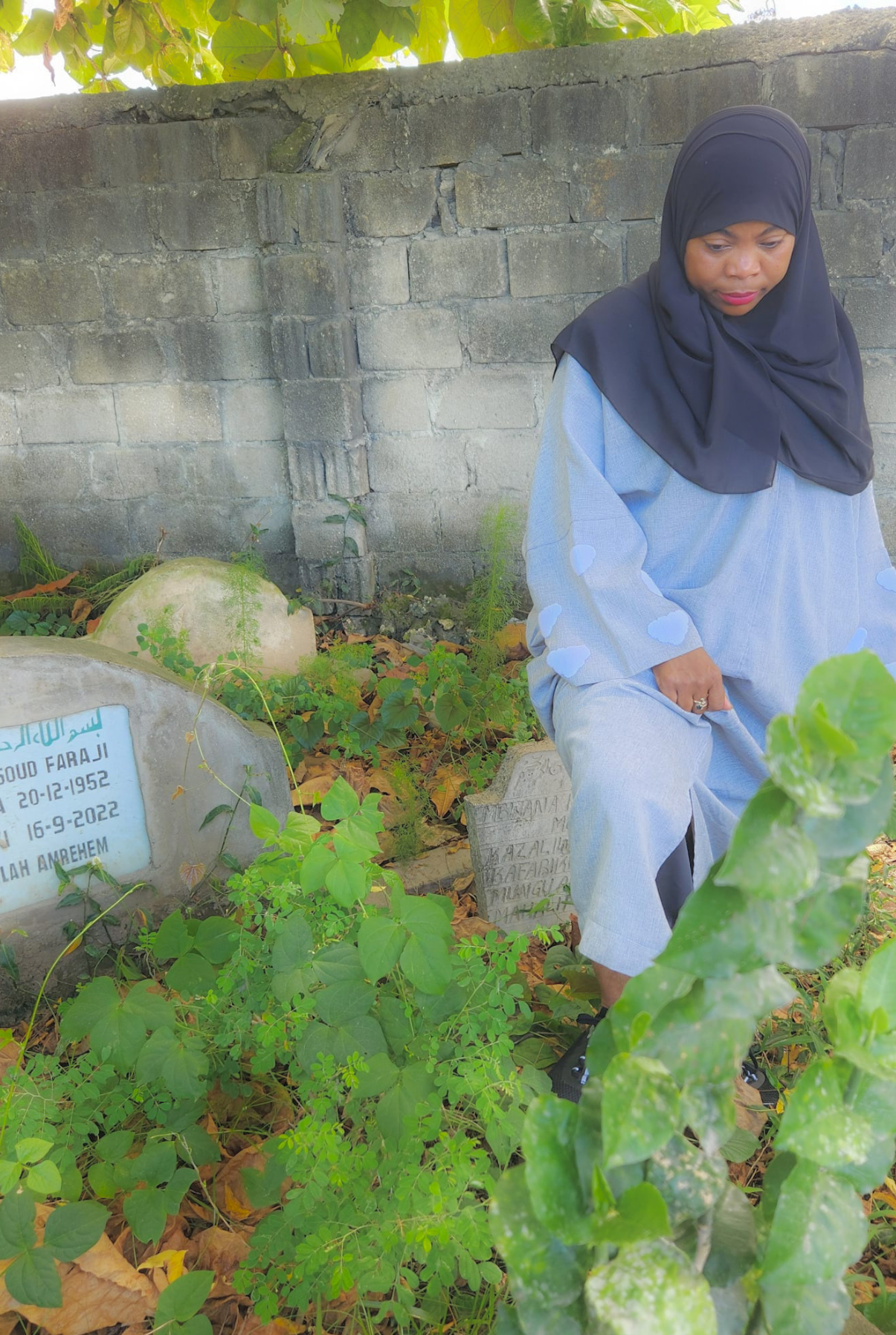
MANZIL 002: THE FIRST STOP After 8yrs in Aotearoa, I took my children's back to Zanzibar to meet their family. Our first visit was not to the beach. It was to the graves of my husband's family. I sat there and Cried I realized all those people under the grounds were once just like us, Busy, proud, funny, people with excellence, everyone thought they had forever. - AYSA
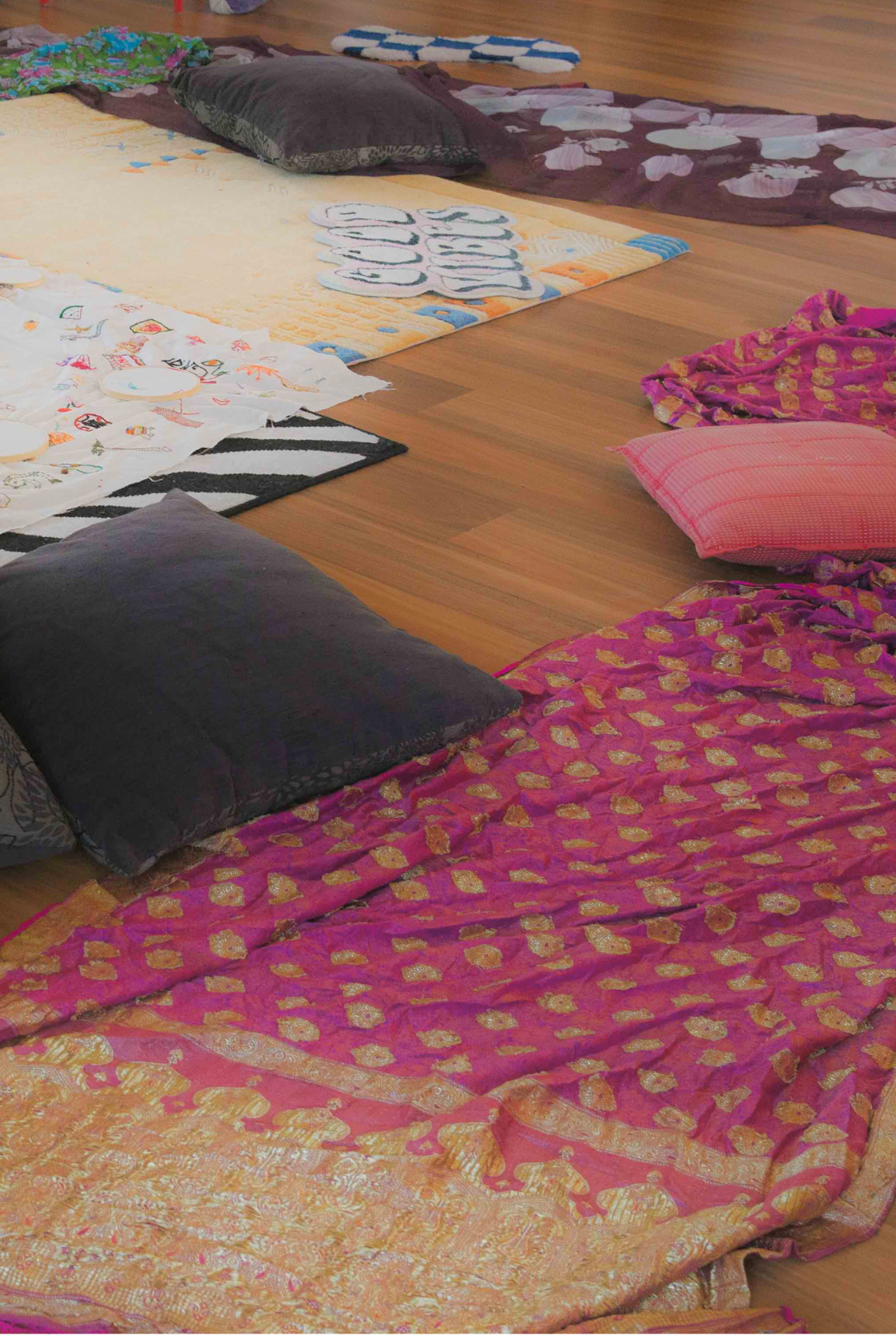
MANZIL 003: AUNTY'S HOUSE My manzil is Aunty's House, the community collective I founded in 2023 that celebrates, connects and empowers the South Asian diaspora in Aotearoa. This image is particularly special because it features many items from my whare: cushions off my living room couch, zebra rug from my front entrance along with the saris that come to all Aunty's House events that were donated for our kaupapa. It makes me feel safe, warm, loved and seen because so many of my favourite people were involved and so much of myself shared. - Amita
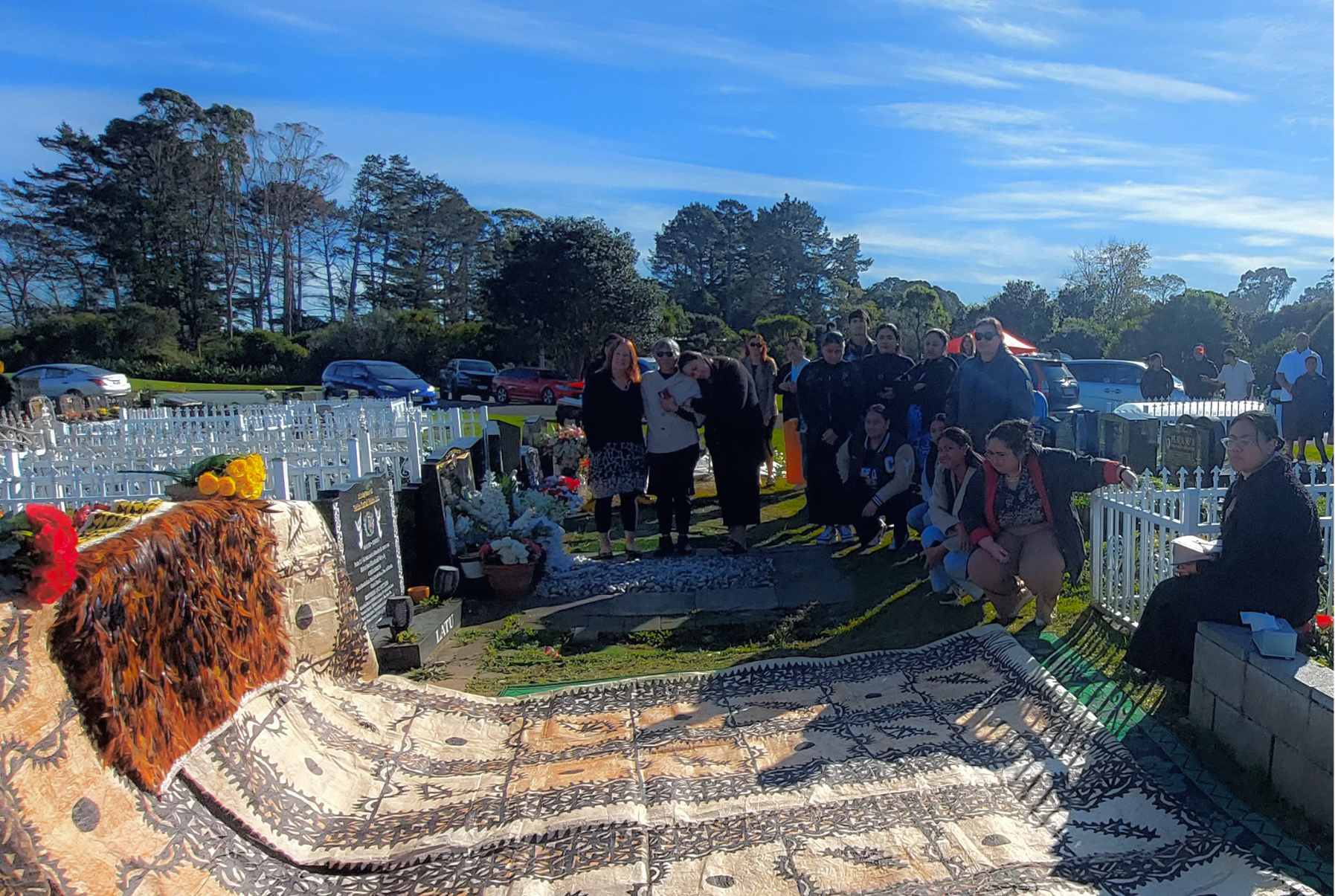
MANZIL 004: HOME IS WHERE THE HEART IS As the title of this photo says, “home is where the heart is,” and this place is truly where my heart lies. Several of my loved ones who have passed away rest here, including my mum and aunty who were two of the most influential women in my life. Whenever I visit them at the cemetery, I feel their presence in a way I cannot explain. It brings me peace and helps me feel whole which is something I miss at home, where everything can feel empty without them. - Shanelle
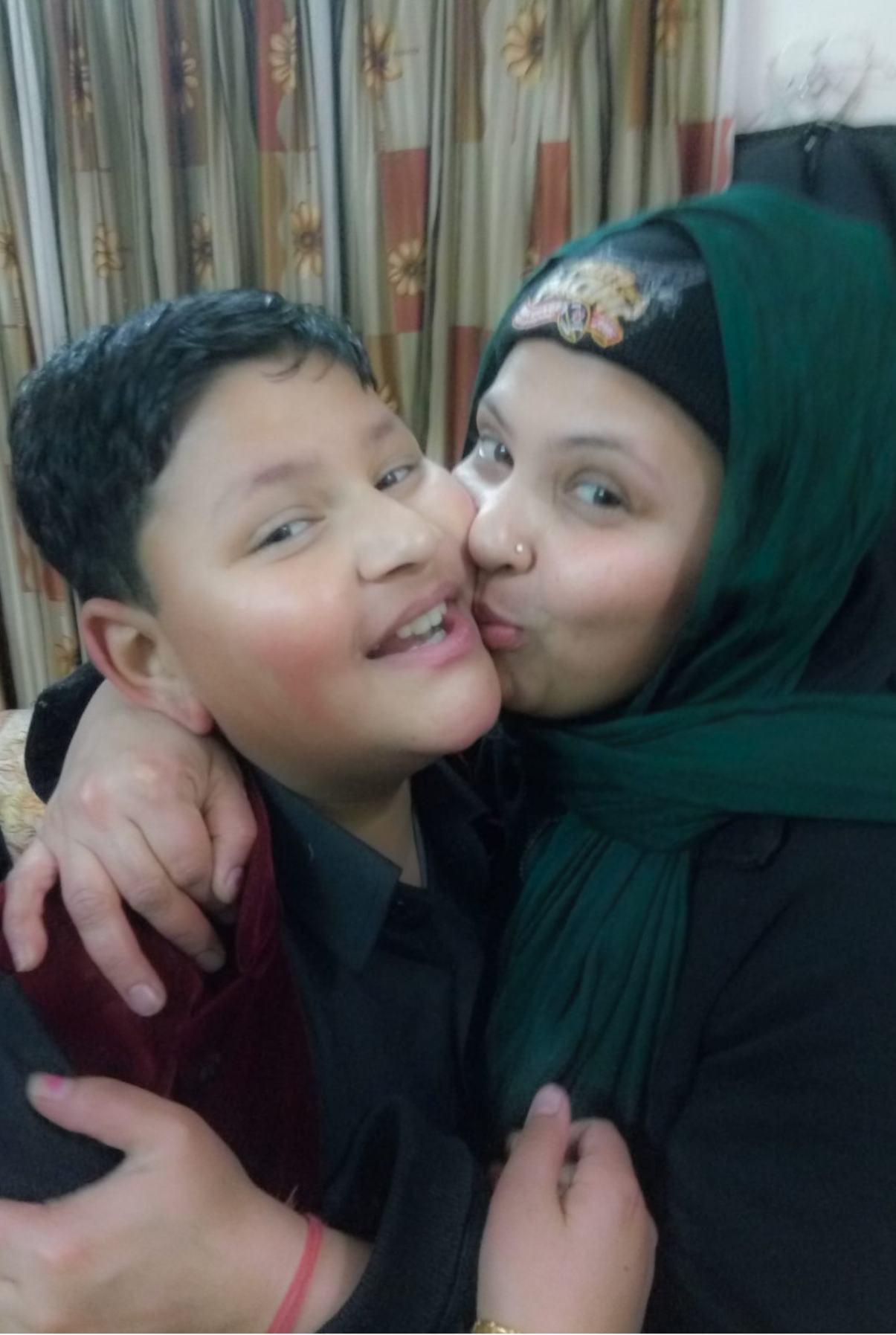
MANZIL 005: MERI MAA, MERI MANZIL This is the photo of me and my mum and I was around 12-13 years old. And I feel like I belong to this lady and she’s the only person who will stand with by my side in future no matter what. She’s my only supporter and my only Manzil. Love you mummy :)) - Rishi
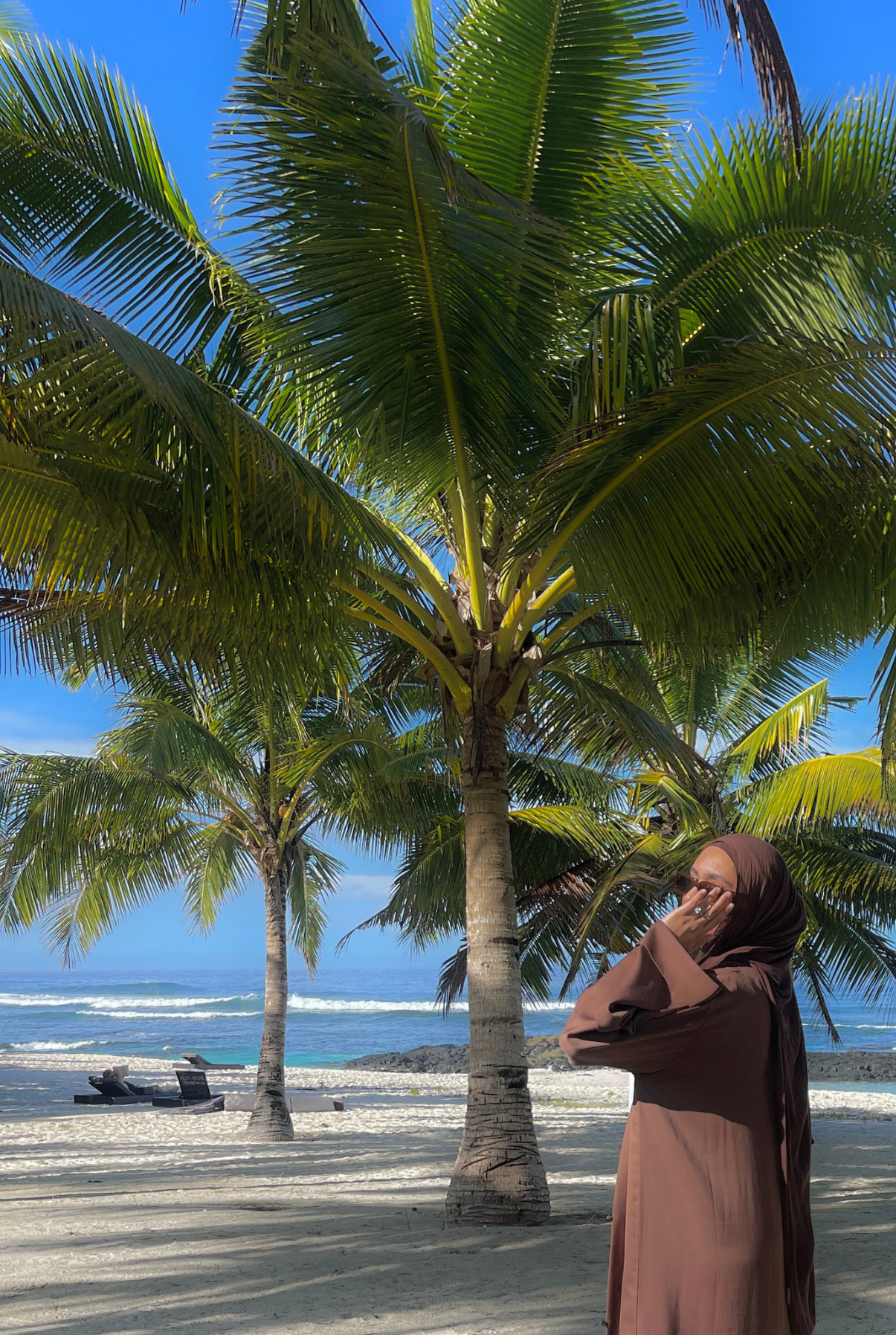
MANZIL 006: BROWN ENOUGH This was taken on a trip to my mother’s homeland, Samoa and in city of Apia. As someone who’s one half of 2 different brown cultures (Samoan + Pakistani), my realities lie somewhere between being picked on for not speaking the native languages, and side eyed for not looking the part. The taunting never stopped me from visiting Samoa but it didn’t motivate me either. Years later, I visited regardless and in Samoa’s heat and humidity wore my favourite modest fit, Hijab and color brown. this photograph sings loud and clear that I am indeed ‘Brown enough’. - Zainab
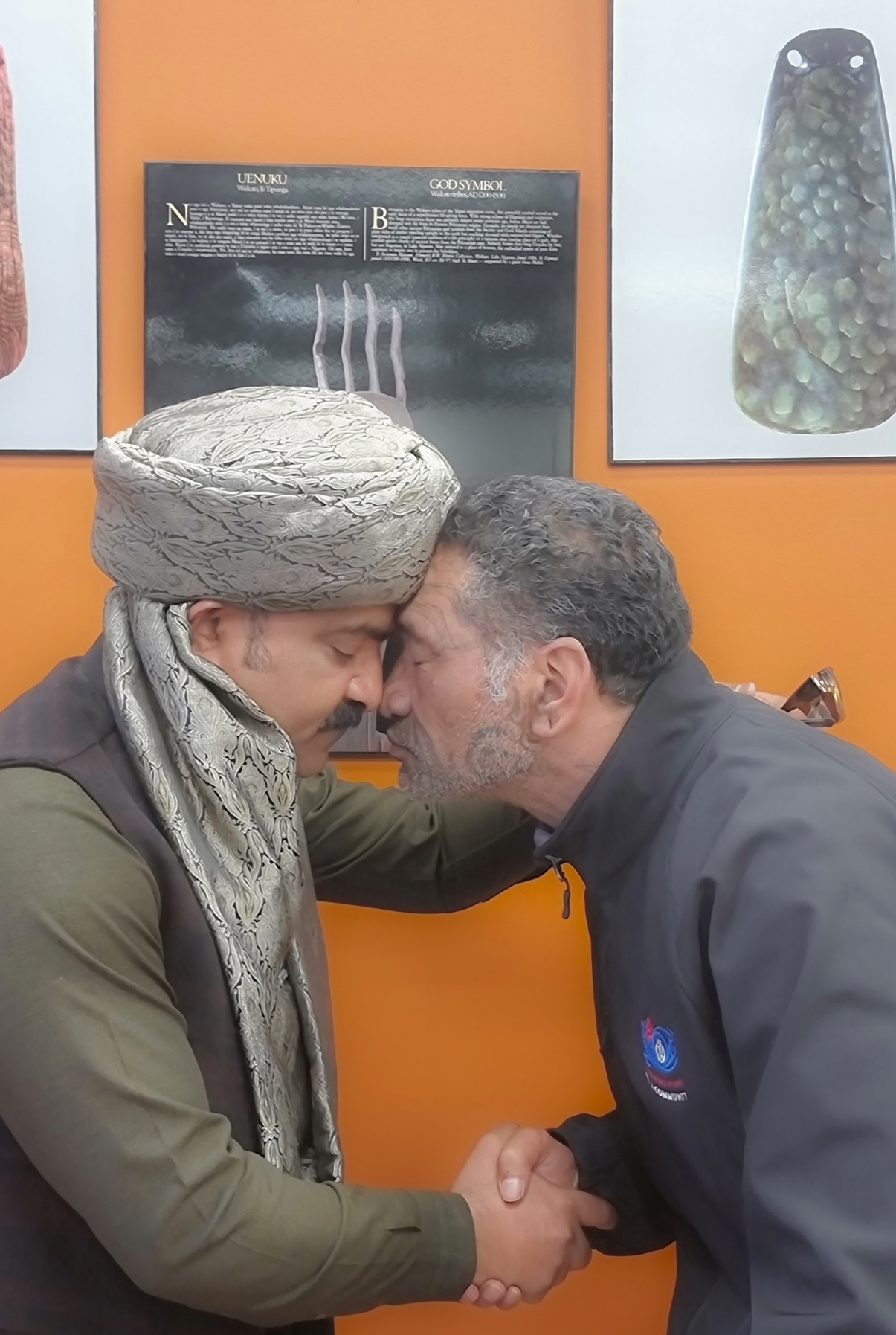
MANZIL 007: FINDING HOME IN THE BREATH WE SHARE A moment where two cultures meet through the hongi—sharing breath, respect and connection. It reflects a journey of finding belonging in Aotearoa while carrying the traditions and identity of another home. - Khurram
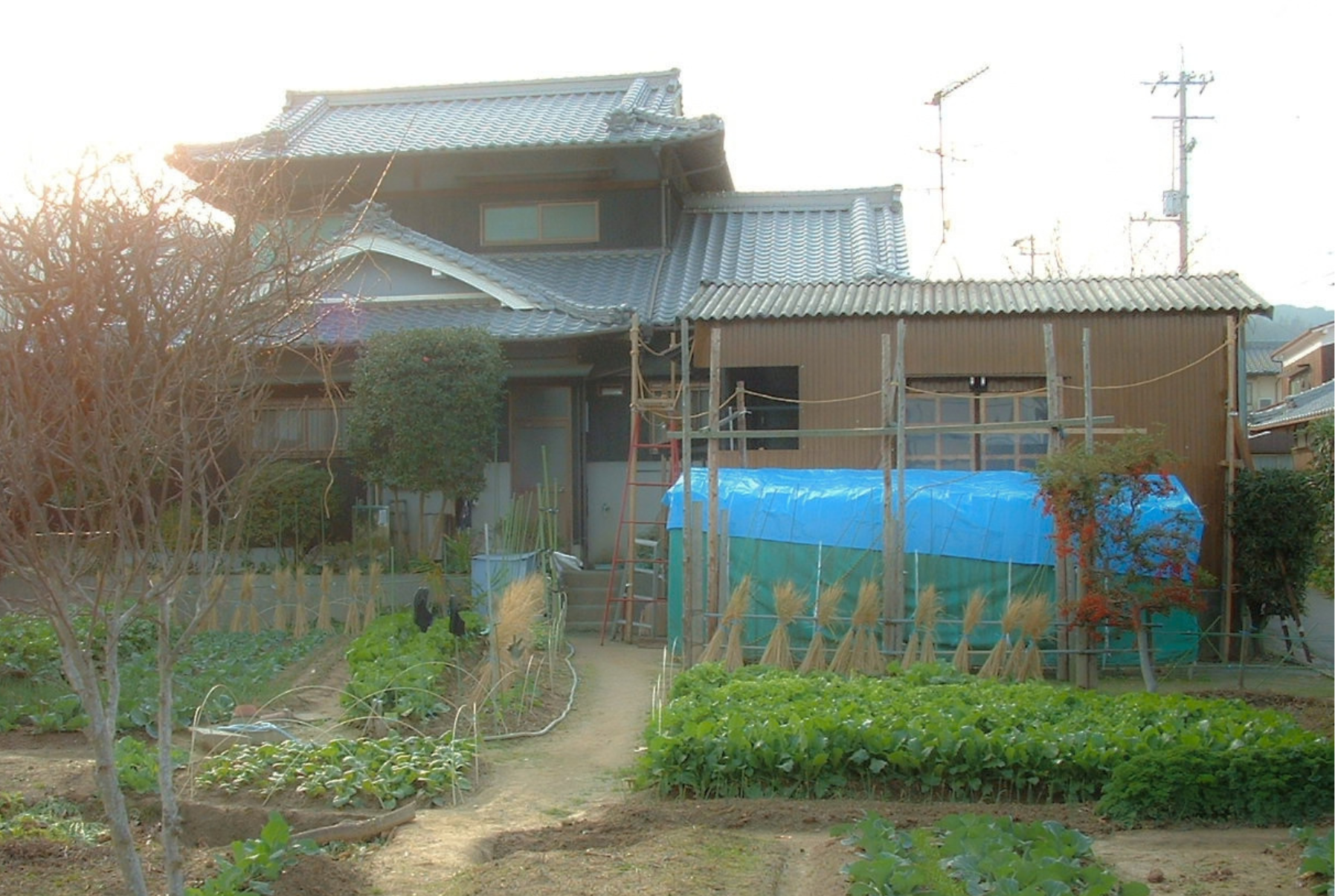
MANZIL 008: JIJI AND BA-CHAN'S HOME When I was little, I often travelled back to Japan to see my grandparents. They lived in a traditional Japanese home in the countryside. My fondest memories with them are helping out in the garden and eating food from it. -Mika
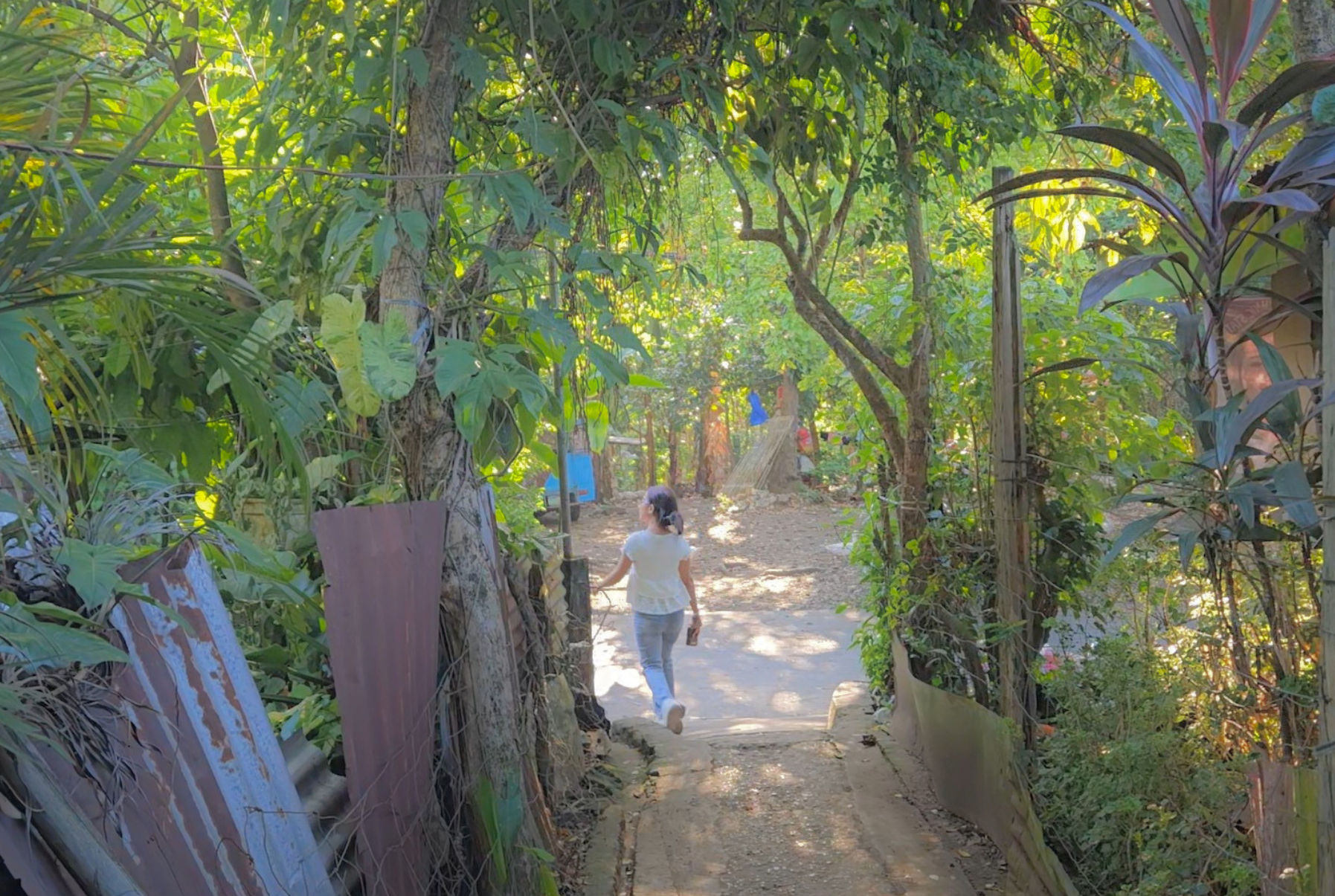
MANZIL 009: SHE'S HOME, SHE'S MY HOME This photo was taken in my recent visit to my fiancee's home town, where she was born, grew up and eventually outgrew. I observed her be completely care free and safe. I feel that way when ever I am with her. - Carlo
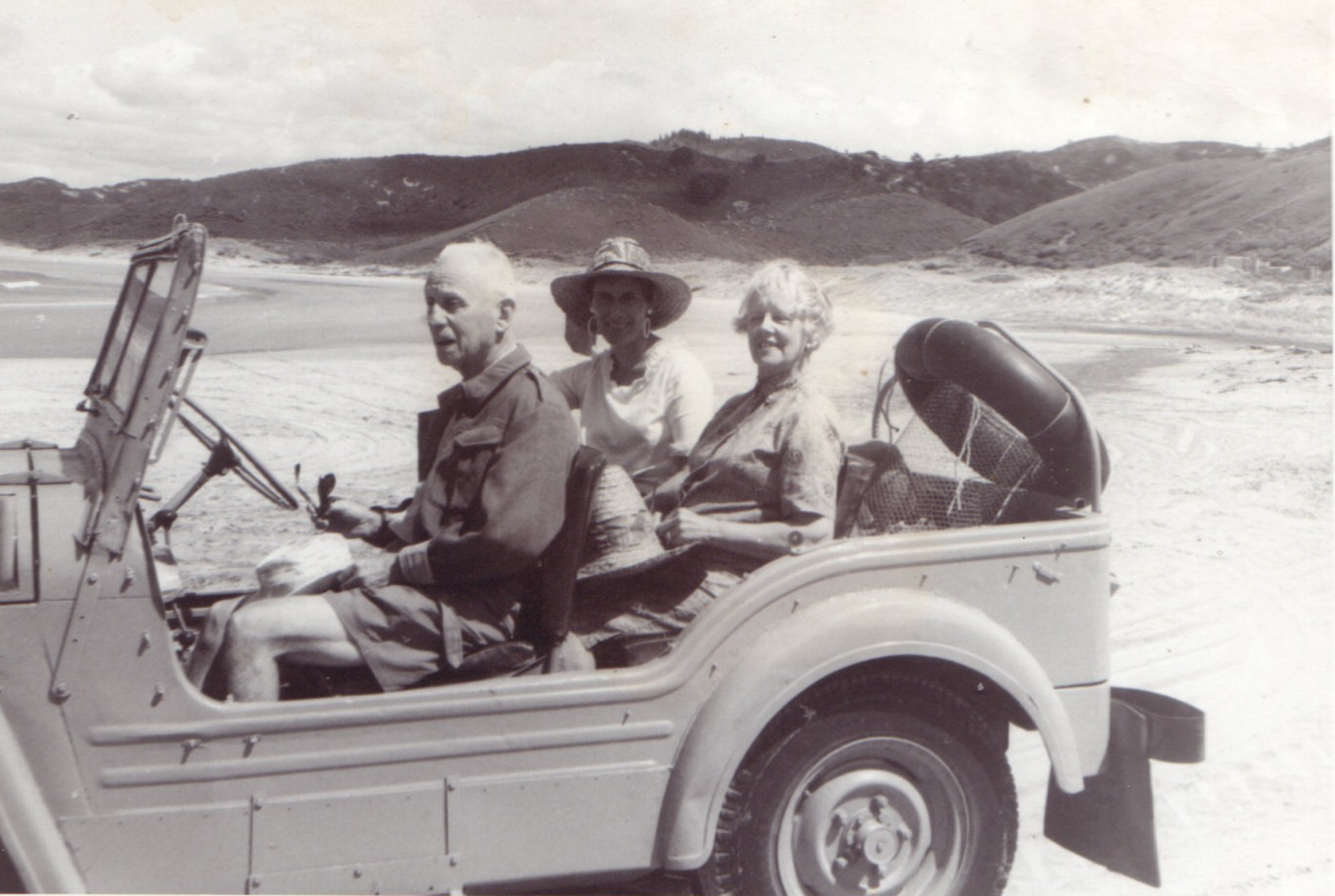
MANZIL 010: OPITO BAY Bach holidays in the 1960's -Peter
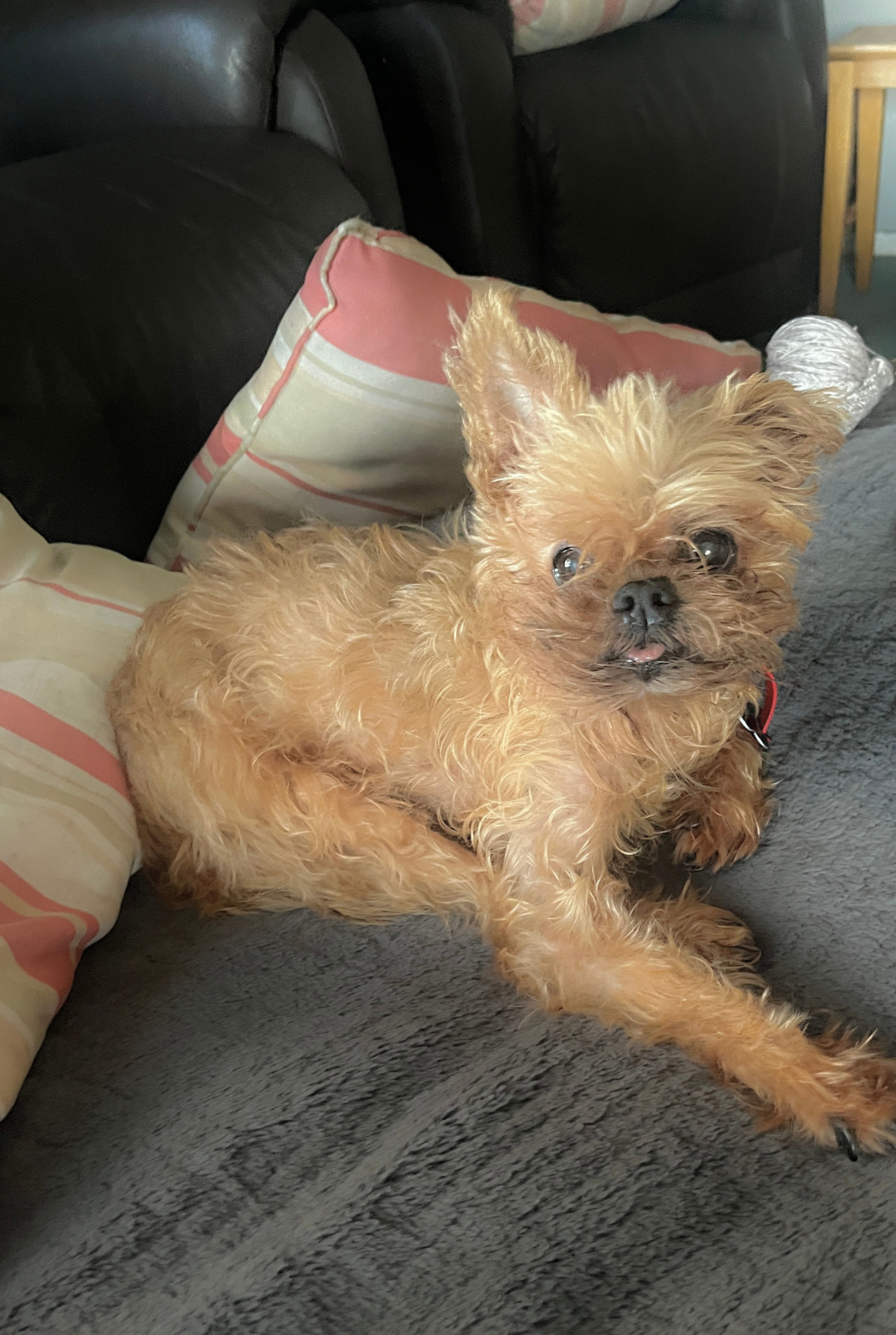
MANZIL 011: OSCAR My silly old man dog - Kaylen
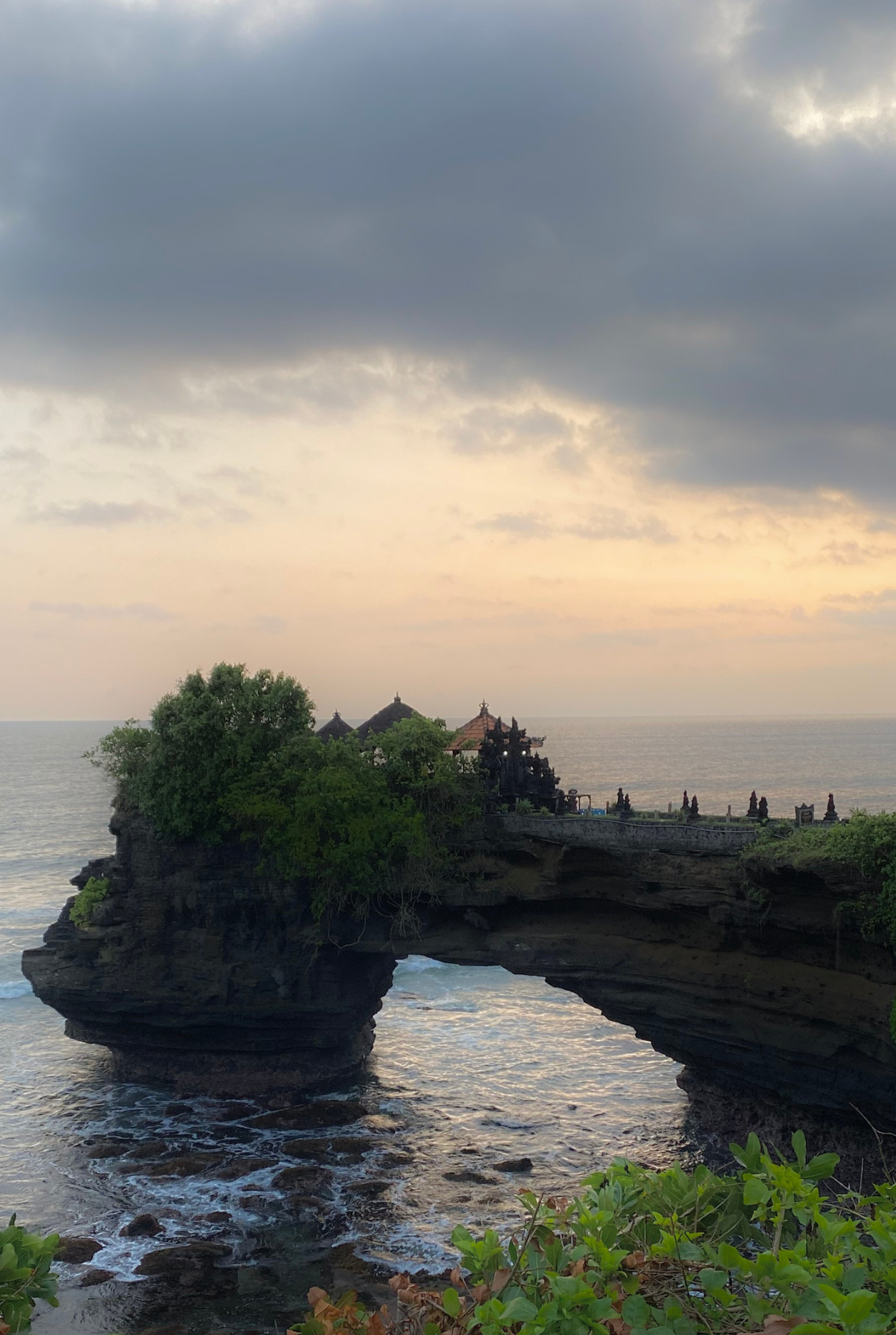
MANZIL 012: HOME IN INDO My partner is Indonesian, whenever I go over it feels like home and I feel such a deep connection to him and his culture. - Ali
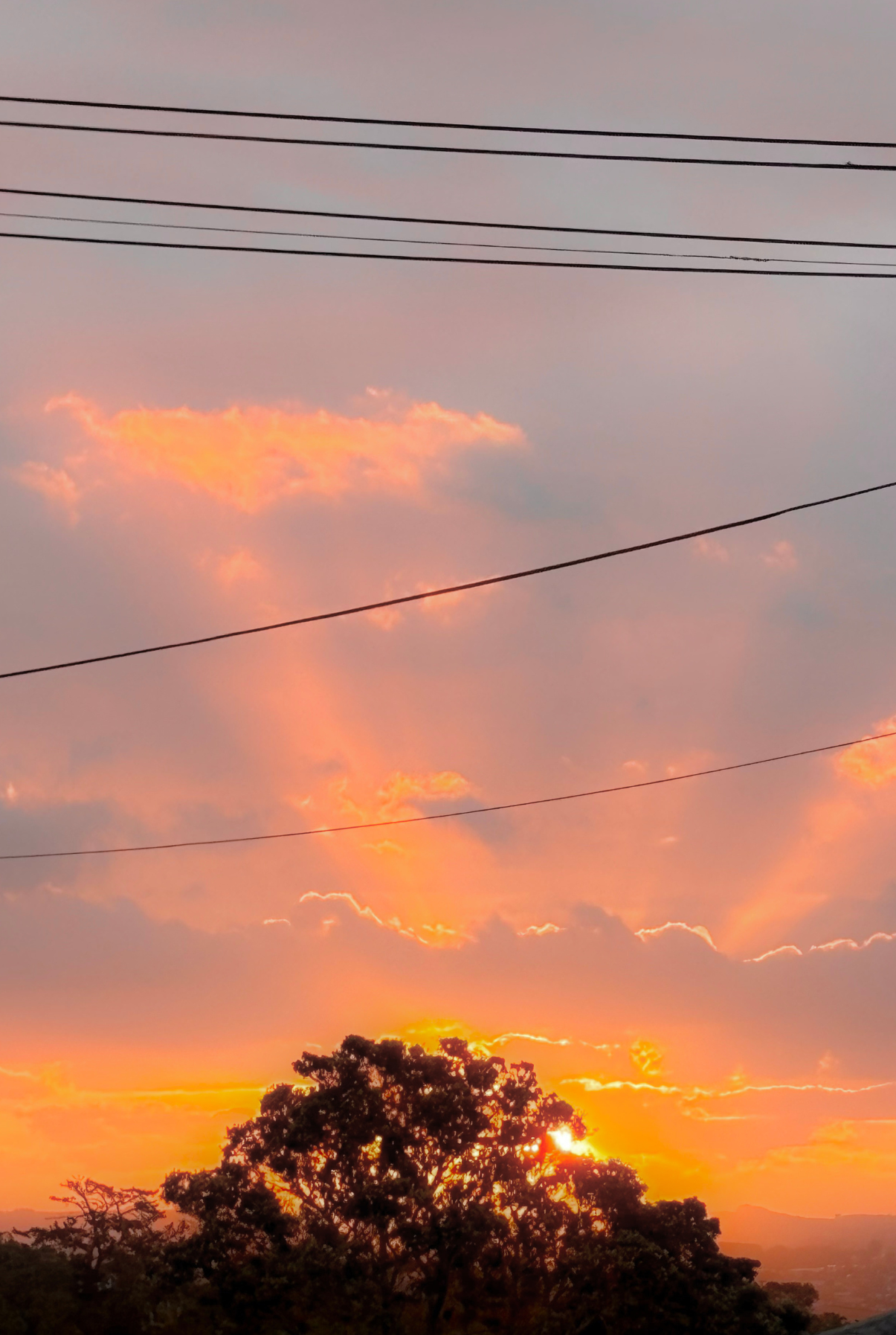
MANZIL 013: GOD'S PAINTINGS I feel at Home when I am loved unconditionally. With my family, my community, my purpose, each thing has come from God and I am eternally grateful. When he paints the sunset or sunrise, I’m in awe of His unconditional love for me and how He is my home, my purpose. - Olivia
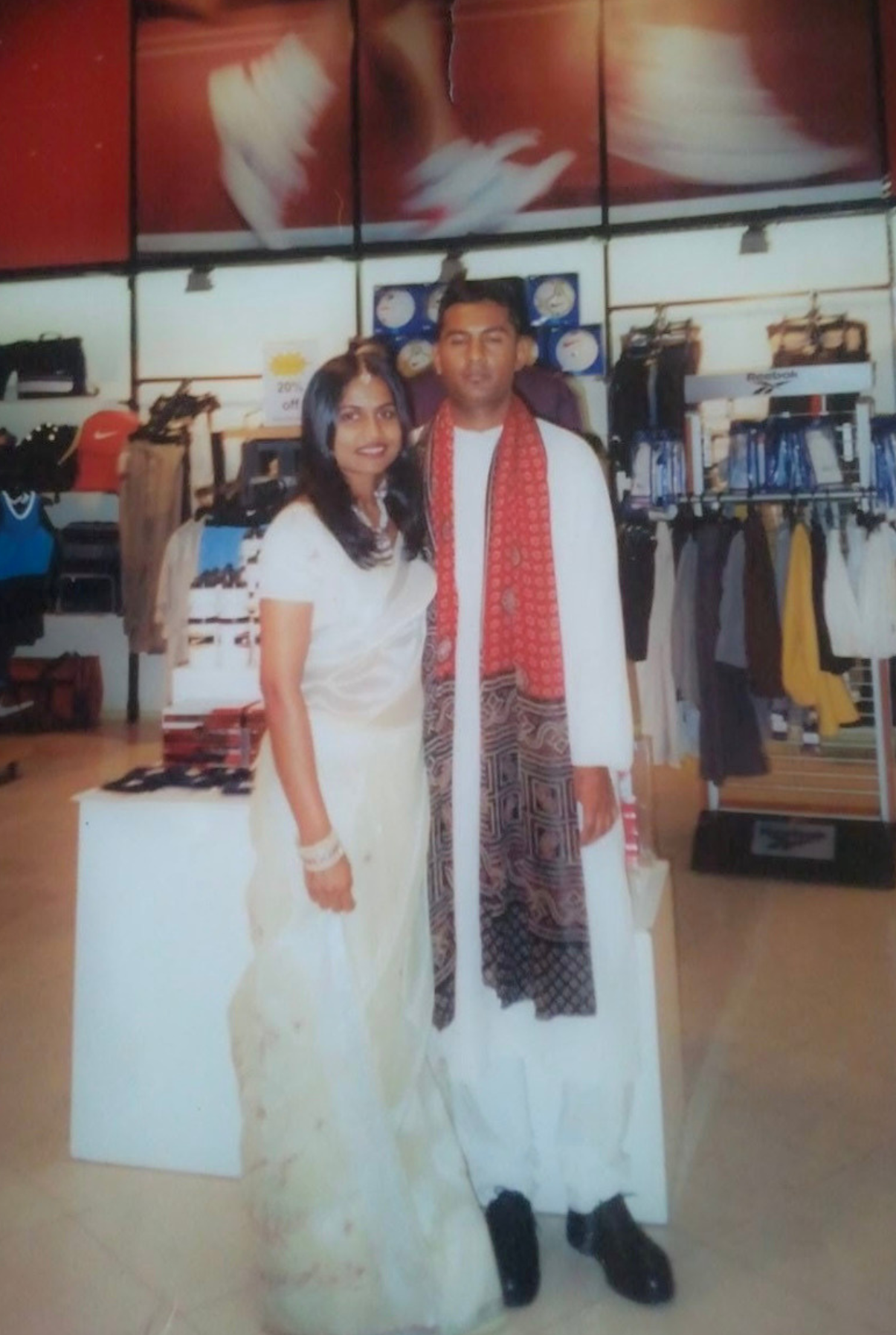
MANZIL 014: PARENTS IN THEIR YOUTH This is a picture I found of my parents around the time they first got married back in Fiji. - Pranav
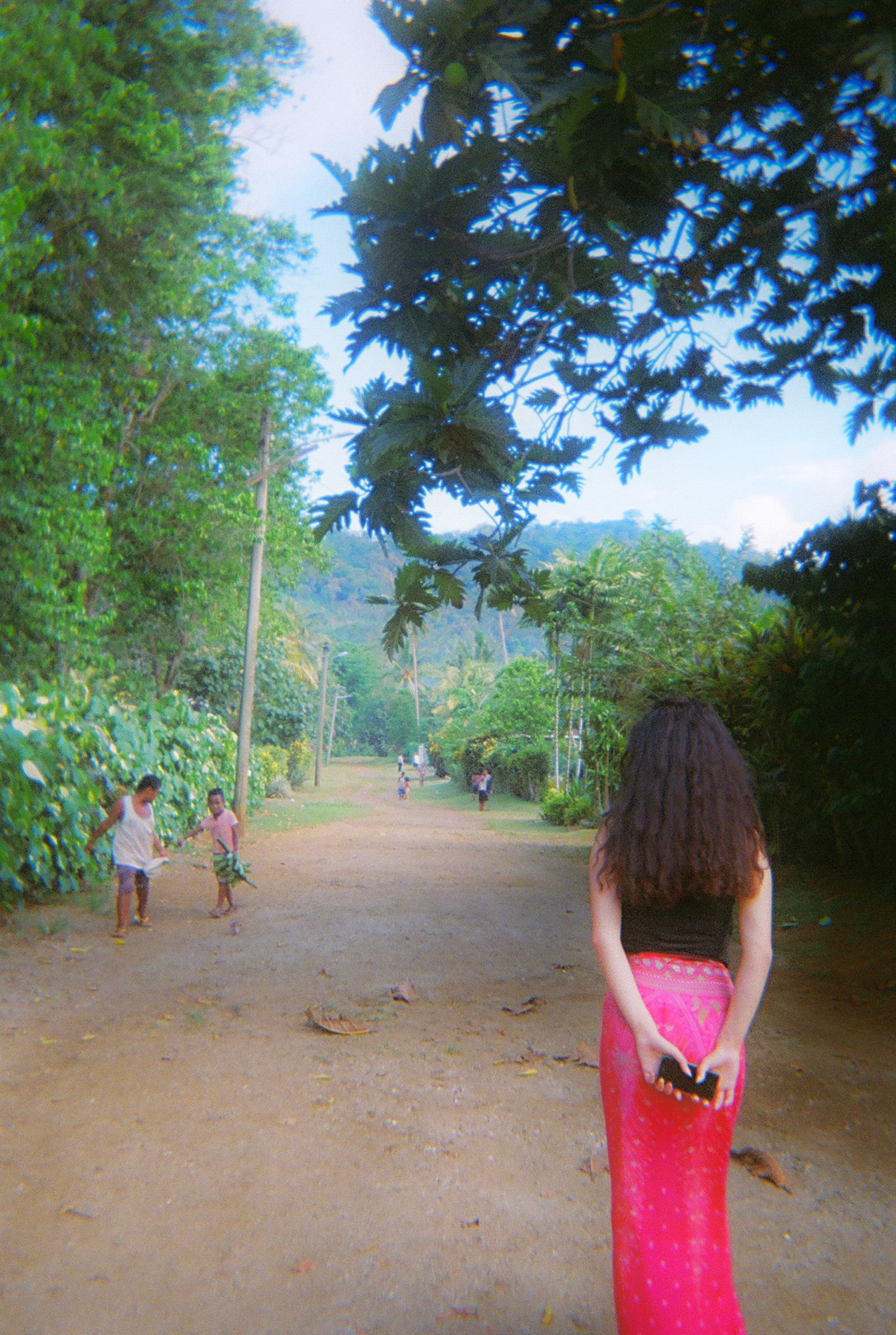
MANZIL 015: STOMPING GROUNDS I took this photo of my friend Ali back in 2023 when her and I visited my childhood home back in Samoa. This is the street I grew up in, my old stomping grounds. - Barbara
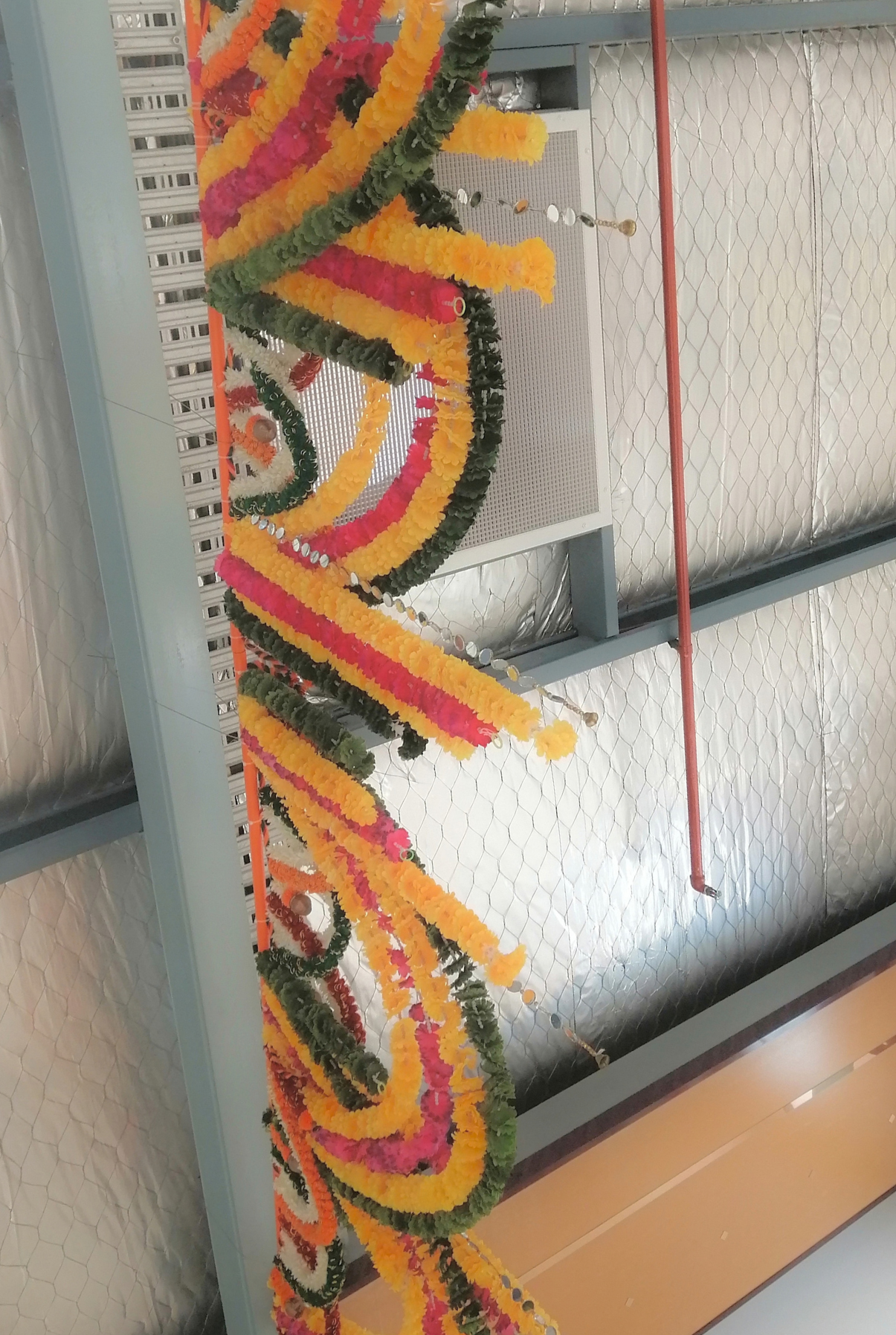
MANZIL 016: FAMILIAR Traditional garland decorations, something familiar, something warm and exciting, something from home. Spotted in Onehunga shopping center. When I noticed it I felt a rush of joy because it brought back so many memories. It made me feel seen and feel at 'home' even though I live so far away from it.
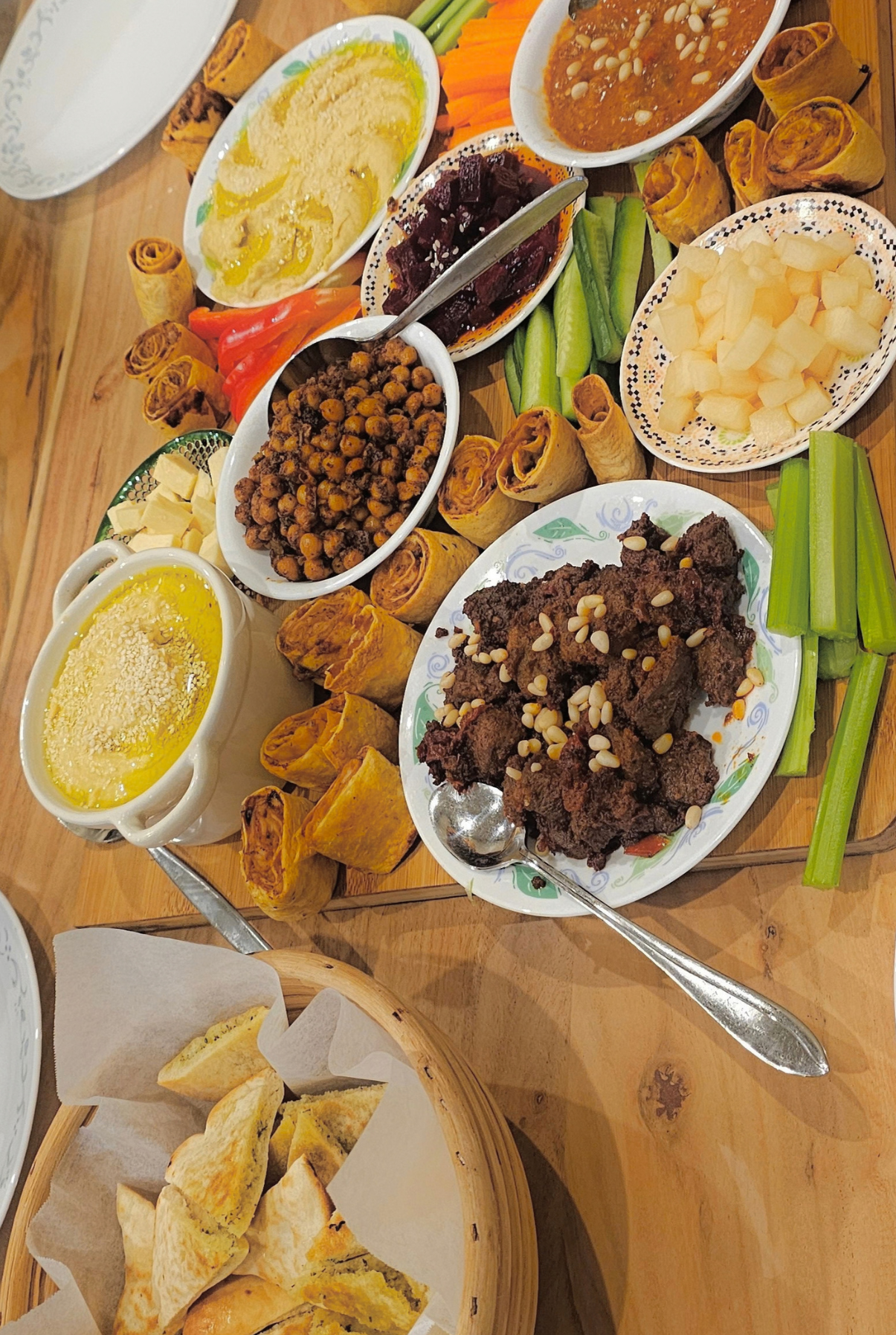
MANZIL 017: DASTARKWHAN The Dastarkhwan weaves together stories of cultures in a communal setting. In New Zealand we replicate this on the dinner table, bringing family closer together. Residing in Aotearoa, with lineage from Pakistan, this dastarkhwan explores various cuisine. Such a spread, all homemade and handmade with the best of ingredients, our household was appreciating the melting pot of cultures New Zealand truly is. - Nurul
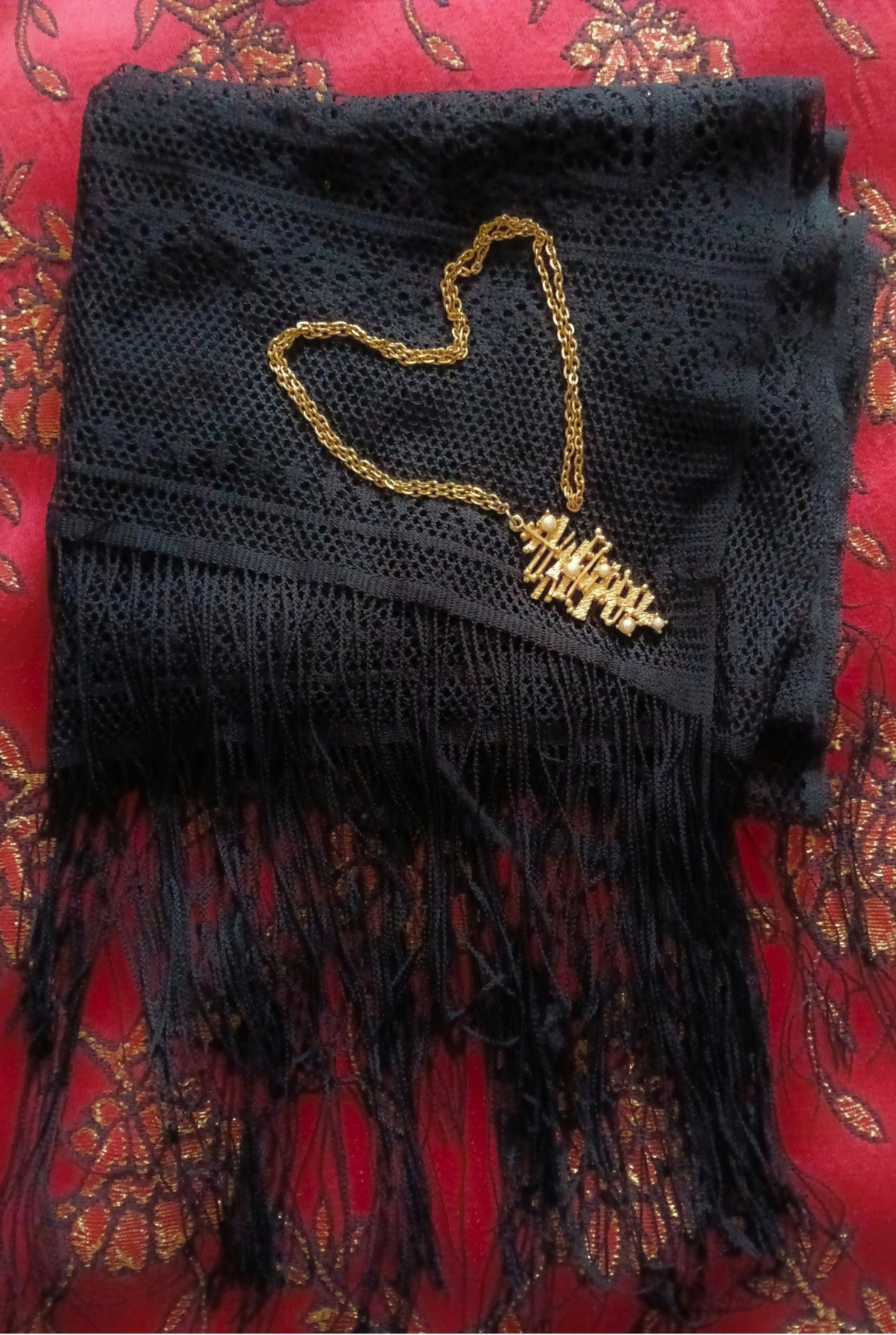
MANZIL 018: NANI'S SPECIAL GIFT When I turned 13 years of age my Naani gave me a netted scarf and a necklace. Her words were "I know this is very small but it's all I have." I kissed her and replied that it is the most special gift ever. 41 years later I still feel close to her even though she has passed away. I remember her struggles, her love, her kindness and her warmth. Our bond remains revived every time I look at this gift. - Waajidah
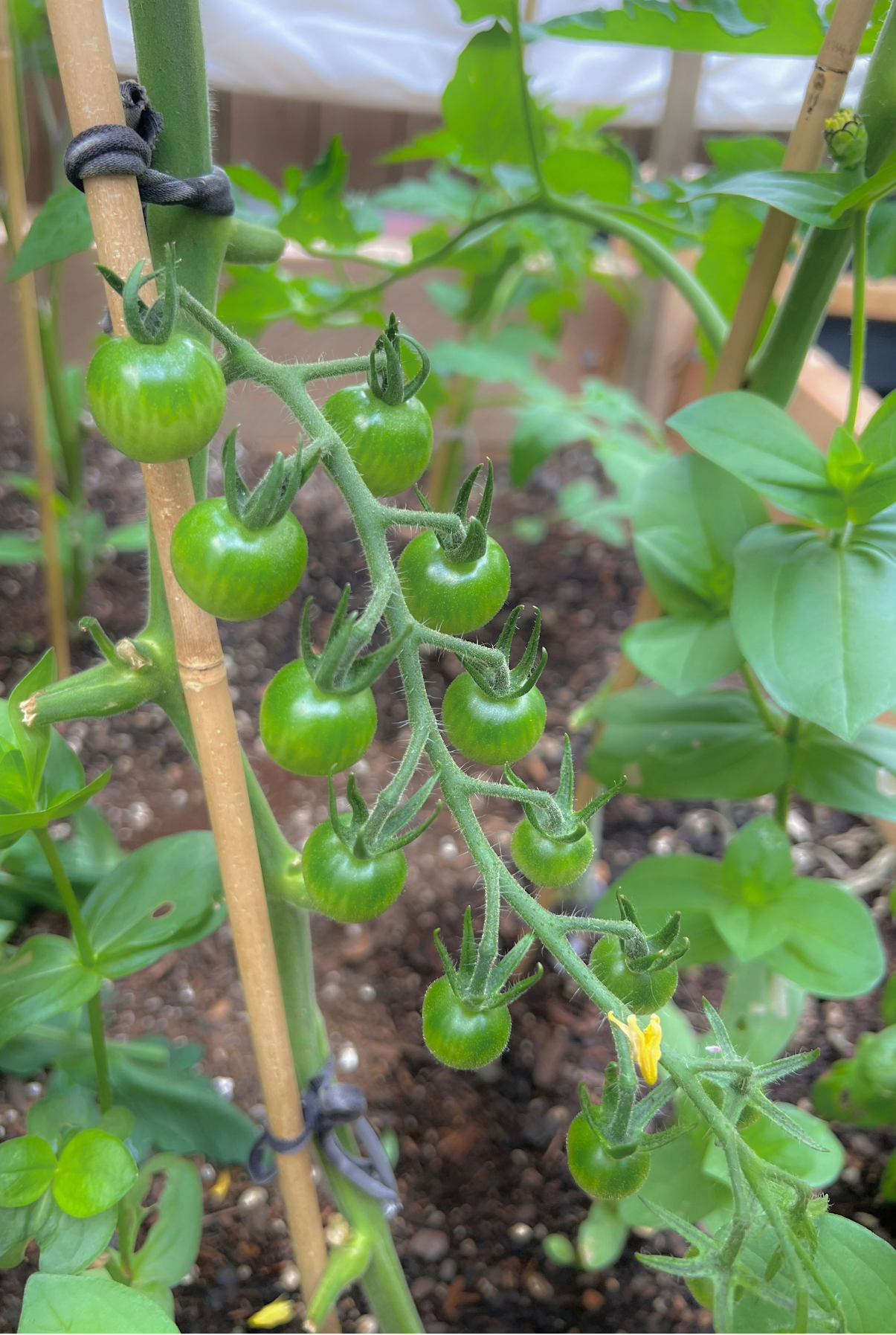
MANZIL 019: FIRST FRUIT Settling into your home, the first fruit is a precious milestone. -Yasmine
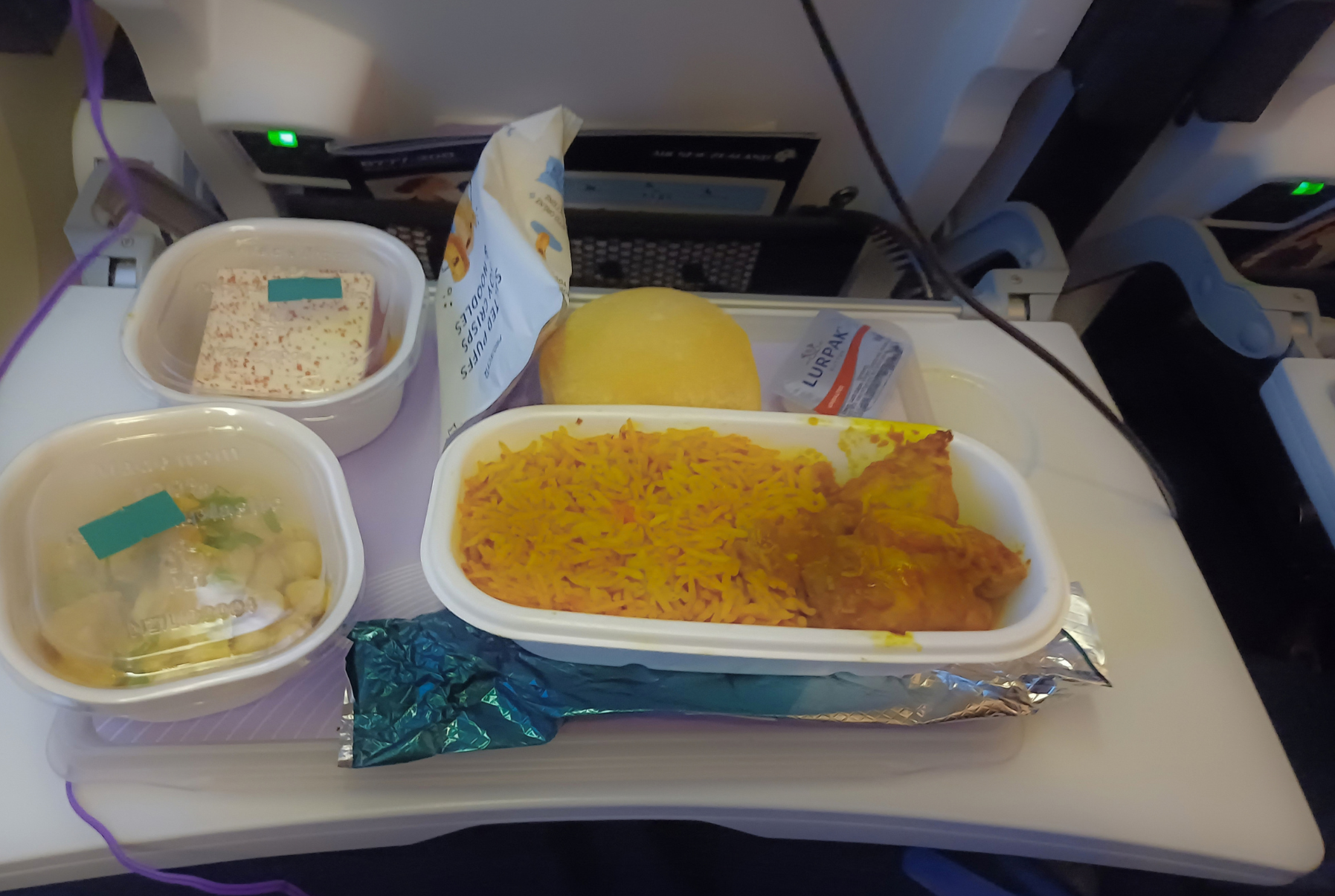
MANZIL 020: HOME BETWEEN LANDS I was coming back home to New Zealand from an overseas trip, and for dinner we received chicken biryani. It felt like home because it's my favourite traditional food. It was unexpected but made me feel like I belonged. - Rhea
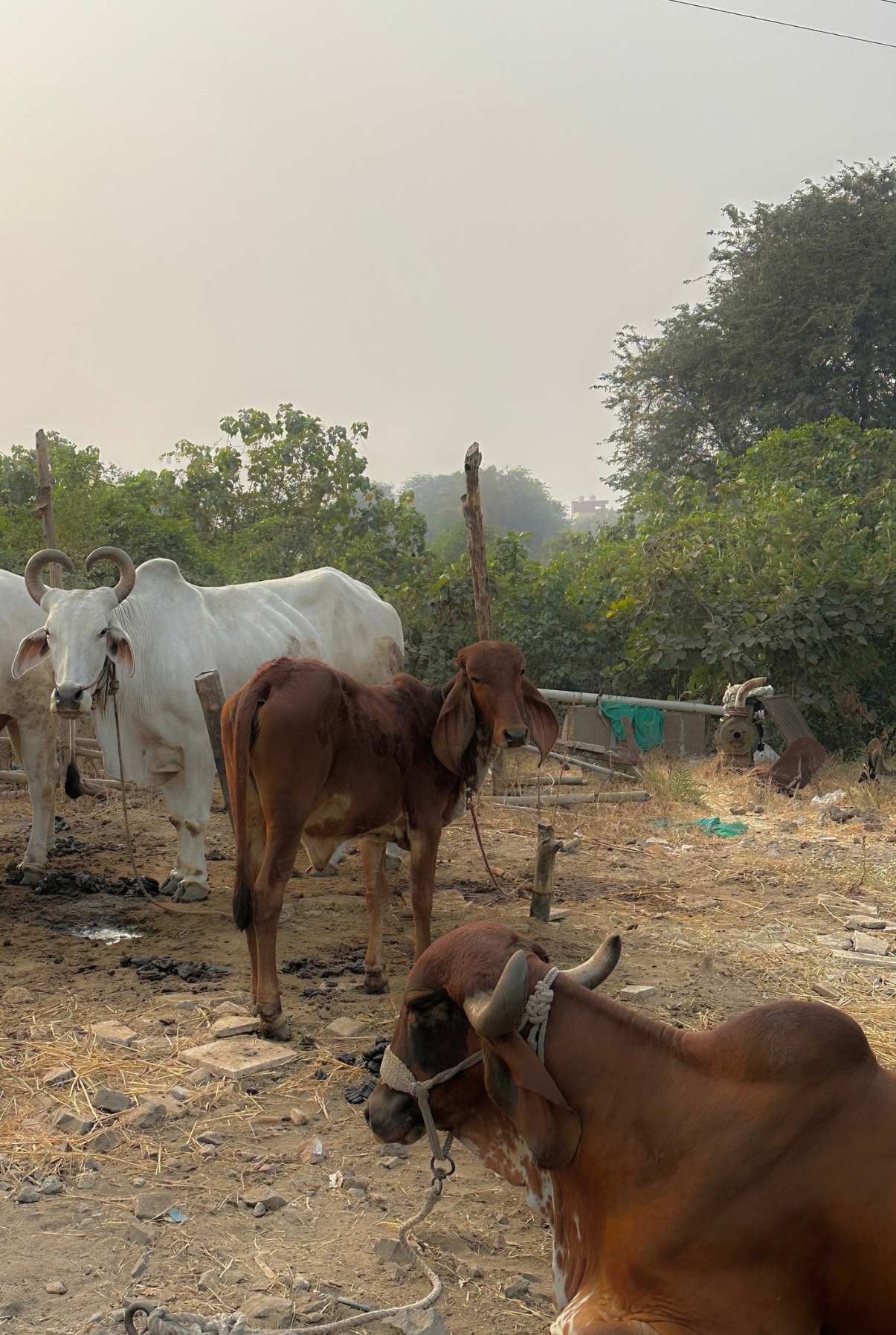
MANZIL 21: A GLIMPSE OF MY ROOTS This image reflects my roots in a village, capturing the simplicity, warmth and traditions of where I come from. It reminds me to stay connected to my roots and the values I grew up with. -Vidhi
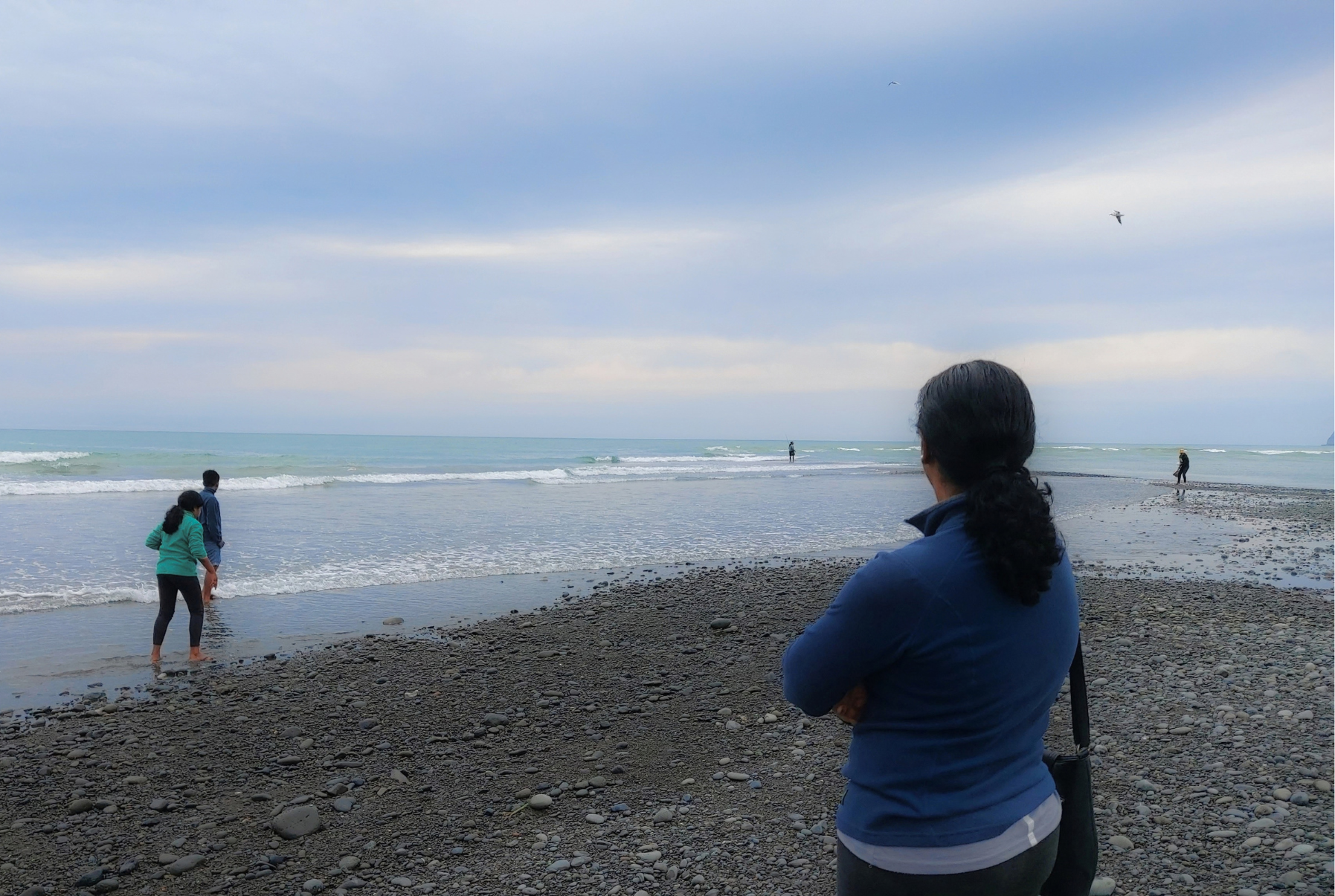
MANZIL 022: NATURE AND US Spending time at the beach has always been a favourite pastime for my children. Watching their endless and tireless play in the water amidst the beautiful waves provides a sense of serenity and peace. -Jayanthi
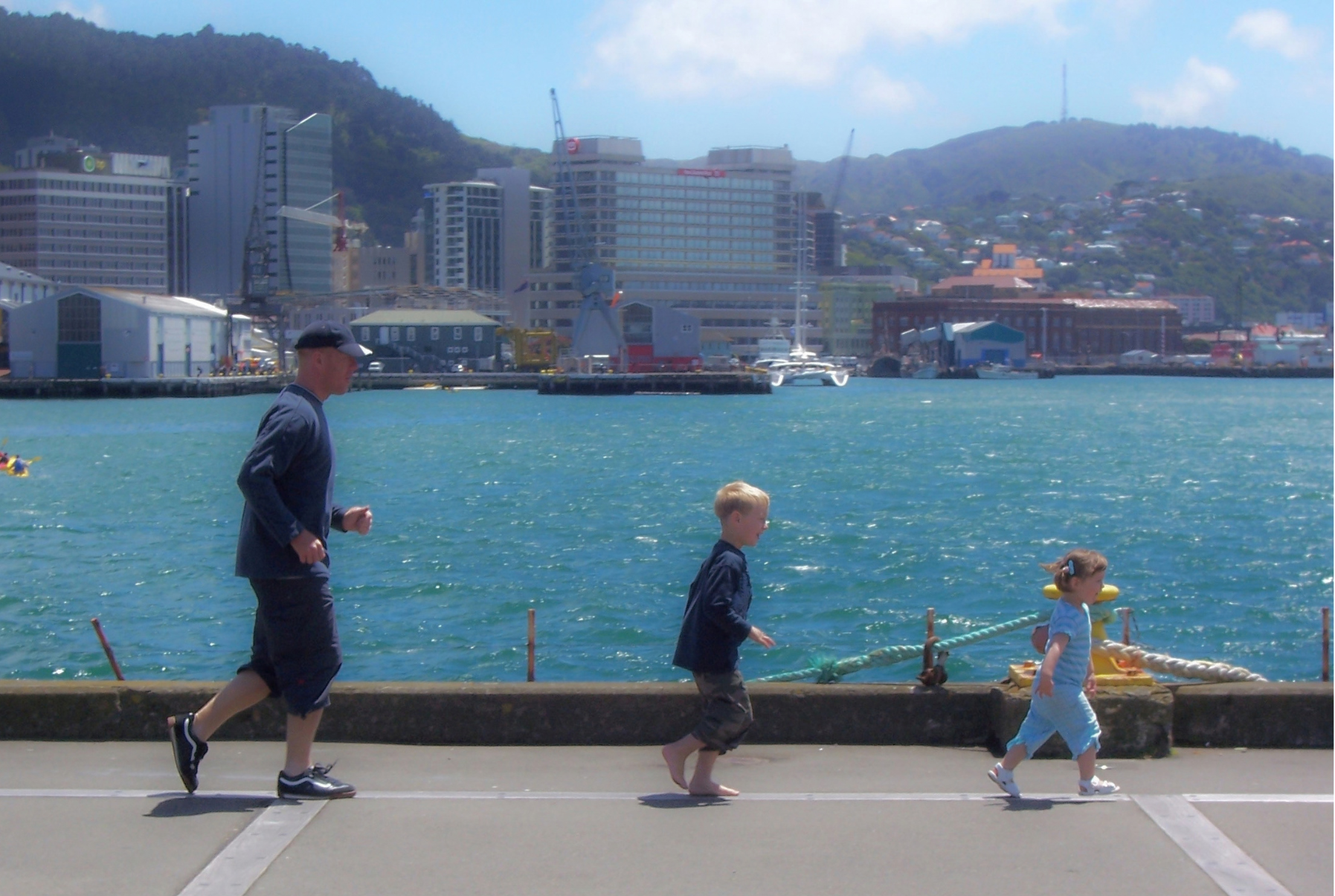
MANZIL 023: WHANAU It’s a childhood photo taken in Wellington of me and my family- with me being the little girl who’s leading the way. My mum is missing from this photo but she definitely was behind the camera capturing this moment. For me, my family is home. - Sophie
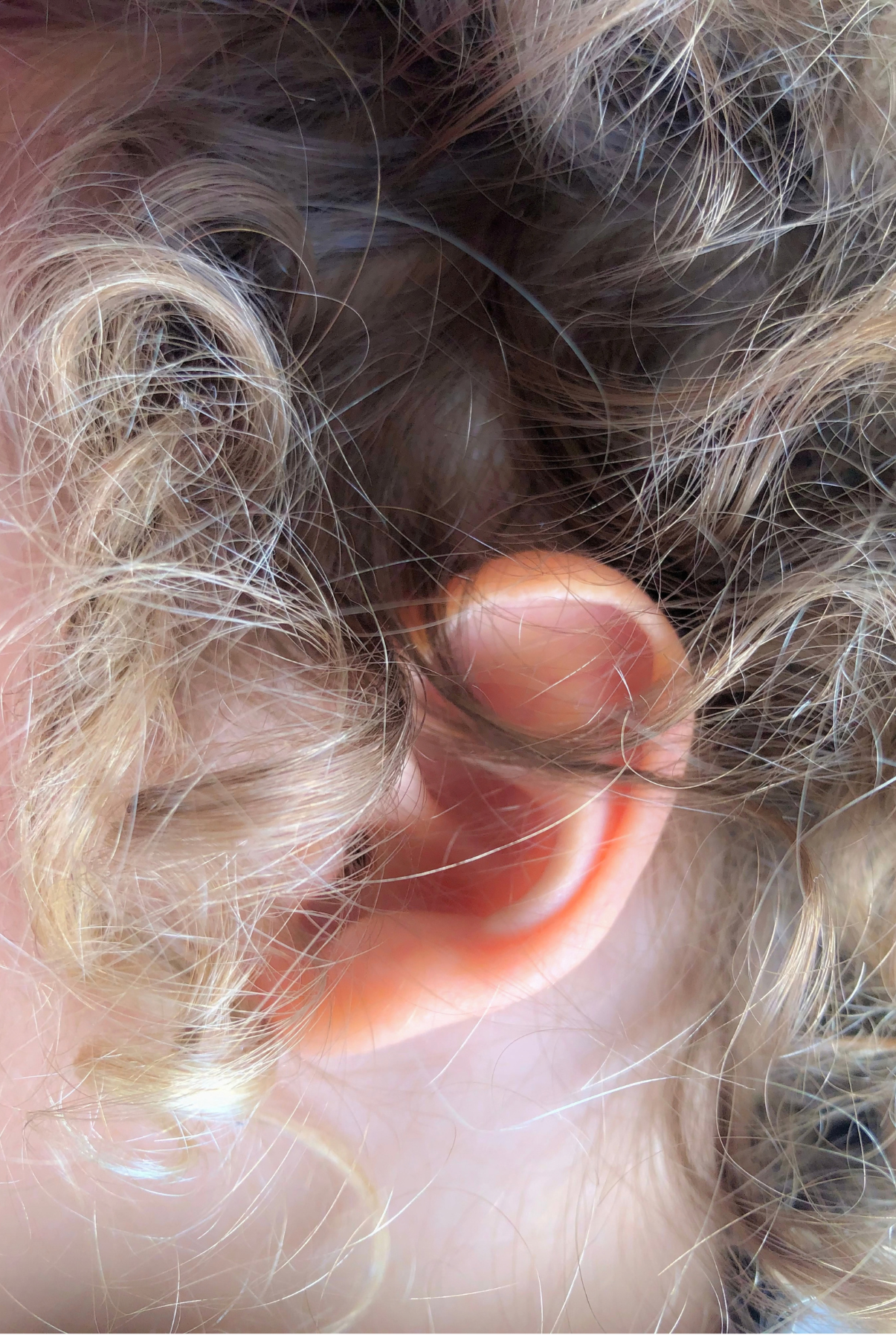
MANZIL 024: HOME IS IN MY BODY I've spent most of my life searching and yearning for a place to call home, feeling homesick for more than one place. As a child of the world, my heart is split in more ways than you can ever imagine. Though, I know with certainty, that my heart created their hearts, my body created their brain, bones and fingers, and nourished them through my belly button. My body was a home for them, and they are my home. This image is what I used to see as my son slumbered in my arms. I'd spend most the nap time in awe and wonder at his golden curls and tiny blue veins above his brow. He would lay across my soft stomach, where his life began. - Helenie
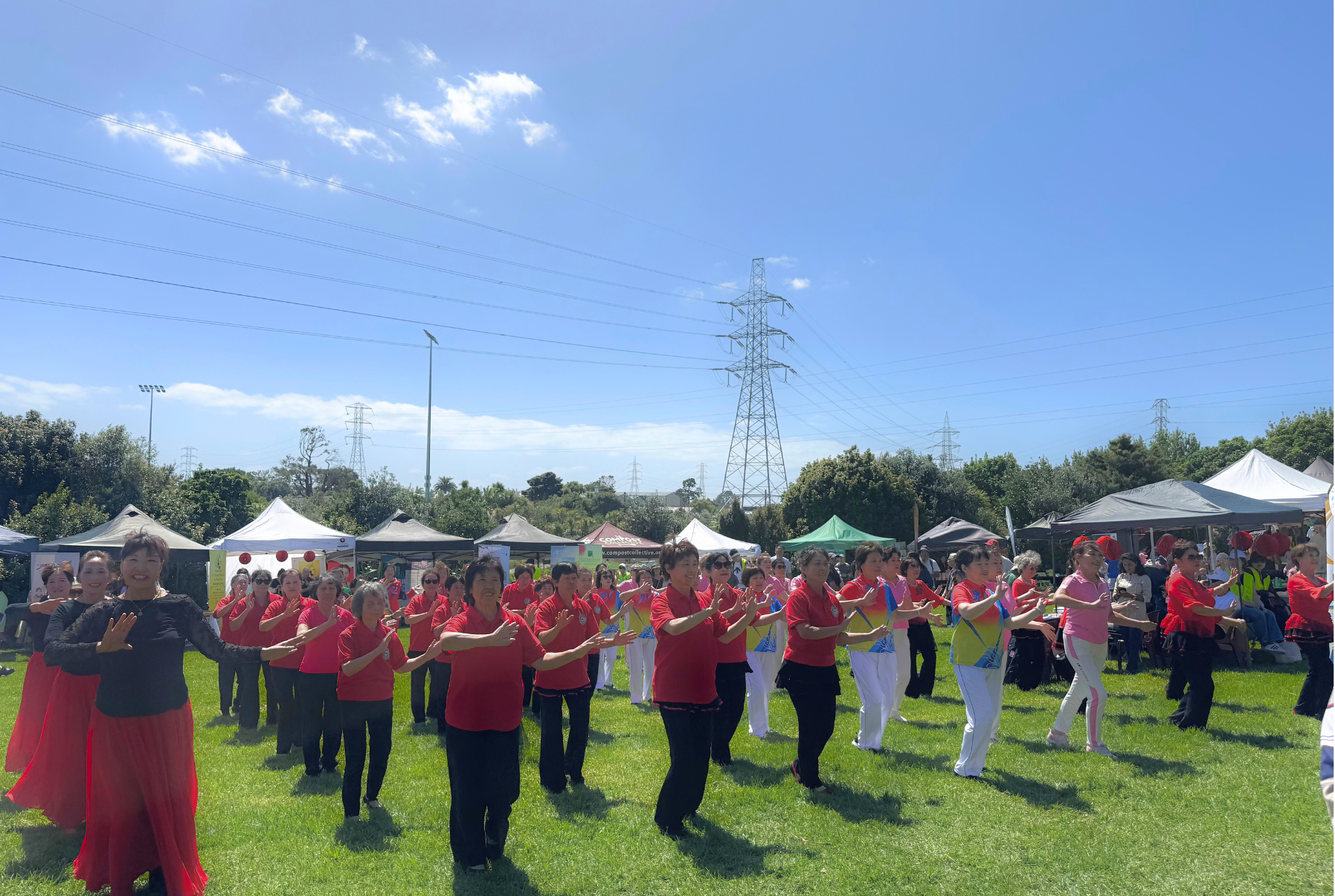
MANZIL 025: 100 PEOPLE SQUARE DANCE Chinese Community from SportHub Centre dance at Whau Chinese New Year Festival. More than 100 people dance at the same time in a square format. Celebrating the diversity, and culture. People smile, confidence, feel belonging, showcasing the diversity and strong community spirit of Whau. - David
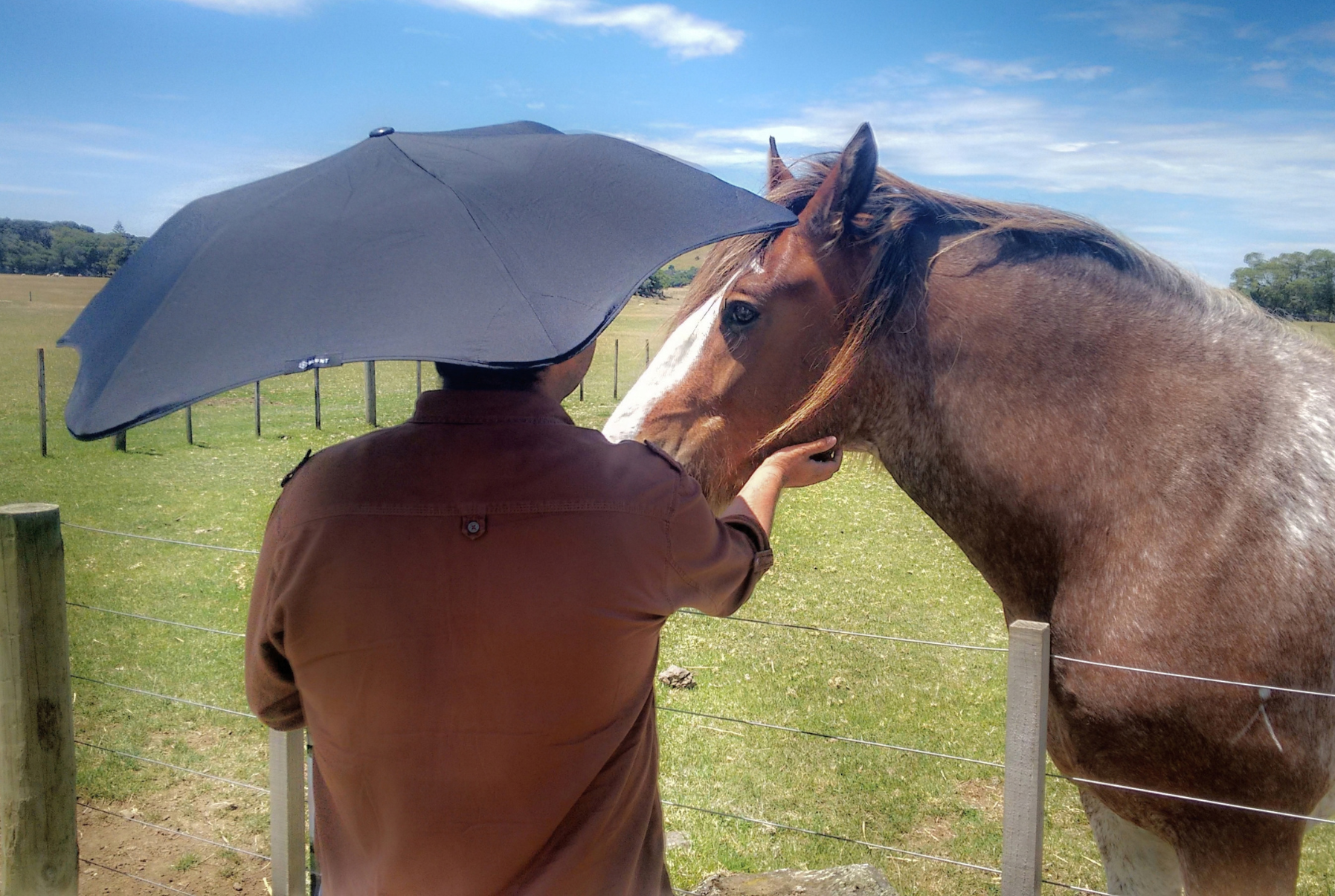
MANZIL 026: A GENTLE TOUCH On a journey, sometimes the most beautiful moments are the unexpected ones. My son stopped to connect with this gentle horse, creating a moment of trust and wonder along the way. - Jyoti
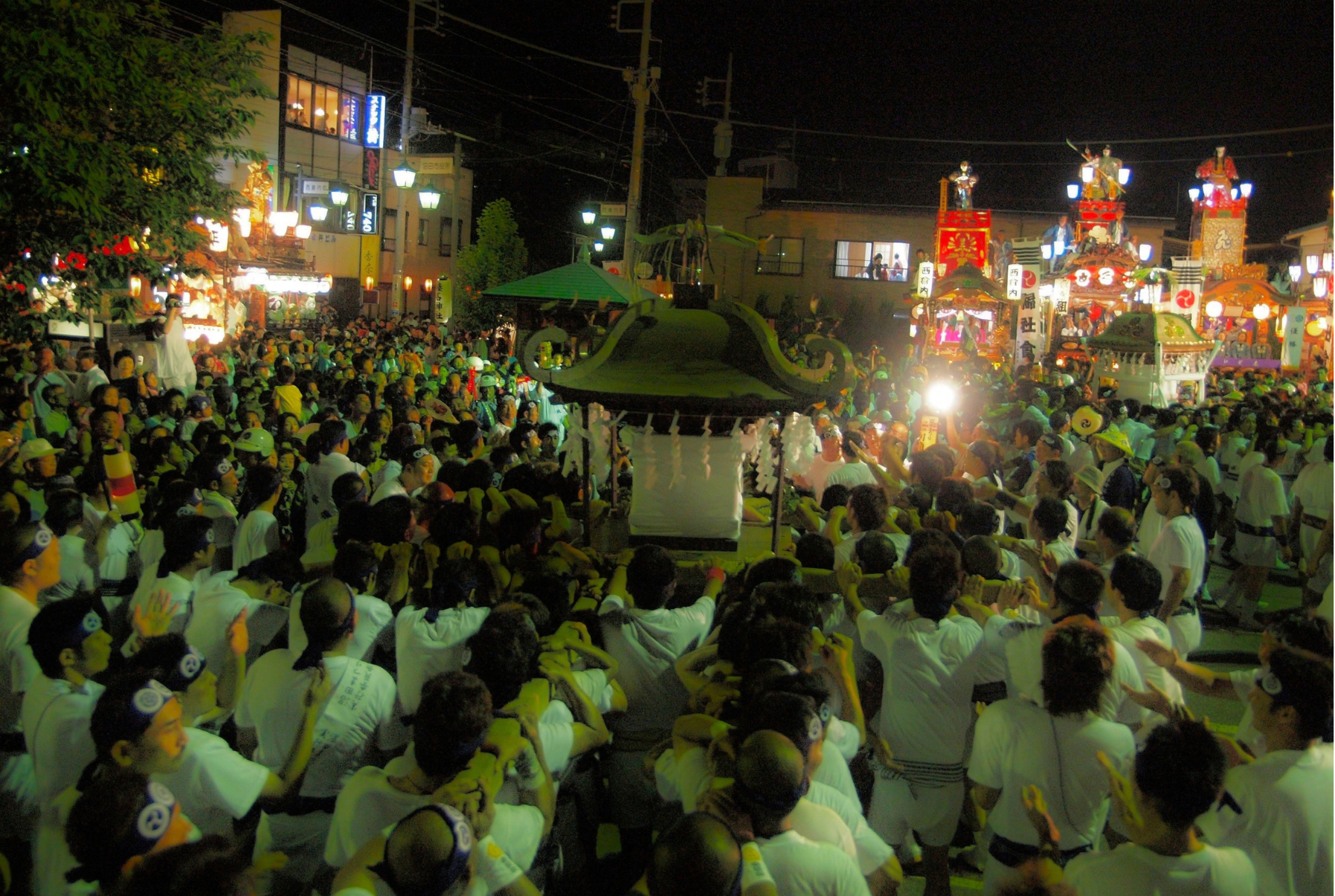
MANZIL 027: SOUNDS OF HOME This is the summer festival in my hometown in Japan, a tradition that has been passed down for hundreds of years. Every year, people of all ages come together to keep this tradition alive. What makes this festival special to me is not only its long history, but the pride each community takes in passing its traditions from one generation to the next. This is a tradition I hope will continue for many generations to come. For me, this is more than a festival. It is the sound, spirit, and memory of home. - Kumiko
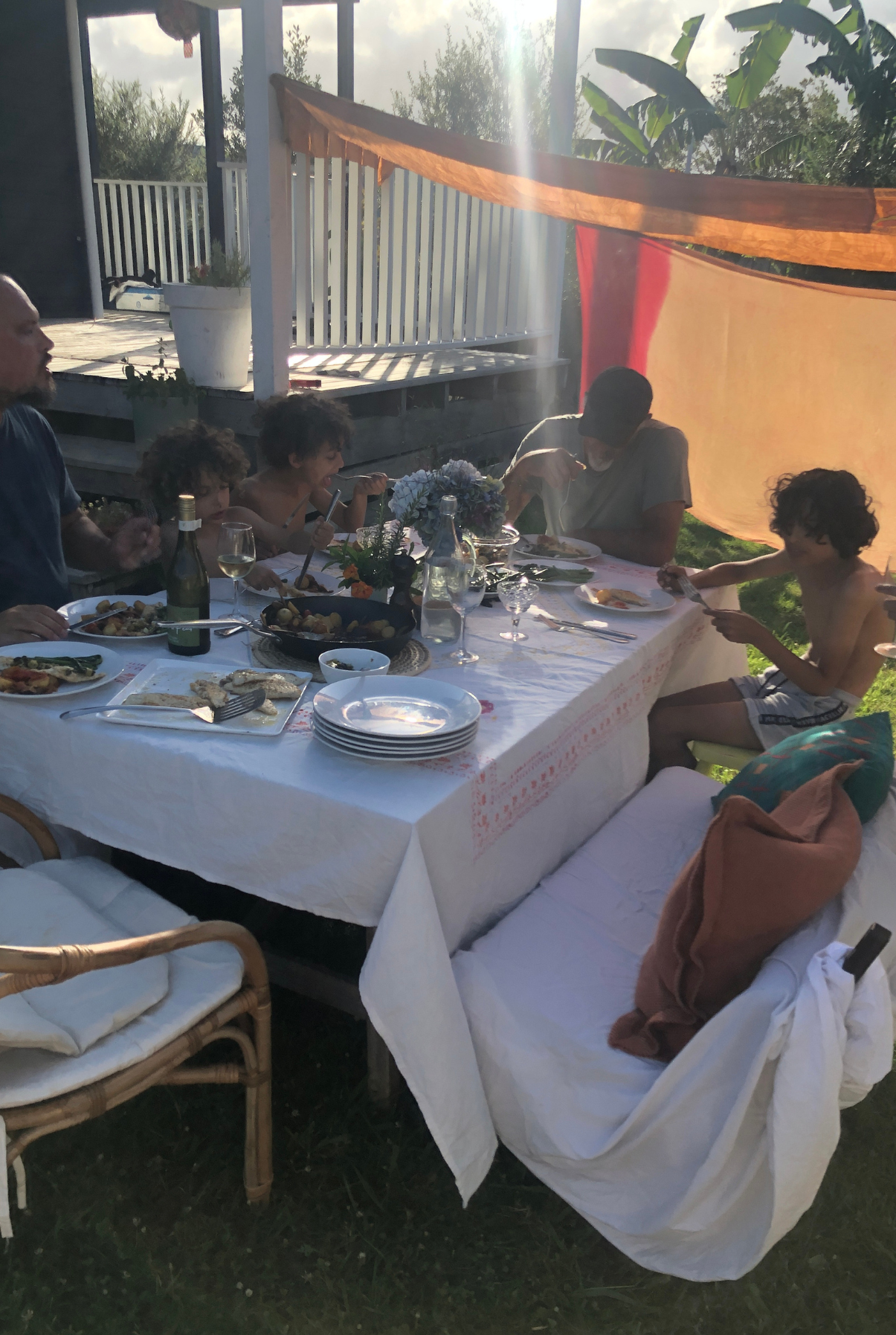
MANZIL 028: A BIG YUMMY FEAST Home is a warm place in my heart and a full tummy.
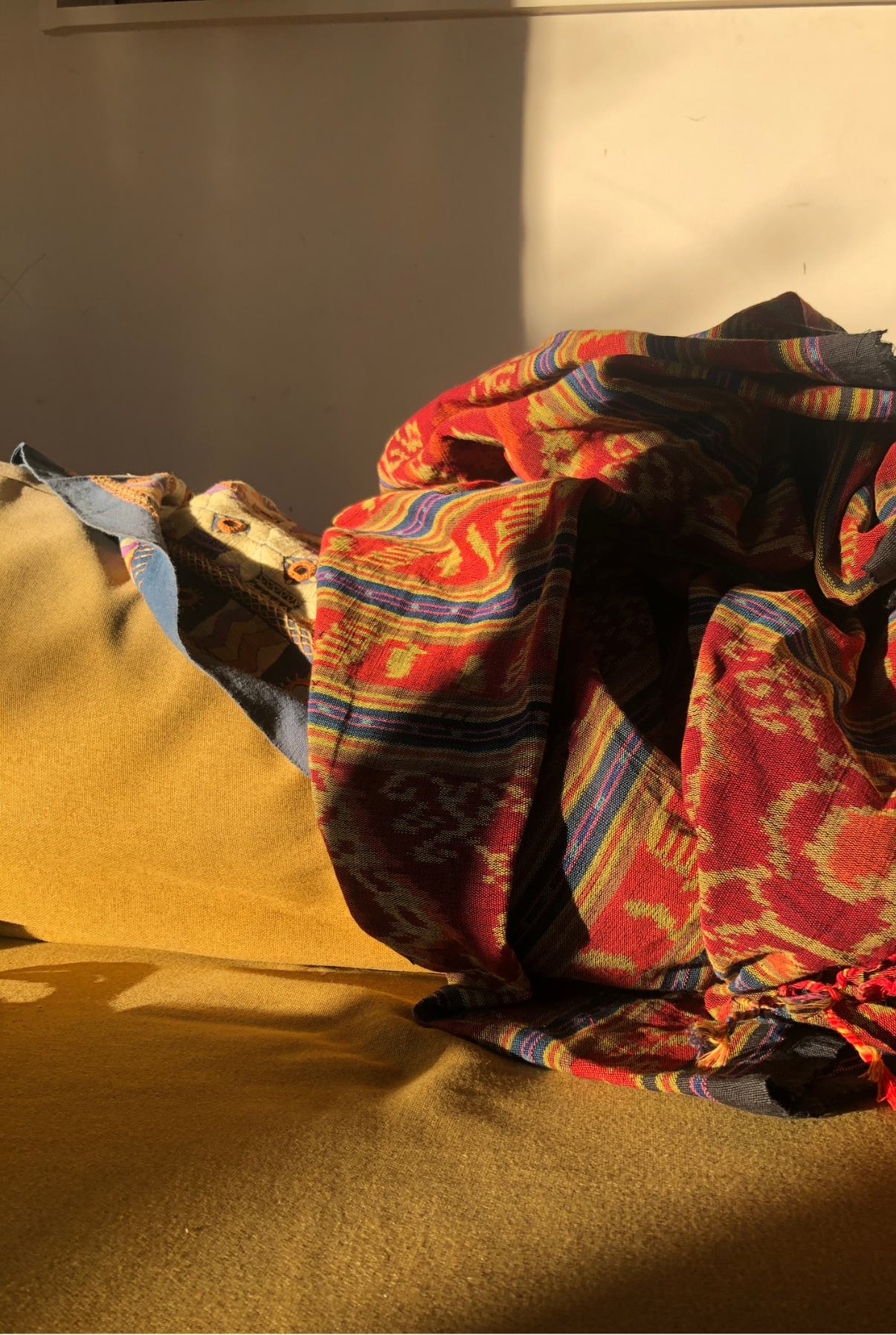
MANZIL 029: NEST It's a feeling of peace and safety, I can be myself.
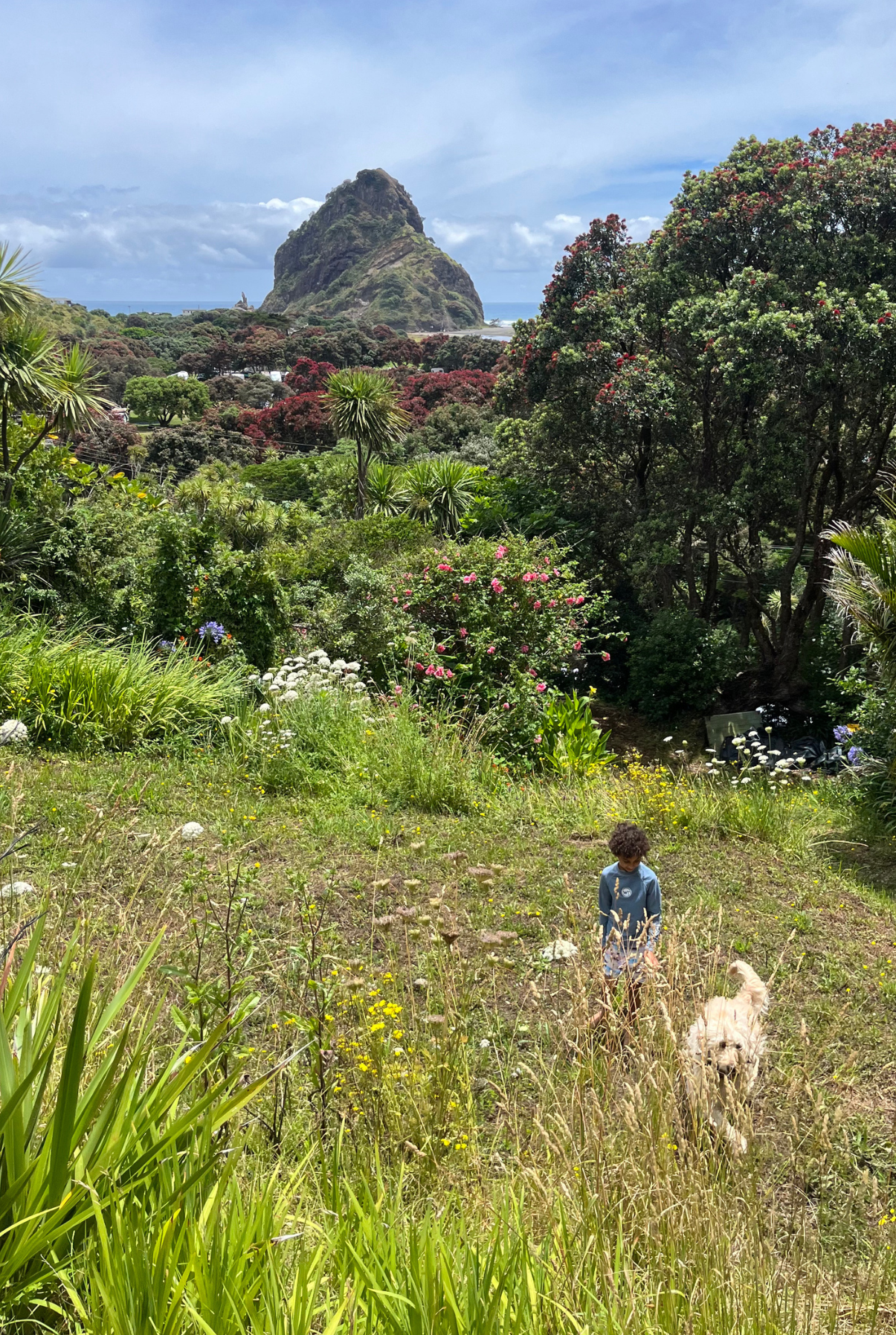
MANZIL 030: FREEDOM This picture was taken at our family friends land in Piha. It gives me a sense of freedom, that is what home feels like.
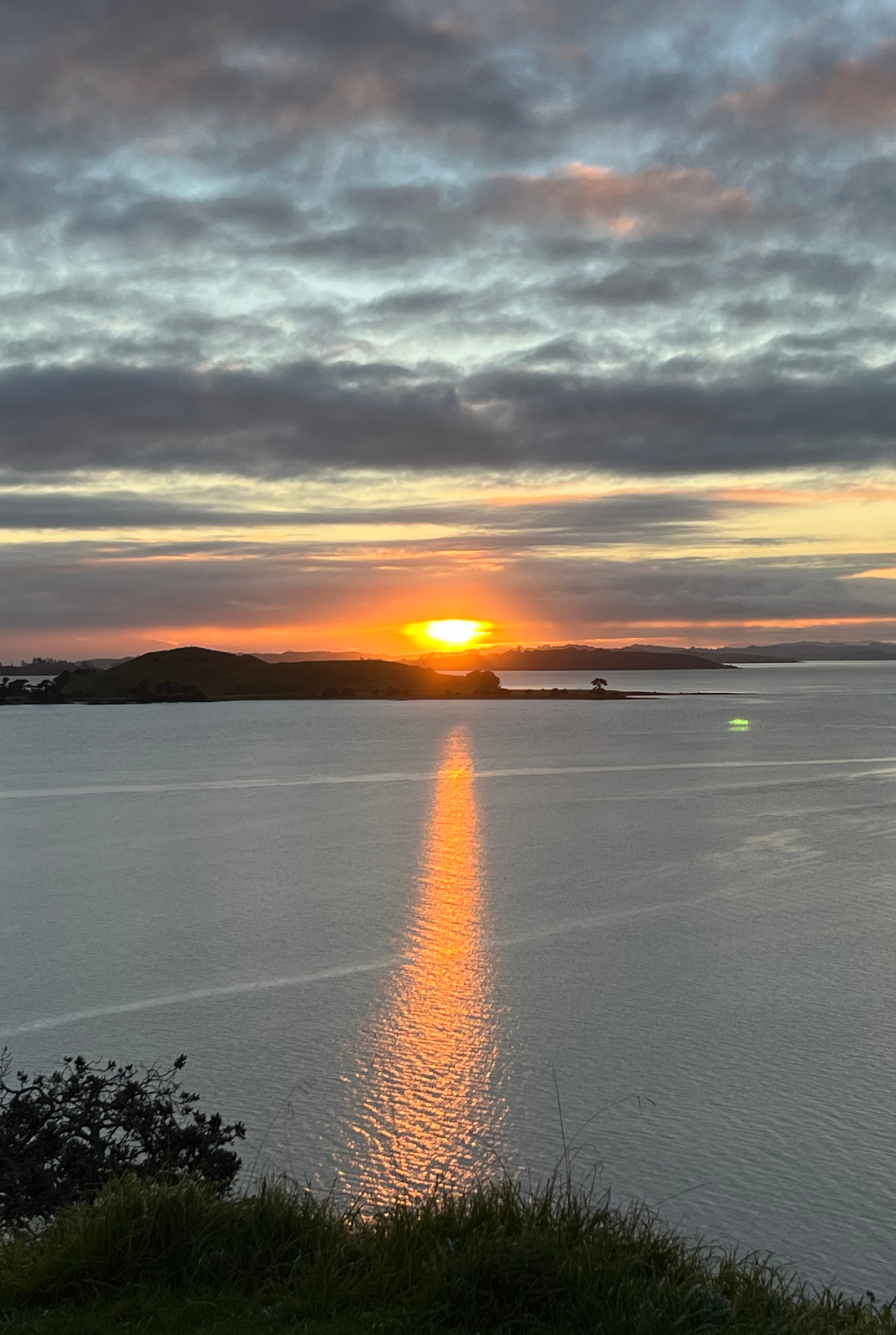
MANZIL 031: SUNRISE IS HOPE WHEREVER YOU ARE No matter where we are away from our original home countries , the sunrise is a sign that this is home and there is hope.
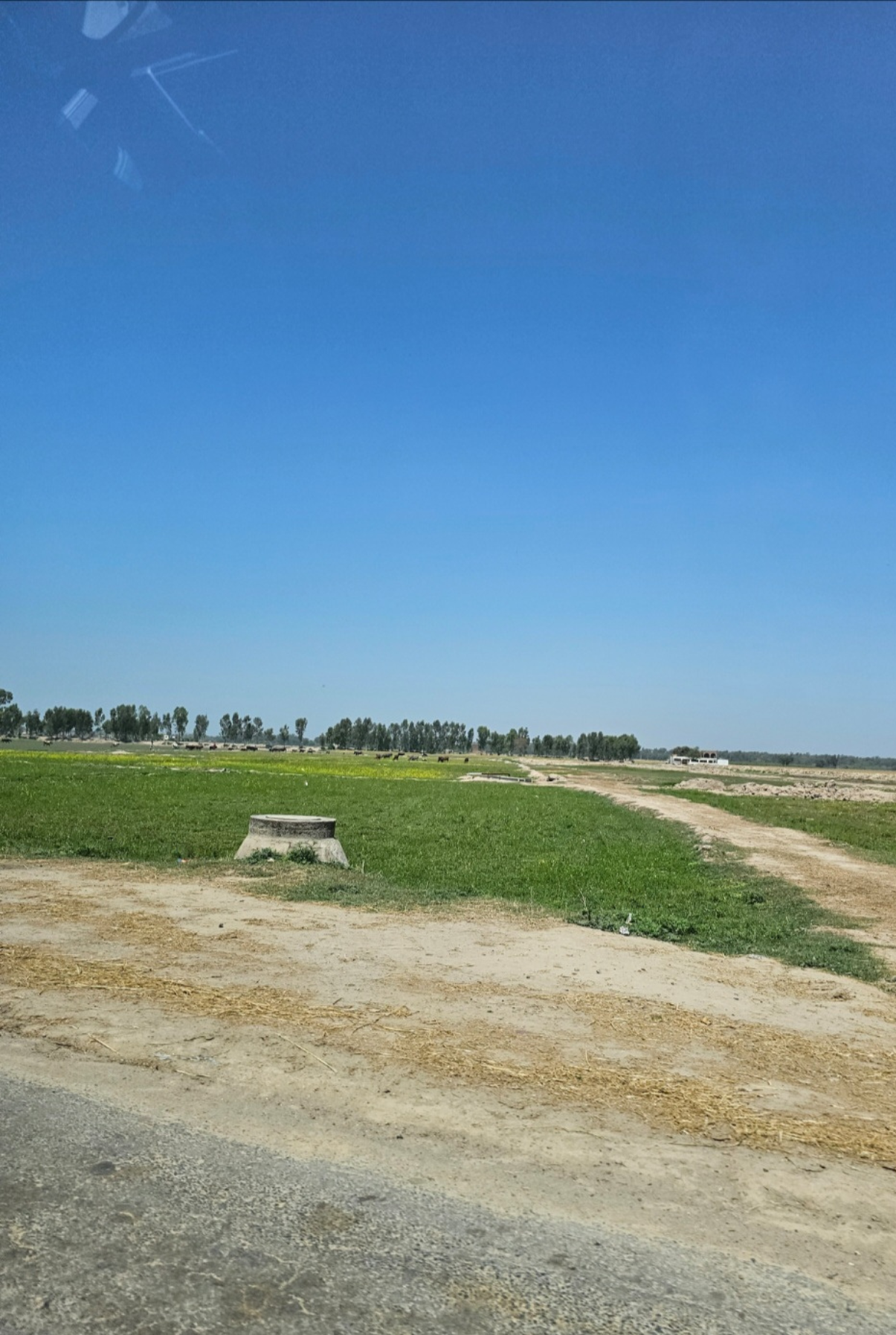
MANZIL O32: PAKISTAN Farms in Pakistan - Zara
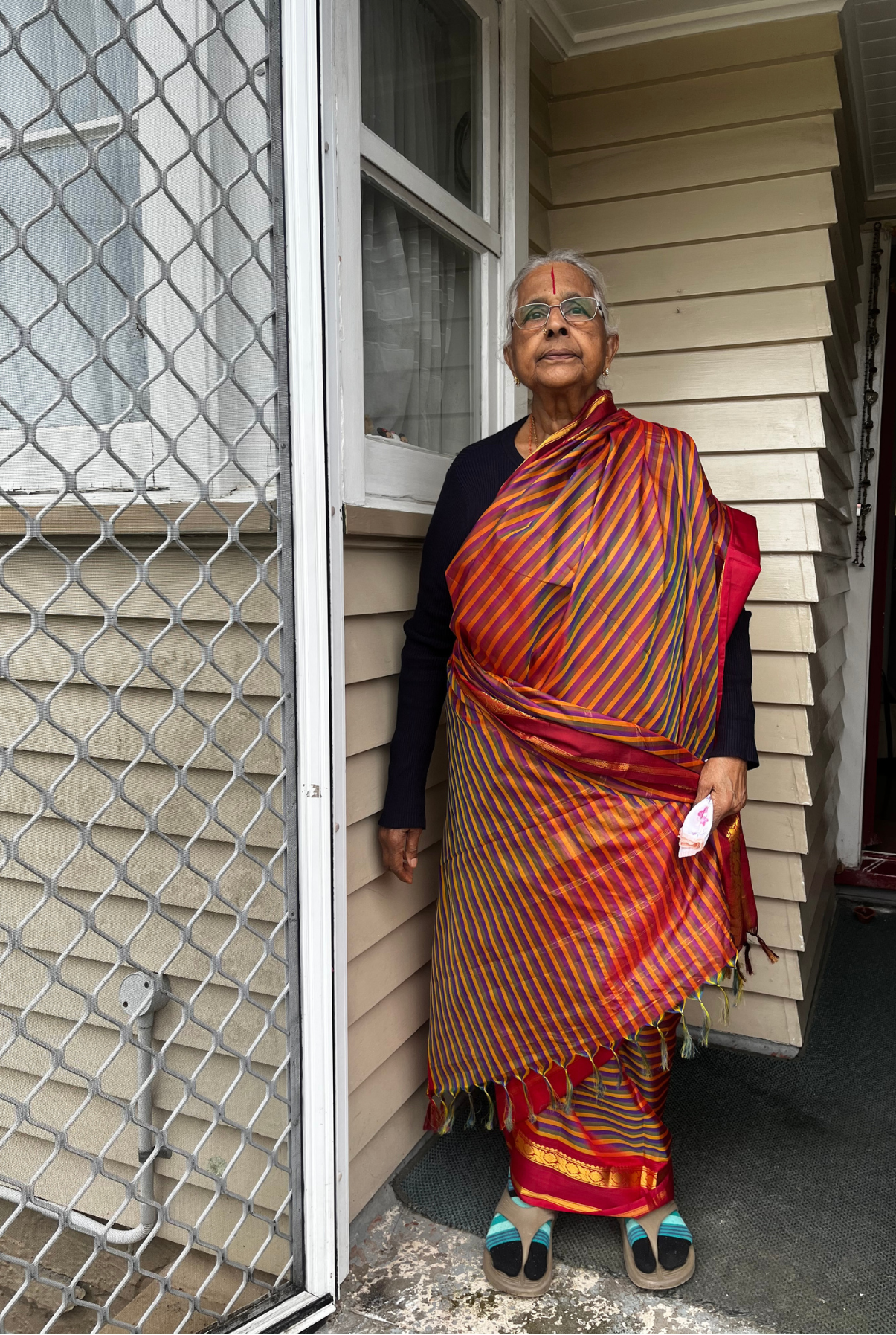
MANZIL 033: PATTI ALL DRESSED UP! My grandmother comes from a warm climate and she finds the winters here harsh. This was her preparing to head out in her grand sari since she finds it warm enough to do so now. - Anannya